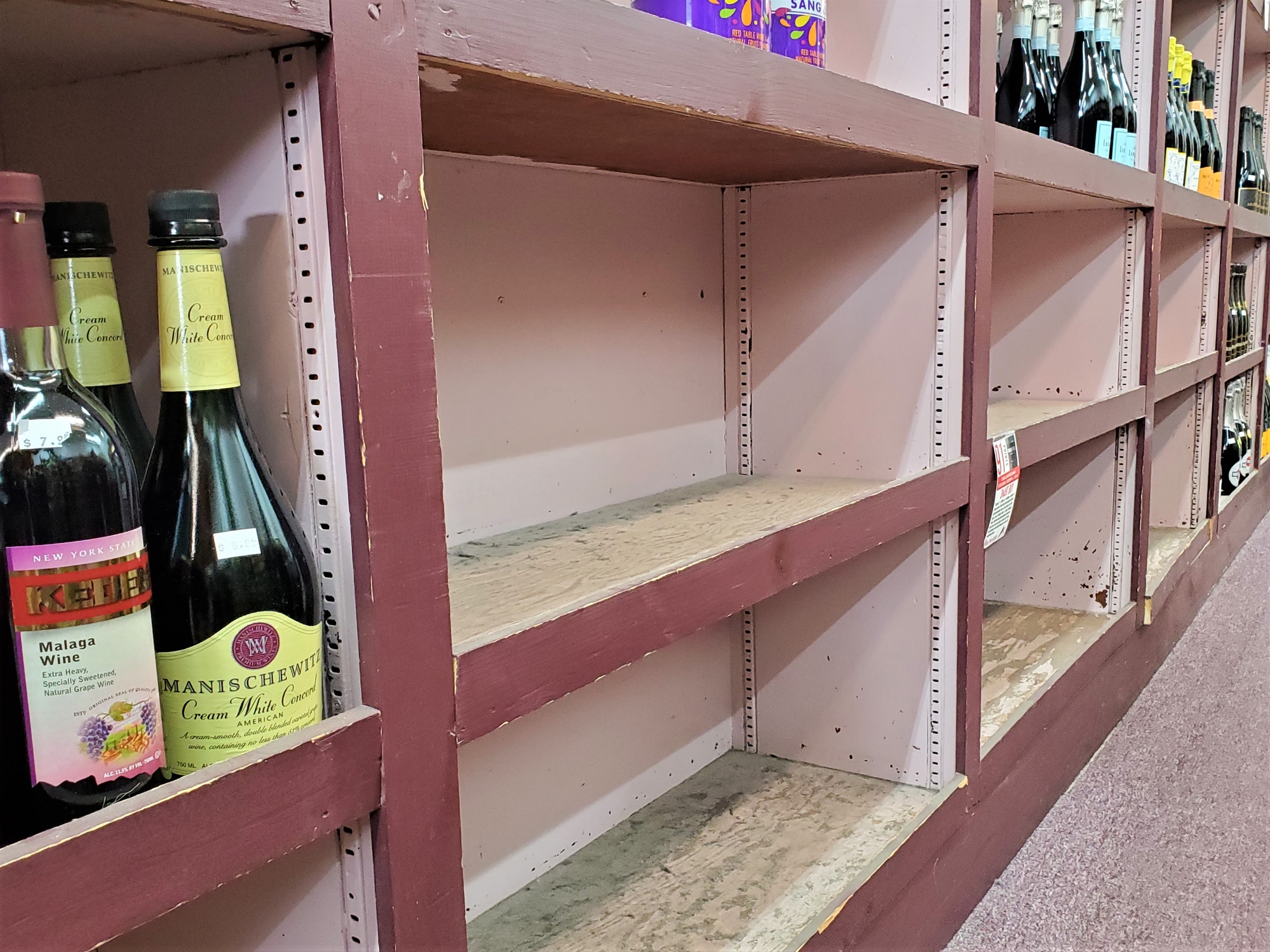
TOMS RIVER, NJ – At Wednesday’s township council meeting, Toms River officials said they did not know the name of the business that purchased the distribution liquor license, one of three licenses for sale recently.
Township officials said there were no bids on the plenary licenses after Governor Phil Murphy threatened to expand liquor consumption licenses in the state, which threatens to devalue existing licenses held by bars and restaurants.
The buyer has been revealed this week as MB Vineyards, an operator of a Kosher liquor store in Brooklyn, according to a report by the Asbury Park Press.
Related: Toms River Mayor Hill Has Fit of Road Rage in Front of Church at Political Opponent, Teen Son
The $1.6 million sale is part of the revenue bump forecasted by Mayor Maurice Hill’s 2023-2024 municipal budget. The record-breaking sale proved to be helpful in helping Hill balance this year’s increased budget.
Due to the township’s population growth, state law allows the town to add one more distribution license and two more restaurant-based license.
Typically these licenses sell for hundreds of thousands of dollars. Still, restauranteurs and bar owners are now playing the waiting game to see what changes Governor Murphy makes as he seeks to increase the number of liquor licenses in New Jersey vastly.
“Our current liquor license law is a relic of Prohibition New Jersey. We need a liquor license law for the Next New Jersey,” said Governor Murphy. “We need to face the simple reality that a liquor license is a game-changer. Current financial barriers prevent equitable access for small businesses and those in underserved communities while suppressing New Jersey’s economy. Our impending proposal will create an affordable, equitable path for the next generation of aspiring restauranteurs, brewers, distillers, and vintners, making them more competitive with small businesses in neighboring states while transforming our economies and our downtowns. Equally important, it will establish a tax credit to support existing license holders and it will maintain local control over the licensing process so that communities have a say in the future of their town.”
Liquor licenses face limited availability and exorbitant prices, as New Jersey’s current liquor license laws have come under scrutiny for stifling economic growth and hindering job creation. With the existing regulations allowing local governments to issue only one consumption liquor license for every 3,000 residents, the supply of licenses remains severely restricted, leading to inflated prices and barriers for aspiring business owners.
Prospective buyers seeking to obtain a liquor license are left with limited options, forced to either purchase licenses from existing holders on a secondary market – often commanding seven-figure prices – or participate in high-stake auctions conducted by municipalities. This status quo has created significant obstacles for entrepreneurs, particularly those looking to venture into the thriving food and beverage industry.
Statistical data from the 2019 U.S. Census and the NJ Division of Alcoholic Beverage Control reveals a stark contrast between New Jersey and its neighboring states. The Garden State lags behind New York in terms of restaurants per capita and falls behind both New York and Pennsylvania in the number of liquor licenses per capita. Furthermore, when it comes to breweries and distilleries, New Jersey has a meager presence, with less than a third of what its neighboring states boast. This disparity not only limits consumer options but also deprives the state of substantial economic gains.
Recognizing the need for change, the New Jersey Economic Development Authority has estimated that reforming the state’s liquor license system could have a profound impact on the economy. By introducing more accessible and flexible regulations, it is projected that New Jersey could witness up to $10 billion in new economic activity over the span of 10 years. Additionally, such reforms could potentially create over 10,000 jobs annually, providing much-needed employment opportunities for residents across the state.
Advocates for reform argue that a more relaxed and inclusive approach to liquor licensing would not only invigorate the restaurant and hospitality sectors but also foster the growth of the craft beer and spirits industry. By embracing a system that encourages entrepreneurship and competition, New Jersey could tap into its untapped potential, attracting both local and out-of-state investors seeking to capitalize on the state’s diverse and burgeoning culinary landscape.
 Ocean County News
Drunken Migrant Arrested for DWI in Ocean County
Shore News Network Police Blotter
 Breaking
 Community News
Plans for 450 Homes At Former Circus Liquors Revealed
Shore News Network