
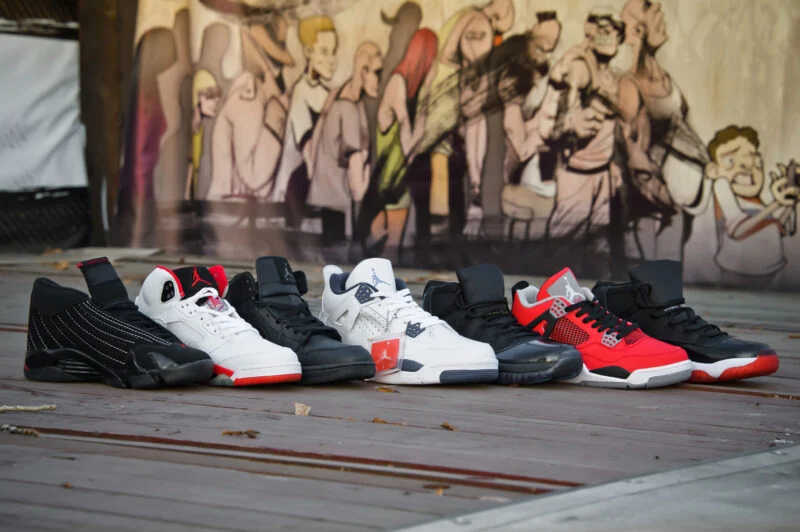
After years of explosive growth fueled by hype, exclusivity, and social media buzz, the U.S. sneaker market is facing a sharp downturn. Analysts and resellers alike are calling it a “crash,” as resale prices plummet and demand cools amid changing economic conditions and shifting consumer priorities.
This crash is hitting New Jersey retailers and resellers hard as high priced shoes are now competing with high energy bills, high medical insurance rates and increases in costs of living in New Jersey.
It’s only expected that the least necessary luxury items are taking a hit.
What’s Behind the Collapse
Oversaturation:
Major brands like Nike, Adidas, and New Balance ramped up production of once-limited models, flooding the market with sneakers that used to sell out instantly. Popular releases such as Nike Dunk Lows — once prized for their scarcity — are now available at retail or even discounted prices.
Economic pressure:
Inflation and higher living costs have left consumers with less disposable income for non-essential purchases. Shoppers are cutting back on expensive sneakers and opting for budget-friendly options or waiting for sales.
Yeezy fallout:
The abrupt end of Adidas’ partnership with Kanye West and the collapse of the Yeezy brand erased one of the sneaker market’s biggest drivers of hype, exclusivity, and resale value.
Loss of exclusivity:
Sneakers that once symbolized rarity and status are now widely available. The “drop culture” model that created scarcity and drove resale premiums has been diluted as brands chase higher production numbers.
How the Market Is Changing
Resale prices tumble:
Resale values for many sneakers have fallen dramatically, with fewer models selling above retail. Once-lucrative side hustles for sneaker resellers have become far less profitable.
Shrinking margins:
Platforms like StockX and GOAT have seen a decline in high-value sales, and many small resellers are struggling to move inventory without taking losses.
Shift in consumer demand:
Today’s buyers are focusing on comfort, practicality, and price over hype. Everyday models like the Nike Air Monarch, Adidas Samba, and New Balance 550 are seeing steady sales growth.
Industry adaptation:
Resale platforms are diversifying beyond sneakers to include collectibles, electronics, and apparel. Meanwhile, major brands are experimenting with tighter inventory control, new loyalty programs, and anti-bot measures to restore exclusivity and consumer trust.
The Bottom Line
The sneaker market isn’t disappearing — it’s maturing. What was once a speculative frenzy built on hype and scarcity is stabilizing into a more traditional retail landscape focused on accessibility, comfort, and sustainable demand.
For everyday sneaker fans, that means good news: you can finally buy the shoes you want, at retail, without camping out or paying a premium. For resellers and hype-chasers, however, the golden era of easy profits appears to be over.