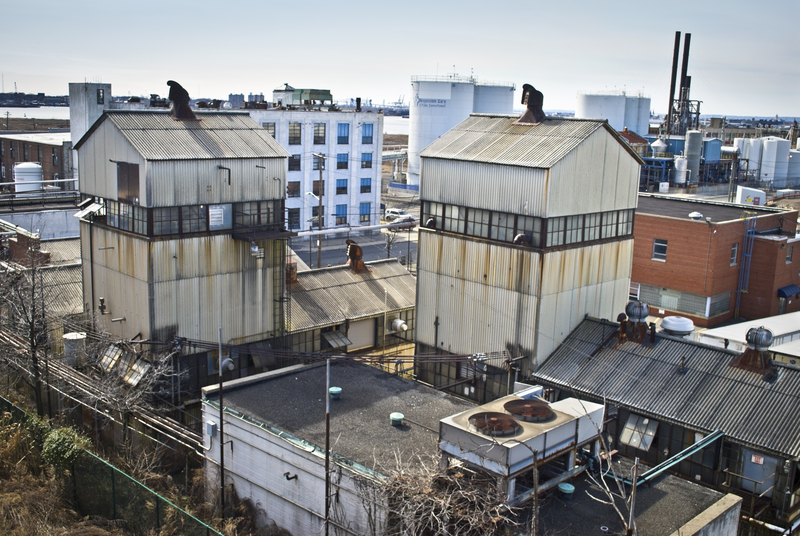
New Jersey, often called the “Garden State,” has a rich industrial history that has undergone significant transformations over the years. While the state is known for its thriving pharmaceutical, telecommunications, and other sectors today, it once had industries that were integral to its economy and identity but have since waned or disappeared. Let’s take a journey back in time and explore ten of these industries.
New Jersey was once a manufacturing powerhouse on the national and even global stage. Now, as technology, trends and consumer demands change over the decades and centuries, New Jersey has evolved, maintaining its dominance in key markets relevant to today’s economy and market demands.
But, it wasn’t always pharmaceuticals and technology. Here are some of the industries that laid the foundation for what New Jersey is today.
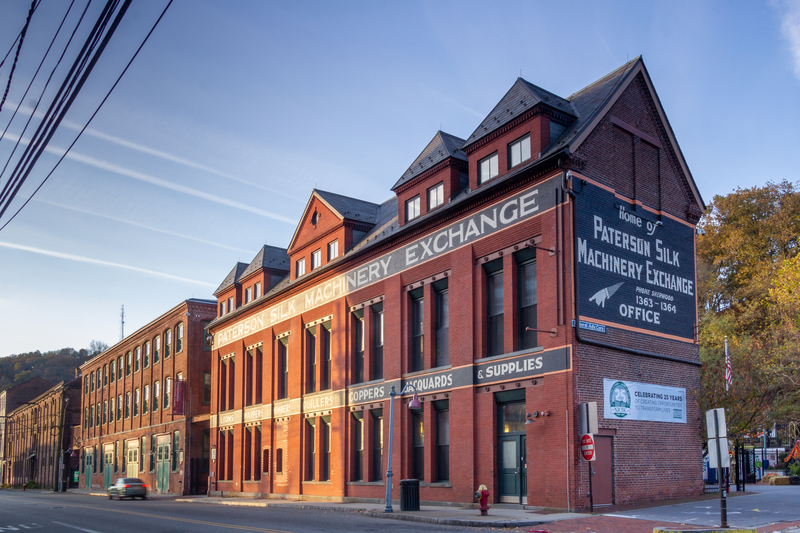
Silk Production: In the late 19th and early 20th centuries, Paterson was known as the “Silk City” due to its extensive silk production facilities. The city was a hub for silk mills and factories, but as production moved overseas, the industry faded.
Hat Manufacturing: Trenton and other areas of New Jersey were once major centers for hat manufacturing. However, changes in fashion and cheaper production methods elsewhere led to the industry’s decline by the mid-20th century.
Oyster Harvesting: The Delaware Bay was once a hotspot for oyster harvesting, making New Jersey one of the leading oyster producers in the nation. Overharvesting and disease significantly impacted the industry by the 20th century.
Iron Works: In the 18th and 19th centuries, New Jersey was home to numerous ironworks that produced everything from tools to cannonballs. The industry dwindled as better quality iron and steel became available from other sources.
Pottery and Ceramics: Trenton was a significant center for ceramics and pottery production. While some companies still operate today, the massive scale of production seen in the past has greatly diminished.
Leather Tanning: Newark was once a hub for leather production, especially patent leather. Over time, environmental concerns and overseas competition led to the industry’s decline.
Watchmaking: Companies like the Trenton Watch Company once made New Jersey a notable player in the watchmaking industry. Changes in technology and overseas competition gradually edged out local manufacturers.
Shipbuilding: During both World Wars, shipyards like the New York Shipbuilding Corporation in Camden built naval and merchant ships. As naval contracts dried up and cheaper shipbuilding options emerged abroad, the industry’s presence in New Jersey dwindled.
Glass Manufacturing: South Jersey, particularly Cumberland County, was a significant hub for glass production due to its abundant silica sand. While some artisanal glass studios remain, the large-scale industry has largely faded.
Agriculture: While farming remains a part of New Jersey’s identity, the scale and variety have shifted. Dairy farms, once a significant presence, have seen a notable decline. Many small family farms have also given way to urban development or larger agricultural enterprises.
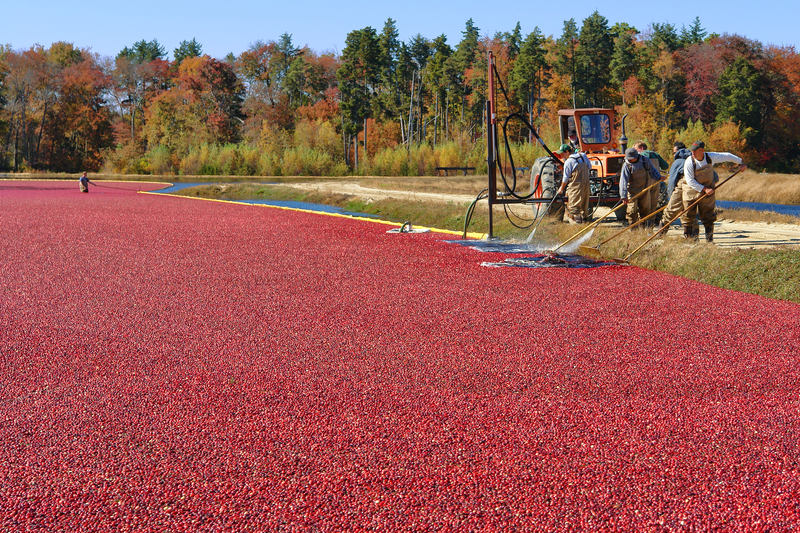
Cranberries: Cranberry farming was once one of the dominant crops of South Jersey. New Jersey was one of the country’s major cranberry producers which meant a lot more in the twentieth century than it does today.
Poultry Farming: South Jersey and the Jersey Shore were once major producers of chickens and eggs. Most of the state’s chicken coups have been raised and are now commercial centers and residential developments.
xNew Jersey’s industrial landscape has shifted dramatically over the years. While some industries have vanished or diminished, they’ve paved the way for new opportunities, innovations, and growth in other sectors. The constant evolution underscores the state’s adaptability and resilience, ensuring it remains a vital part of the American economy.