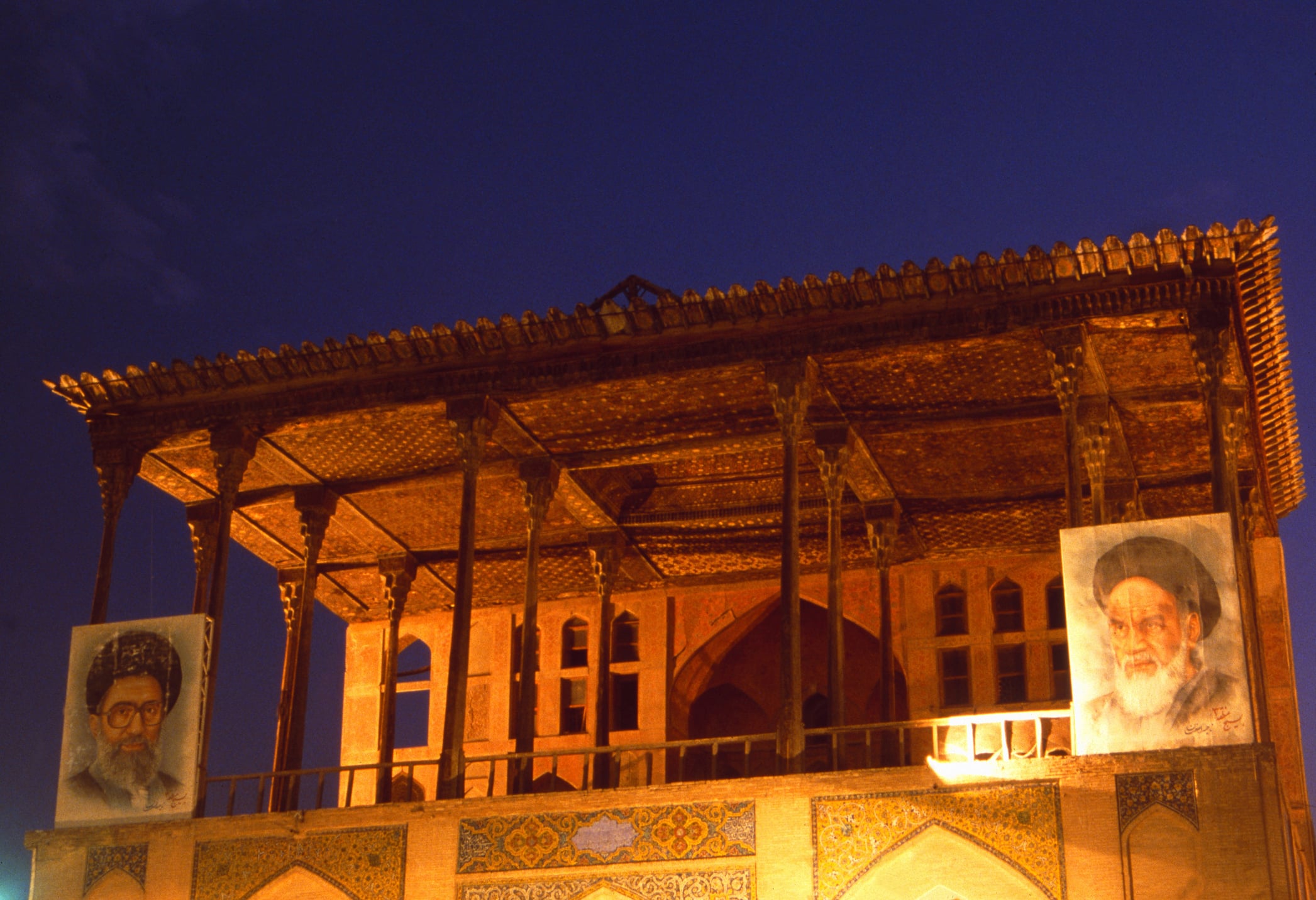
A federal judge has allowed an Iranian-born American journalist to proceed anonymously in a lawsuit accusing Iran of orchestrating threats, assaults and intimidation campaigns against him and his family.
A Washington, D.C., federal court has granted a request by an Iranian-born journalist to conceal his identity while pursuing a multimillion-dollar lawsuit against the Islamic Republic of Iran, citing allegations of ongoing threats, physical violence and retaliation linked to his reporting.
The plaintiff, identified in court records only as “Ocho Doe,” claims Iranian authorities and their proxies targeted him and his relatives because of his work as a journalist covering Iran for Voice of America and Iran International.
Key Points
• Federal judge approved anonymous filing in lawsuit against Iran
• Journalist alleges years of threats and multiple physical attacks
• Plaintiff seeks more than $50 million in damages under federal law
According to the complaint, Doe moved from Iran to the United States in 1999 and later became a naturalized American citizen.
Court filings state that he became a prominent voice covering Iranian affairs and opposition issues, work that allegedly drew the attention of the Iranian government and its affiliates.
Family allegedly targeted
The lawsuit alleges Iranian authorities retaliated against Doe through a campaign of intimidation directed at both him and his family members.
According to the complaint, relatives of the journalist were arrested in Iran, while threats were sent directly to Doe warning him about his reporting.
One alleged threat included photographs of Doe’s home and family members, according to court filings.
Journalist claims multiple attacks
The lawsuit further alleges that Iranian-linked operatives carried out three separate attacks against Doe.
Court records state that groups of assailants allegedly beat the journalist on multiple occasions. In one incident, the complaint alleges that he was cut with a knife.
Another attack reportedly left Doe in critical condition, according to the allegations presented to the court.
The claims have not yet been proven in court, and the litigation remains in its early stages.
Judge finds anonymity justified
In granting Doe’s request to proceed under a pseudonym, the court found that the allegations described a credible risk of future harm if the journalist’s identity were publicly disclosed.
The opinion notes that federal courts generally favor transparency and require litigants to identify themselves publicly. However, judges may allow anonymity when exceptional circumstances demonstrate a significant threat to a party or innocent third parties.
The court concluded that Doe’s allegations of death threats, violence and retaliation against family members weighed heavily in favor of protecting his identity.
“It seems plausible that attaching Doe’s name to these accusations would put him and his family in further danger,” the court wrote.
Lawsuit seeks damages from Iran
Doe is pursuing claims under the Foreign Sovereign Immunities Act, a federal law that allows certain lawsuits against foreign governments under limited circumstances.
The complaint seeks more than $50 million in damages and accuses Iran of using intimidation, violence and pressure tactics to silence critical journalism outside its borders.
The case will now move forward while the plaintiff continues litigating under a pseudonym.
 Police Blotter
31-year-old Maryland man found shot dead on Southern Avenue in Southeast DC
Shore News Network Police Blotter
12-year-old girl vanishes after last sighting at busy DC Metro station
Shore News Network Police Blotter
DC police seek suspect days after theft on I Street in Southeast DC
Shore News Network Police Blotter
72-year-old knocked to ground in Brooklyn subway attack
Shore News Network