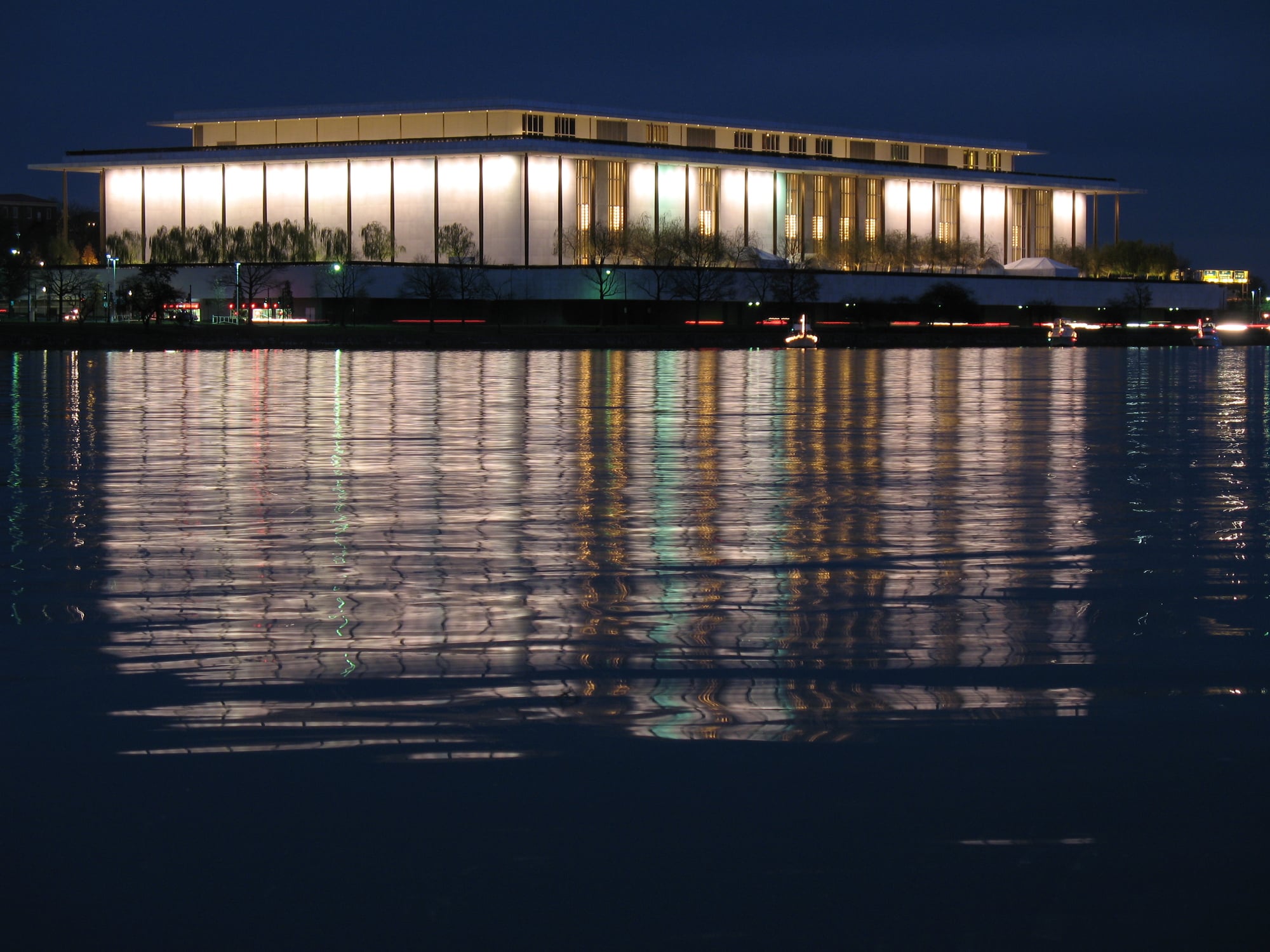
A federal judge declined to block a major renovation of the Kennedy Center, but warned that the legal fight could continue if the scope of the project expands beyond what officials have described.
A federal judge in Washington, D.C., has denied an emergency request to stop a planned renovation of the John F. Kennedy Center for the Performing Arts, dealing an early setback to preservation groups that fear the iconic landmark could undergo sweeping changes under plans supported by President Donald Trump.
The lawsuit was filed by the DC Preservation League and a coalition of architects, historians and preservation advocates who sought a preliminary injunction halting construction until additional environmental, planning and historic-preservation reviews could be completed.
Key Points
• Judge denied request to immediately stop Kennedy Center renovation project
• Preservation groups argued the project required additional federal reviews
• Court signaled concerns could resurface if renovations become more extensive
At the center of the dispute is a renovation project backed by approximately $257 million in federal funding appropriated by Congress for repairs, restoration and maintenance at the Kennedy Center.
The controversy intensified after President Trump, who also serves as chairman of the Kennedy Center’s Board of Trustees, announced in February that the facility would temporarily close for what he described as “Construction, Revitalization, and Complete Rebuilding.”
Preservationists raise alarm
The announcement triggered concern among historic preservation advocates, particularly following the demolition of the White House East Wing several months earlier.
Plaintiffs argued that the Kennedy Center’s architectural significance and historic status require extensive review before major alterations can move forward.
The Kennedy Center was designed by renowned architect Edward Durell Stone and was deemed eligible for inclusion on the National Register of Historic Places in 2012 because of both its architectural importance and association with President John F. Kennedy.
Judge says demolition not planned
In his ruling, U.S. District Judge Christopher R. Cooper said evidence currently before the court does not support claims that the Kennedy Center is facing demolition or complete reconstruction.
Instead, testimony from the Kennedy Center’s recently appointed executive director indicated that the project currently consists of a substantial renovation rather than the wholesale rebuilding suggested by some public statements.
The court noted that the distinction is important because a larger redevelopment project could trigger additional legal requirements related to environmental reviews and historic preservation protections.
Legal hurdle for challengers
A key obstacle for the preservation groups is longstanding legal precedent involving the Kennedy Center’s parent organization.
Judge Cooper pointed to a D.C. Circuit Court of Appeals decision holding that the Smithsonian Institution is not considered a federal agency for certain statutory purposes. Because of that ruling, many of the federal administrative laws relied upon by the plaintiffs may not apply in the same way they would to a traditional government agency.
The court found that the plaintiffs had not demonstrated a sufficient likelihood of success on their Administrative Procedure Act, mandamus and ultra vires claims to justify emergency intervention.
Court leaves door open
Despite rejecting the injunction request, the judge emphasized that the ruling may not be the final chapter in the litigation.
The opinion repeatedly noted uncertainty about the ultimate scope of the renovation and suggested that future legal questions could arise if the project expands beyond what Kennedy Center officials have currently represented.
“If the work is, say, more transformative than present testimony suggests,” the court wrote, “the Court’s legal analysis might look substantially different.”
Judge Cooper ordered the parties to continue conferring and submit a joint status report outlining the next steps in the case and potential updates regarding the project’s scope and timeline.
Renovation fight continues
The ruling allows planning and renovation work to proceed for now, but preservation advocates remain positioned to challenge future phases of the project if they believe federal requirements are being ignored.
With hundreds of millions of dollars in funding at stake and one of Washington’s most recognizable cultural landmarks facing major upgrades, the dispute is likely to remain closely watched in the months ahead.
 Police Blotter
Man attacked inside unlocked car as two suspects rob him in Southwest DC
Shore News Network Police Blotter
31-year-old Maryland man found shot dead on Southern Avenue in Southeast DC
Shore News Network Police Blotter
12-year-old girl vanishes after last sighting at busy DC Metro station
Shore News Network Police Blotter
DC police seek suspect days after theft on I Street in Southeast DC
Shore News Network