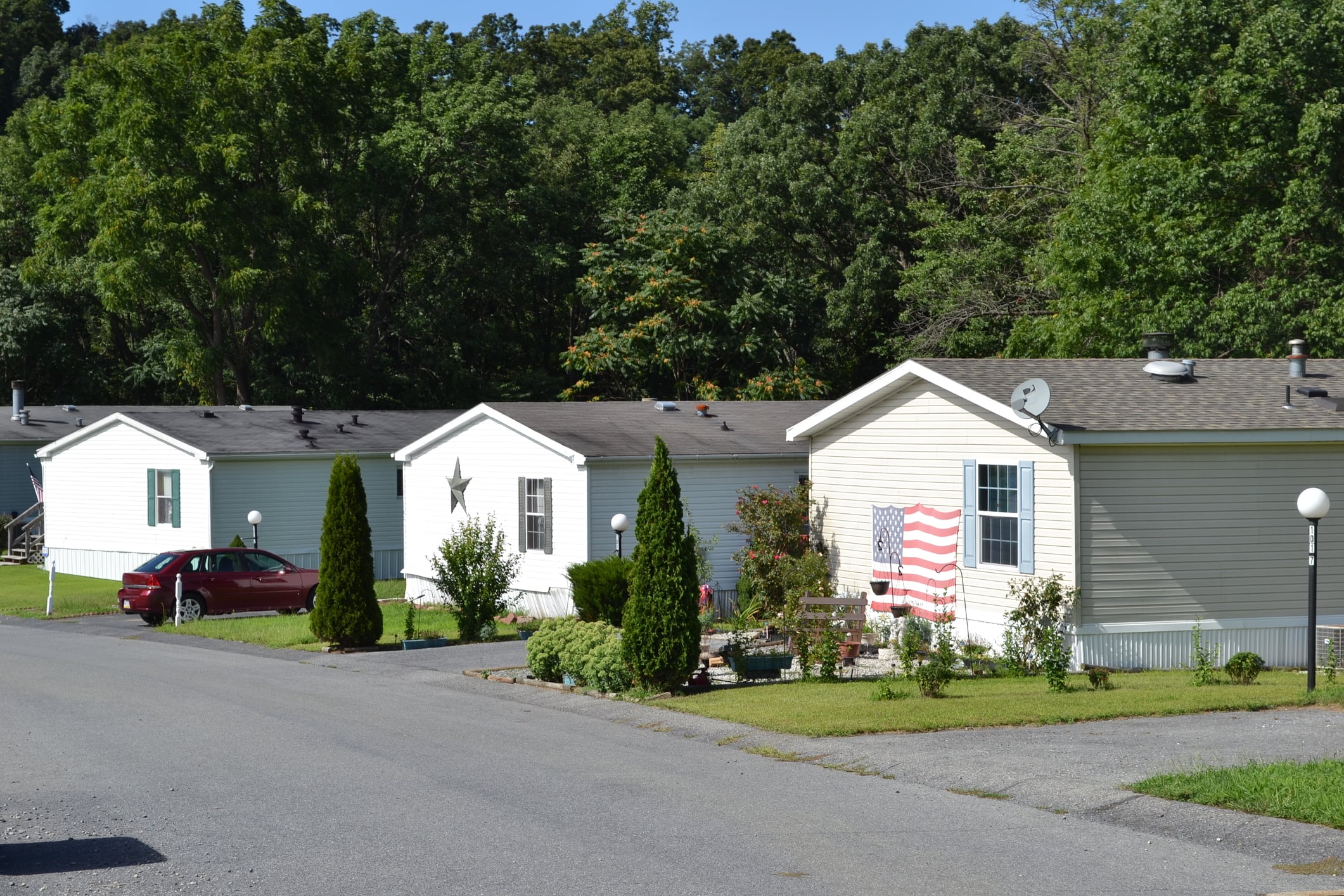
Jackson Township, NJ — A group of manufactured home park owners filed a sweeping lawsuit on April 22 challenging a new rent control ordinance that caps annual increases at 2.5%, arguing it will cut revenue, depress property values, and unfairly single out one type of housing.
The complaint, filed in Ocean County Superior Court, seeks to block Jackson Township’s Ordinance 2026-06 before it fully takes effect, claiming the measure conflicts with a newer state law that allows up to 3.5% annual increases for manufactured home communities.
The plaintiffs include multiple operators of mobile home parks across Jackson, representing all eight such communities in the township.
Clash over rent caps and control
At the center of the dispute is a gap between local and state policy.
New Jersey enacted a 2025 law capping rent increases for manufactured home parks at 3.5% statewide. Jackson’s ordinance goes further, setting a stricter 2.5% limit—while keeping higher caps for other housing types.
Property owners argue that difference is both unlawful and financially unsustainable.
They claim the township provided no economic analysis to justify the lower cap, citing responses to public records requests indicating no supporting documents existed.
Landlords claim financial harm
The lawsuit argues the ordinance effectively limits income below inflation levels, pointing to Consumer Price Index increases ranging from 2.7% to 8% in recent years.
Owners say that mismatch will lead to long-term losses and reduced investment in infrastructure such as roads, utilities, and drainage systems within the communities.
They also challenge provisions that restrict fees—such as for pets or additional occupants—and limit how rents can reset when homes are sold.
—
Key Points
• Lawsuit challenges Jackson Township’s 2.5% rent cap for mobile home parks
• Owners say ordinance conflicts with NJ’s 3.5% statewide law
• Case includes claims of financial harm and conflict of interest
—
Conflict-of-interest allegations emerge
Beyond economics, the complaint raises ethics concerns involving members of the township’s Rent Leveling Board.
Two board members—Joseph Sullivan, the chair, and Frank Sullivan—are named as defendants. The lawsuit alleges both men helped shape the ordinance while living in manufactured home communities affected by the rent limits.
According to the filing, their roles as tenants and policymakers created a direct financial interest in keeping rent increases low.
The plaintiffs claim the officials failed to disclose those conflicts or recuse themselves, potentially violating New Jersey’s Local Government Ethics Law.
Public meeting highlights divide
During a March 24 township council meeting, residents and officials sharply disagreed over the ordinance.
Tenant advocates supported the 2.5% cap, arguing many residents—especially seniors on fixed incomes—struggle to afford rising housing costs.
“2.5 percent is more than enough,” one resident said, describing neighbors who rely on food assistance and part-time work to cover expenses.
Township council members ultimately voted to adopt the ordinance, emphasizing local control and affordability concerns.
“We want to keep it affordable enough for them to stay in this town,” one council member said during the meeting.
Broader legal claims
The lawsuit includes multiple constitutional claims, including:
- Unlawful taking of property, arguing the cap restricts income without compensation
- Equal protection violations, claiming manufactured housing is treated differently than apartments
- Due process concerns, alleging biased decision-making by the rent board
- Federal civil rights violations under 42 U.S.C. §1983
Plaintiffs are seeking to have the ordinance declared unconstitutional, along with an injunction blocking enforcement and unspecified monetary damages.
What comes next
The case will be heard in the Chancery Division in Ocean County, where a judge will determine whether the ordinance can remain in effect while litigation proceeds.
The outcome could shape how far municipalities can go in setting rent controls below statewide limits—particularly in communities where residents own their homes but lease the land beneath them.
For now, the ordinance remains in place as the legal challenge moves forward.