
NJ Lawmakers Advance World Cup Bill as Officials Warn of Human Trafficking Surge
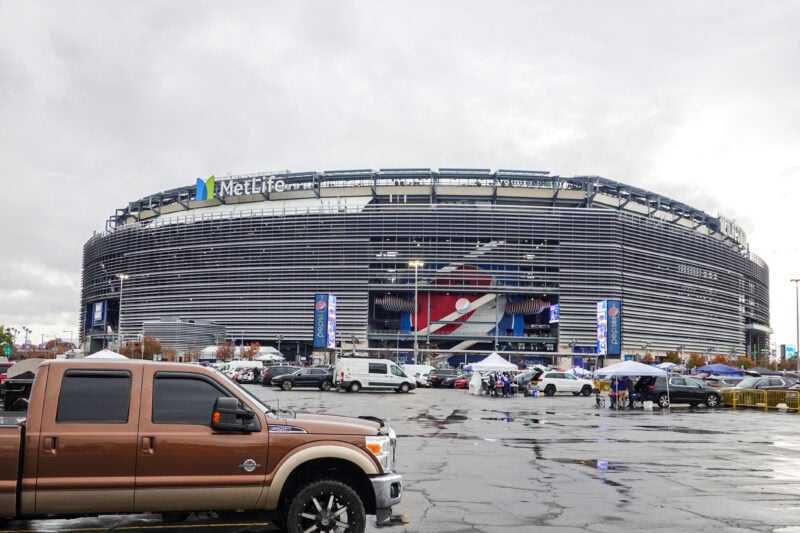
Trenton, NJ — New Jersey lawmakers are moving forward with legislation tied to the 2026 FIFA World Cup as officials warn the global event could fuel increased human trafficking and prostitution across the region. With MetLife Stadium set to host multiple matches—including the final—state leaders are preparing for what experts describe as a “perfect storm” of demand driven by massive crowds and international tourism.
As global events like the FIFA World Cup draw massive crowds, law enforcement and advocacy groups warn they can also drive a surge in sex trafficking—not simply by attracting criminal networks, but by increasing demand for commercial sex and temporary labor in a high-volume, fast-moving environment. With more than a million visitors expected in the New Jersey region and multiple matches at MetLife Stadium, state lawmakers are raising concerns that traffickers will exploit the influx, prompting new legislation aimed at strengthening oversight, protecting vulnerable populations, and preventing abuse before the tournament begins.
A newly introduced bill, A3991, requires state agencies, municipalities, and World Cup organizers to submit detailed human rights plans and reports, including measures aimed at preventing trafficking and exploitation.
Massive influx expected to strain oversight
The World Cup is expected to bring more than a million visitors to the New Jersey/New York region, with at least eight matches scheduled at MetLife Stadium. Lawmakers and advocacy groups say that scale creates heightened risk—not just attracting trafficking, but actively increasing demand.
“Events such as the World Cup pose challenges concerning the health, safety, and welfare of residents, workers, and visitors,” the legislation states, highlighting concerns over human trafficking, labor exploitation, and public safety.
Bill mandates statewide response
Under the proposal, a wide range of agencies—including the Attorney General’s Office, State Police, Department of Labor, NJ Transit, and Port Authority—must submit reports detailing how they will prevent trafficking and protect vulnerable populations before and during the event.
Municipalities hosting World Cup-related activities would also be required to develop local human rights plans addressing:
- Human trafficking prevention
- Worker protections
- Public safety and crowd management
- Housing and anti-discrimination measures
Those plans must be publicly posted and later evaluated after the tournament concludes in July 2026.
—
Key Points
• NJ advancing World Cup-related bill focused on human trafficking risks
• Over 1 million visitors expected for matches at MetLife Stadium
• State and local agencies required to submit prevention and safety plans
—
“Super Bowl effect” raises concern
Advocates often compare the World Cup’s impact to hosting multiple Super Bowls simultaneously—a scenario historically linked to spikes in commercial sex demand and labor exploitation.
The concern extends beyond sex trafficking. Officials warn that industries like hospitality, transportation, and construction—already under strain—could become targets for labor trafficking and wage abuse as temporary workers flood the region.
Prevention efforts already underway
New Jersey has begun coordinating with anti-trafficking organizations, including awareness campaigns and specialized training for workers likely to encounter victims, such as hotel staff and transit employees.
The legislation builds on those efforts by forcing accountability—requiring agencies to document what they are doing and whether it is working.
What happens next
The bill remains under consideration in the Legislature, with additional anti-trafficking measures also being discussed ahead of the 2026 tournament.
If passed, agencies and municipalities would need to act quickly, with initial reports due within 30 days of enactment.
With the countdown to the World Cup already underway, officials say the question is no longer whether risks exist—but whether the state can effectively manage them before the crowds arrive.