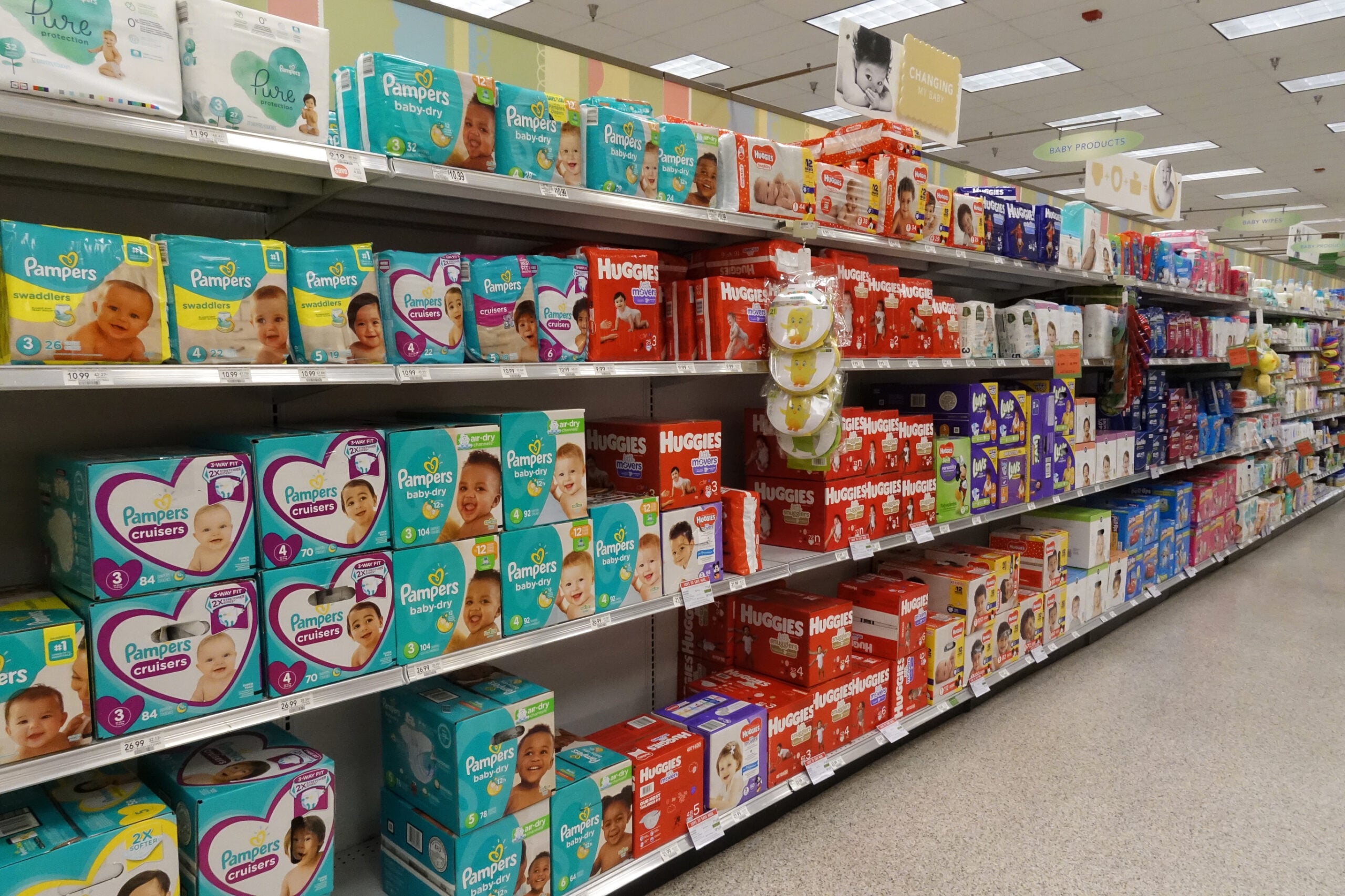
A bill advancing in Trenton would prohibit the sale of apparel and diaper products containing intentionally added PFAS, chemicals linked to environmental contamination and potential health risks.
TRENTON, N.J. — New Jersey lawmakers are moving forward with legislation that would ban the sale, manufacture, and distribution of clothing and diaper products containing intentionally added PFAS, commonly known as “forever chemicals.”
Assembly Bill 5048 was approved by the Assembly Consumer Affairs Committee on Thursday and would take effect two years after enactment.
Key Points
• Bill would ban apparel and diaper products containing intentionally added PFAS
• PFAS are commonly used to make products water-resistant, stain-resistant, and oil-resistant
• Violators could face penalties ranging from $1,000 to $20,000 per violation
The legislation would prohibit intentionally added PFAS in a wide range of products, including shirts, pants, dresses, athletic wear, school uniforms, footwear, swimwear, workwear, outdoor apparel, and diaper products.
Exemptions would remain for personal protective equipment, military clothing, and specialized protective gear used for motorcycles and off-highway vehicles.
What are PFAS?
PFAS, or per- and polyfluoroalkyl substances, are a large class of man-made chemicals used for decades in consumer products because they resist water, grease, stains, and heat. They are commonly found in rain jackets, outdoor gear, performance fabrics, stain-resistant clothing, food packaging, and nonstick products.
The chemicals are often referred to as “forever chemicals” because they break down extremely slowly and can remain in the environment for years or even decades. One industry publication described PFAS as being widely used in apparel for their “water- and stain-resistant properties” but noted growing concerns over their environmental persistence and toxicity.
Why are they controversial?
Health and environmental advocates have pushed for restrictions because PFAS can accumulate in soil, waterways, wildlife, and the human body. Studies have linked certain PFAS compounds to increased cancer risks, developmental issues, fertility concerns, immune system effects, and other health problems.
A report on PFAS in clothing noted that the chemicals “stick around for thousands of years, polluting our environment and our bodies.”
Environmental groups argue that many consumers unknowingly purchase products containing PFAS simply because they are marketed as waterproof, stain-resistant, or easy-clean.
Why are they used in clothing?
Manufacturers have traditionally relied on PFAS coatings to create water-resistant and stain-resistant fabrics.
These treatments are particularly common in rain jackets, outdoor apparel, athletic clothing, uniforms, and children’s products because they provide durable protection against moisture and spills.
Industry experts note that PFAS became popular because few alternatives historically matched their performance in extreme conditions. However, regulators and manufacturers are increasingly moving away from the chemicals as concerns about health and environmental impacts grow.
What are the alternatives?
Many apparel manufacturers have already begun transitioning to PFAS-free technologies.
Alternatives include silicone-based water repellents, hydrocarbon-based finishes, polyurethane membranes, expanded polyethylene (ePE) waterproof barriers, and natural materials such as tightly woven cotton and wool designed to repel moisture without fluorinated chemicals.
Researchers studying outdoor apparel found that “highly fluorinated chemicals in functional textiles can be replaced by re-evaluating liquid repellency and end-user requirements,” suggesting comparable performance can often be achieved without PFAS.
Many major clothing brands have already announced PFAS-free product lines as state-level restrictions expand across the country. New York, California, Colorado, and several other states have enacted similar limits on PFAS-containing apparel.
Penalties for violations
Under the New Jersey bill, violations would be treated as violations of the state’s Protecting Against Forever Chemicals Act.
Companies found in violation could face civil penalties ranging from $1,000 to $20,000 per violation, with each day a violation continues considered a separate offense.
The legislation now advances for further consideration in the New Jersey Legislature.