New Jersey Democrats Advance $50 Billion ‘Polluters Pay’ Climate Bill
The proposal would require major fossil fuel companies to fund climate resilience projects across New Jersey through $50 billion in cost recovery payments over two decades.
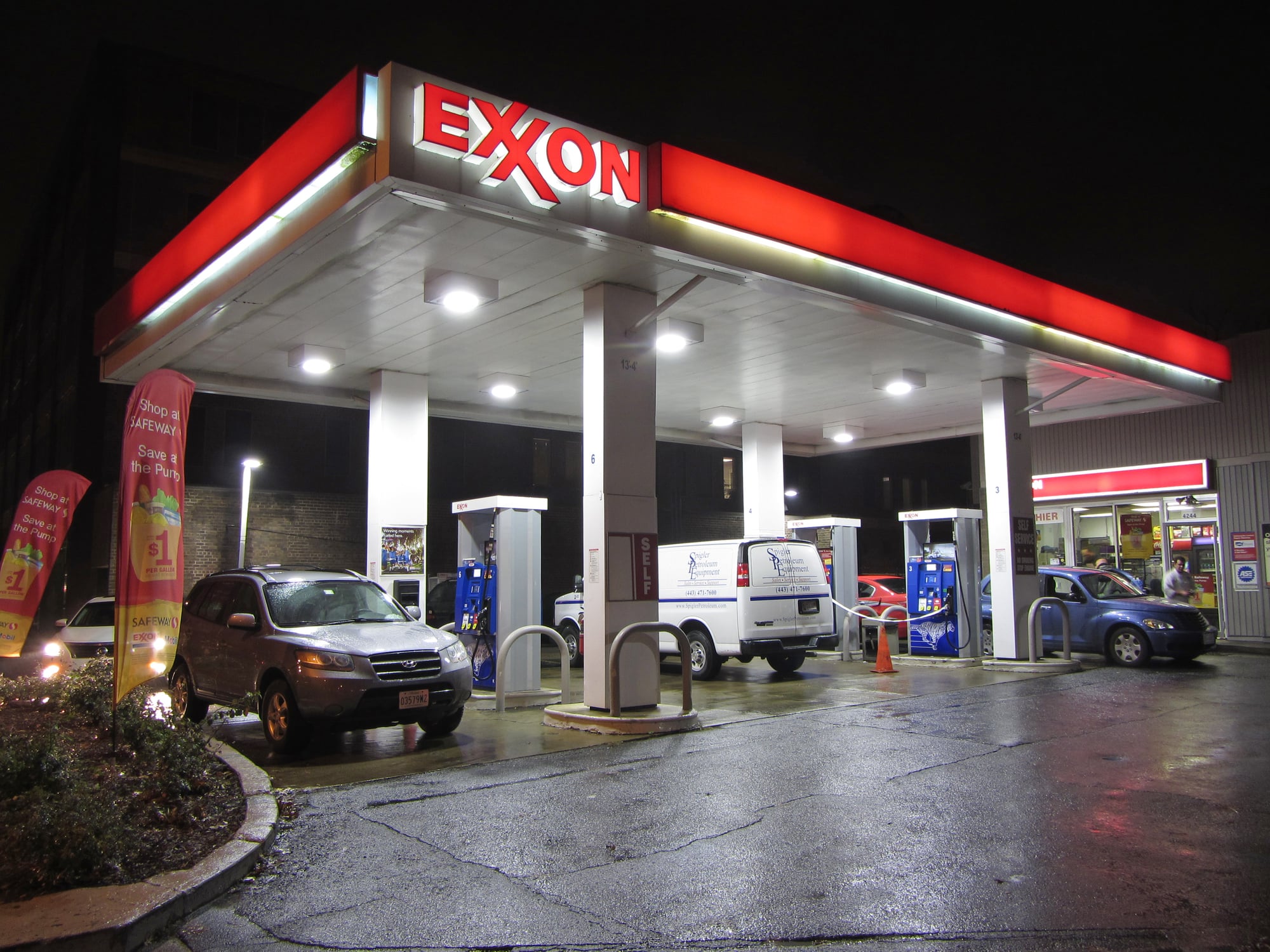
TRENTON, N.J. — As Exxon and other ‘Big Oil” companies are fleeing the Garden State, a New Jersey Assembly committee has advanced legislation that would require those fossil fuel companies to pay a combined $50 billion to help finance climate adaptation and resilience projects throughout the state.
The measure, known as the “Polluters Pay to Make New Jersey More Affordable Act,” was released Thursday by the Assembly Environment and Solid Waste Committee.
Key Points
• Bill would require certain fossil fuel companies to pay a combined $50 billion
• Funds would support flood protection, infrastructure upgrades, energy resilience, and climate adaptation projects
• Payments would be collected over a 20-year period through a new state program
Under the proposal, the Department of Environmental Protection would establish a program to assess and collect payments from companies deemed responsible for significant greenhouse gas emissions.
The legislation applies to entities that extracted fossil fuels between Jan. 1, 1995, and Dec. 31, 2024, and are responsible for more than one billion metric tons of covered greenhouse gas emissions during that period.
New climate fund created
Money collected through the program would be deposited into a newly created Climate Adaptation, Resiliency, and Affordability Fund, known as the CARA Fund.
The legislation would also create the New Jersey Climate Adaptation, Resiliency, and Affordability Trust, which would oversee the distribution of funding and develop a statewide climate adaptation master plan.
Companies determined to be responsible parties would receive cost recovery assessments based on their share of greenhouse gas emissions. The bill would allow those payments to be made in annual installments over a 20-year period.
Projects would target climate impacts
Funding could be used for a broad range of projects aimed at addressing the effects of climate change.
Eligible projects include flood protection efforts, stormwater drainage improvements, home buyouts in flood-prone areas, upgrades to roads and bridges, resilience improvements for energy infrastructure, and preparedness for extreme weather events.
Additional funding could support public health programs, school and housing retrofits, tree planting initiatives, renewable energy projects, sewage treatment plant protections, agricultural resilience efforts, and workforce training programs.
Labor requirements included
The legislation also establishes labor standards for projects receiving funding through the program.
Projects receiving at least $5 million from the fund would generally be required to utilize project labor agreements during construction.
State agencies, including the Department of Transportation, Board of Public Utilities, Department of Community Affairs, Department of Health, and Department of Education, would submit project recommendations to the trust for review before funding is approved through the state budget process.
Opposition expected
Supporters argue the legislation would require companies that contributed significantly to greenhouse gas emissions to help pay for infrastructure and adaptation projects needed to address climate-related impacts.
Critics of similar proposals in other states have argued that such assessments could face legal challenges and ultimately increase energy costs for consumers if companies pass additional costs on to customers.
The bill now moves forward in the legislative process for further consideration by lawmakers.