Buc-ee’s billboards on New Jersey Turnpike spark speculation — but no Garden State stop planned
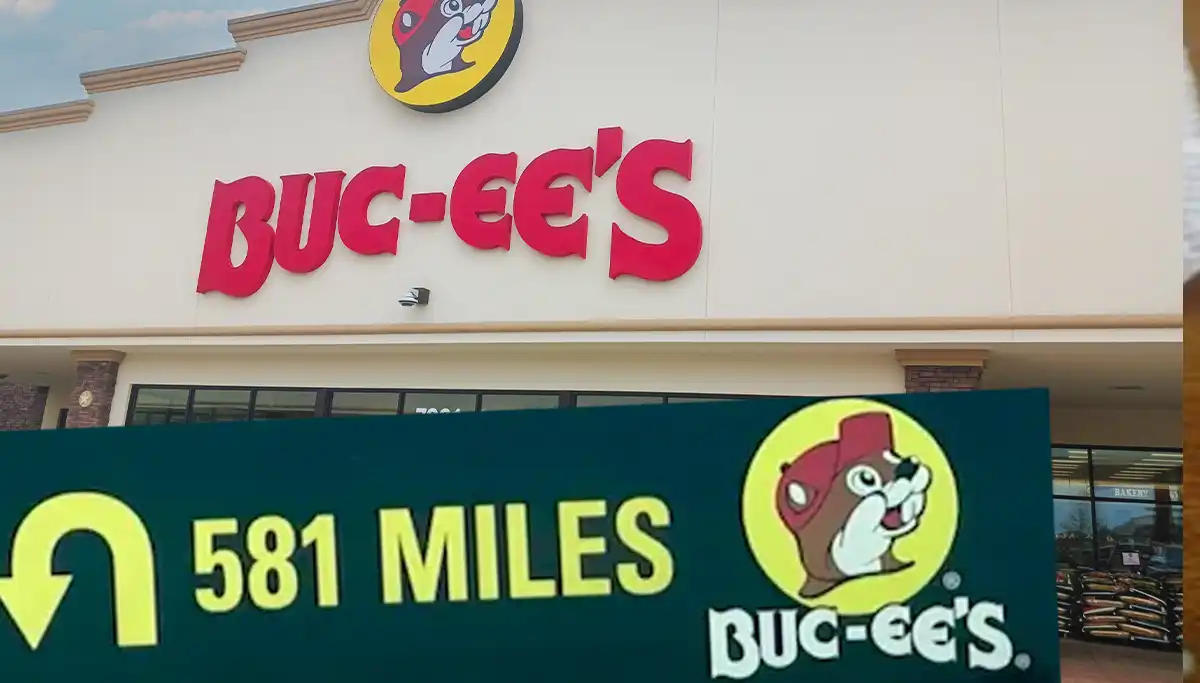
SAYREVILLE, NJ – If you’ve driven the New Jersey Turnpike since last year, you might’ve noticed a quirky roadside message just past Exit 8: “Buc-ee’s: 581 miles South.”
The red-beaver mascot smiling down on North Jersey commuters has stirred plenty of chatter — and a lot of wishful thinking — that the famous Texas travel center might finally be coming to the Garden State.
But those hoping for brisket sandwiches and beaver nuggets off the Turnpike exit ramps may want to keep driving. Despite the buzz, Buc-ee’s has no plans to open a location in New Jersey, and the company’s new billboard campaign is more about brand awareness than announcing any expansion north.
Key Points
- Buc-ee’s billboards on the New Jersey Turnpike are designed to build national brand recognition, not promote a nearby store
- The Texas-based chain faces major logistical barriers to entering the state due to New Jersey’s self-service gas ban
- Existing regional giants like Wawa and QuickChek already dominate the convenience and fueling market
Buc-ee’s marketing strategy: Build curiosity, not convenience
Buc-ee’s is famous for its clean restrooms, massive retail centers, and a highway culture that blends humor with Southern hospitality. Its latest billboard campaign — featuring tongue-in-cheek messages like “581 miles South” — targets long-distance travelers rather than local commuters.
It’s also a play on the old South of the Border ads. As interest in South of the Border wanes, as the aging former half-way hotspot ages, Buc-ees is trying to wedge itself in as the new must-see attraction on your way to Florida on I-95.
The idea is simple: introduce Northeasterners to Buc-ee’s before they ever reach one. By the time vacationers drive south through Virginia, Georgia, or Florida, where Buc-ee’s is expanding rapidly, the brand name already feels familiar — and worth the stop.
Marketing experts say Buc-ee’s billboards are a form of pre-emptive advertising, meant to create brand curiosity years before new stores arrive in a region. The company used a similar approach in Florida, running billboards on highways long before its first Daytona Beach store opened.
In other words, the Turnpike signs aren’t announcing a New Jersey location — they’re a wink and a tease, reminding Northeastern drivers that a Buc-ee’s experience awaits them “a few hundred miles south.”
The Garden State’s full-service gas ban: A dealbreaker for Buc-ee’s
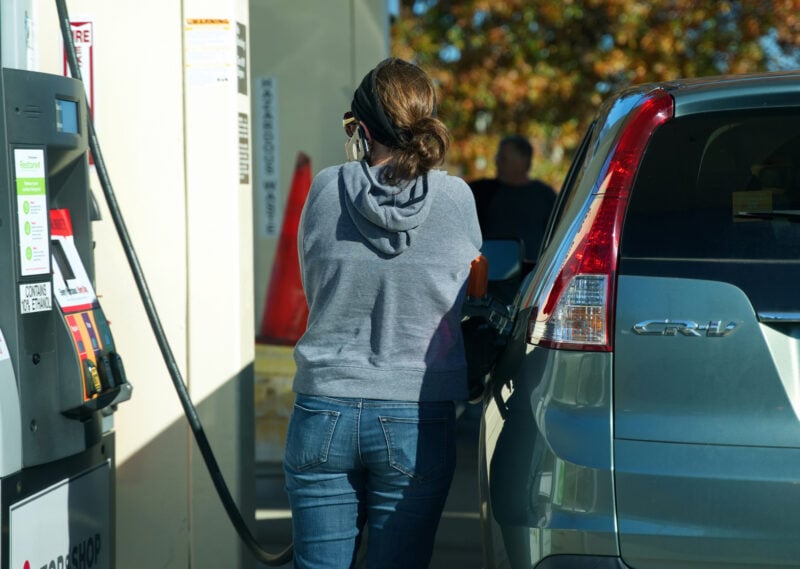
While rumors of a Buc-ee’s in Sayreville have circulated for months, the company’s model simply doesn’t align with New Jersey’s fueling laws. The state remains one of only two in the nation — along with Oregon — where it’s illegal for customers to pump their own gas.
Under state law (N.J.S.A. 34:3A-4), only trained attendants may operate fuel pumps, a regulation in place since 1949. Supporters of the ban argue it protects public safety, prevents job loss, and ensures better service for drivers. Opponents, however, say it drives up costs and creates unnecessary inefficiency.
For Buc-ee’s, which prides itself on high-speed self-service fueling with more than 100 pumps per location, the ban is an operational nightmare. Staffing attendants for every fueling position would require dozens of employees per shift, dramatically increasing labor costs and undermining the chain’s fast-turnaround model.
“New Jersey’s ban on self-service gas makes it virtually impossible for Buc-ee’s to replicate its business model here,” retail analyst Dan Weber said. “Their success depends on scale, efficiency, and the ability to move thousands of drivers through the pumps each day with minimal staffing.”
Unless the state reverses its decades-old full-service requirement — something lawmakers have debated and failed to pass for years — Buc-ee’s expansion north of Virginia is unlikely.
Wawa and QuickChek: New Jersey’s homegrown competition
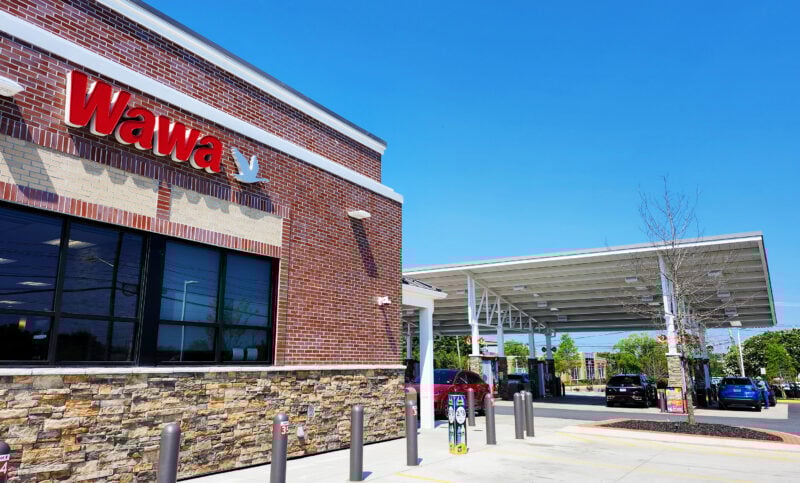
Even if Buc-ee’s could overcome the pumping law, it would face steep competition from entrenched regional favorites. Wawa, founded in Pennsylvania in 1964, operates over 280 stores in New Jersey and has achieved near-cult status of its own. Known for made-to-order hoagies, coffee, and a growing line of drive-thru and electric vehicle-friendly locations, Wawa blends convenience store culture with local loyalty.
Meanwhile, QuickChek, founded in Dunellen, New Jersey, in 1967, maintains a strong presence with more than 150 locations statewide. The chain emphasizes locally staffed stores, fresh food, and convenience-driven service, directly catering to New Jersey’s commuter-heavy culture.
Both companies operate under the full-service fueling model required by state law and have optimized their operations accordingly. Buc-ee’s, by contrast, would need to completely restructure its staffing and store design to comply — a costly and complex shift for a company that thrives on scale and speed.
A long shot, but a smart play
In the end, Buc-ee’s billboards may never lead to a physical store in New Jersey, but they’ve already accomplished their goal — brand awareness and conversation. Motorists are googling the company, social media posts are buzzing, and the “581 miles South” sign has become a lighthearted mystery for Turnpike travelers.
That curiosity is worth its weight in fuel sales down the line. When those same drivers head south for vacations — through the Carolinas, Georgia, or Florida — Buc-ee’s is waiting, fully staffed, self-served, and spotless as ever.
Until New Jersey changes its laws, Garden State drivers may have to keep making the long trek south to see what the fuss is about — but for Buc-ee’s, the billboard buzz is proof that sometimes a little distance makes the brand grow fonder.
Tags: new jersey, buc-ees, travel