A proposed Medicaid benefit would cover certain healthy foods for patients with diabetes, hypertension or obesity, subject to federal approval.
TRENTON, N.J. — Some NJ FamilyCare patients could receive prescriptions for fruits, vegetables and other medically appropriate groceries under a bill advanced by a New Jersey Assembly committee.
Move over EBT, Democrats in New Jersey are looking for ways to keep the highly scrutinized taxpayer funded food subsidies alive after President Trump’s cuts targeting undocumented citizens and those who can work, but choose not to.
The Assembly Aging and Human Services Committee reported A4799 favorably with amendments Sunday, moving the proposed “food as medicine” benefit another step through the Legislature.
The measure would not provide unrestricted free groceries to every NJ FamilyCare member. Eligibility would be limited to enrollees diagnosed with Type 2 diabetes, hypertension or obesity who receive a food prescription from a licensed health care provider.
Implementation would also depend on what the federal government permits under New Jersey’s Medicaid waiver.
What Doctors Could Prescribe
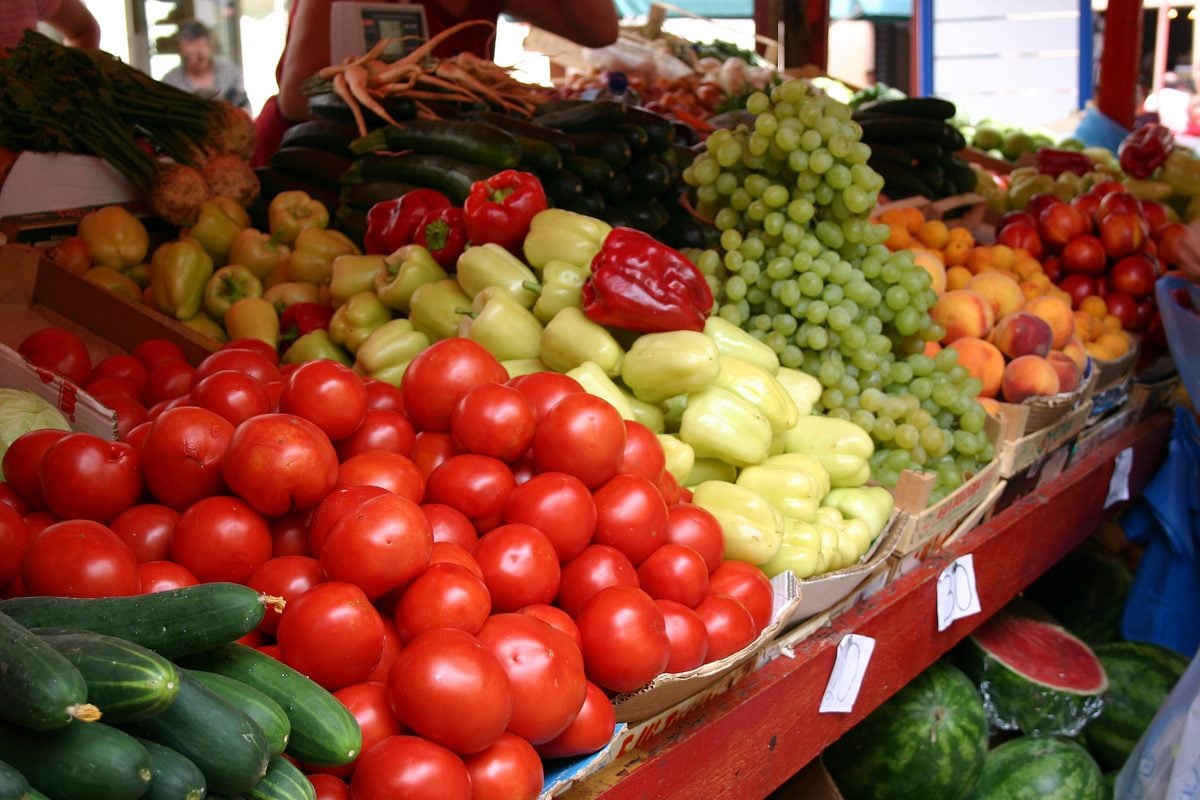
Covered food prescriptions could include fresh fruits, fresh vegetables, culturally appropriate staple foods and other grocery items determined to be medically appropriate by the commissioners of Human Services and Health.
The committee removed nutritional supplements from the list of eligible products. The amendment means the benefit would focus on food rather than shakes, powders, pills or other supplemental nutrition products.
The Legislature’s official A4799 record describes the measure as requiring NJ FamilyCare coverage for healthy food prescriptions for certain enrollees.
Assembly members Kenyatta Stewart and Al Abdelaziz of Paterson and Shama Haider of Tenafly are the primary sponsors. Assembly members Margie Donlon, Shanique Speight and Ravi Bhalla are listed as co-sponsors.
Pharmacies and Corner Stores Could Participate
Patients would fill prescriptions at participating small food retailers and retail pharmacies operating through a renamed Healthy Corner Store and Retail Pharmacy Program.
The underlying program targets rural and urban communities classified as low- or moderate-income areas, including neighborhoods where residents may have limited access to full-service grocery stores.
Retail pharmacies would have to become approved Medicaid providers before receiving reimbursement for food prescriptions.
Participating pharmacies and small retailers would also have to satisfy program requirements involving food access, accountability and data reporting.
Taxpayer-Funded Equipment Grants Would Increase
A4799 would allow participating retail pharmacies to seek financial assistance for refrigeration, shelving, storage and other equipment needed to stock fresh food.
The maximum equipment award would increase from $5,000 to $6,000 for each participating small retailer or pharmacy.
Pharmacies could also receive mini-grants of up to $100 to cover initial participation expenses.
The bill would appropriate $500,000 from New Jersey’s General Fund to the Department of Human Services for implementation. That appropriation is separate from the future cost of reimbursing food prescriptions through NJ FamilyCare.
Federal Approval Would Be Required
NJ FamilyCare includes New Jersey’s Medicaid and Children’s Health Insurance programs, which operate with state and federal funding.
Because ordinary Medicaid coverage does not automatically include retail grocery purchases, New Jersey would need applicable federal authorization and financial participation before launching the benefit.
The state currently operates NJ FamilyCare through a federally approved Section 1115 demonstration. The Centers for Medicare and Medicaid Services waiver record shows that New Jersey already has approval for certain health-related social-needs services, including a medically indicated meals initiative.
A4799 directs the Human Services commissioner to seek any additional waivers or state-plan amendments required to preserve federal reimbursement.
If federal regulators do not authorize the proposed grocery benefit, the state could not implement it as described with federal Medicaid participation.
State Says Food Could Reduce Medical Spending
The stated goal is not simply to distribute groceries. Lawmakers want the program structured as a medical intervention that could improve chronic-disease management and reduce Medicaid costs.
Poorly controlled diabetes and hypertension can lead to emergency department visits, hospitalization and increased prescription-drug use. The legislation directs state officials to determine whether providing prescribed healthy food reduces those expenses.
The Department of Human Services would track the number of prescriptions written and filled, changes in food access and participating patients’ health outcomes.
Annual reports would document participation, state costs and any reductions in emergency visits, hospitalizations, medication use or overall Medicaid spending.
The proposal does not guarantee that savings would exceed the program’s cost. It requires the department to collect data so lawmakers can evaluate that claim after implementation.
Bill Includes Fraud and Waste Controls
The department would have to establish eligibility verification, utilization reviews and periodic audits.
Those safeguards are intended to prevent prescriptions from being filled for ineligible patients, limit improper purchases and identify fraud, waste or abuse by providers and participating retailers.
The state could also work with community organizations and community health workers to educate patients, encourage compliance and help them locate prescribed foods.
Local farmers and food suppliers would receive priority for program partnerships when practicable.
Medical Benefit Would Differ From SNAP
The proposed NJ FamilyCare benefit would be separate from the Supplemental Nutrition Assistance Program.
SNAP eligibility is based primarily on household income and other program rules. A food prescription under A4799 would instead be tied to Medicaid enrollment, a qualifying medical diagnosis and an order from a licensed provider.
Shore News Network previously reported on changes affecting SNAP food choices and work requirements.
A patient could potentially qualify for both programs, but A4799 would not replace SNAP or make all grocery purchases Medicaid-eligible.
Proposal Still Requires Final Approval
Committee approval does not make the food benefit law.
A4799 must still clear the remaining legislative process and receive the governor’s signature. State officials would then need to adopt regulations, secure federal approval and enroll participating retailers and pharmacies.
The bill proposes taking effect on the first day of the fourth month after enactment, although the actual start of food-prescription coverage would depend on federal authorization and program readiness.
More coverage of New Jersey, health, government, food and state news is available from Shore News Network.