
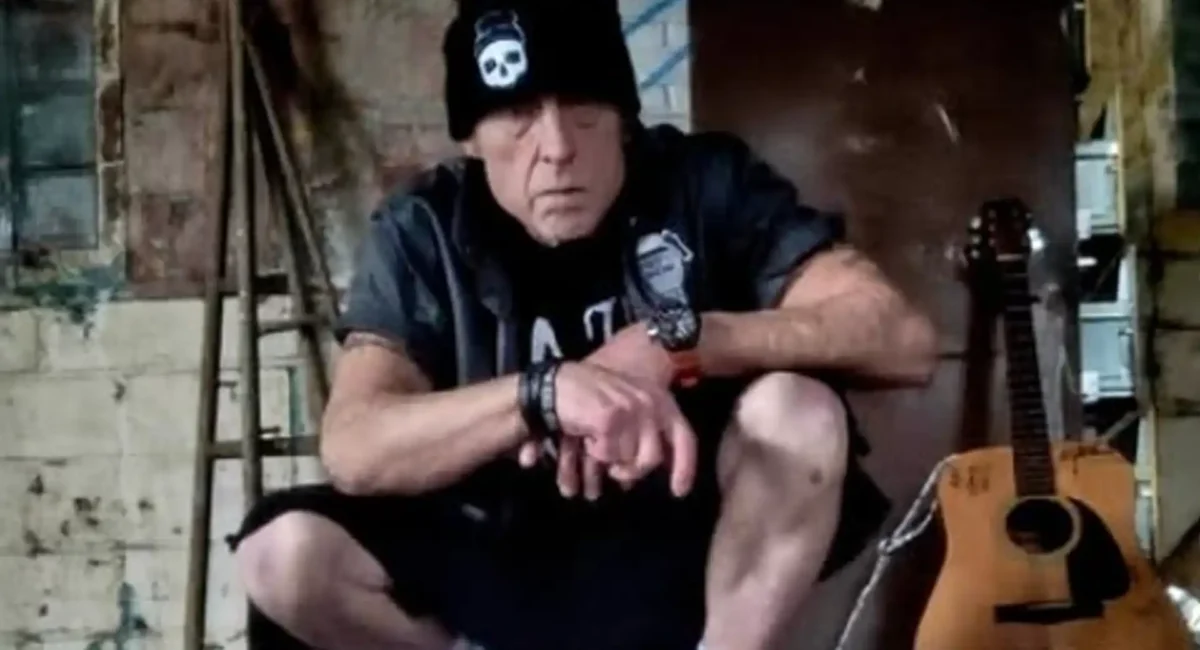
Todd Alan Ellis stepped back inside the crumbling former City Gardens nightclub for a final performance, revisiting the Trenton venue where punk, alternative rock and New Jersey music history once collided.
TRENTON, N.J. — Before the walls come down, Todd Alan Ellis wanted to hear music inside City Gardens one more time.
Ellis, the New Jersey musician, chef and promoter better known as Todd the Mod, returned Sunday to the deteriorating former nightclub at 1701 Calhoun Street in Trenton and performed inside the space that helped shape his teenage years and musical career.
“One Last Performance before they ‘Tear Her Down,’” Ellis wrote after the visit.
Standing inside the abandoned building, he reflected on opening, working and supporting shows there during an era when City Gardens became one of the most unlikely influential music venues in the Northeast.
“I would Open, Work and Support the Biggest Bands in the World here,” Ellis wrote. “My Teenage ‘Angst’… It Would Shape Who I Would Become.”
From a Rough Trenton Club to a Punk Landmark
City Gardens did not look like a place destined for music history. In fact for those of us who went there, it was little more than a physical hole in the wall in one of the most run down parts of Trenton, New Jersey.
As a highschooler, City Gardens was my home away from home, when we couldn’t get to places like the Ritz, CBGB’s, and other great venues in the tri-state area.
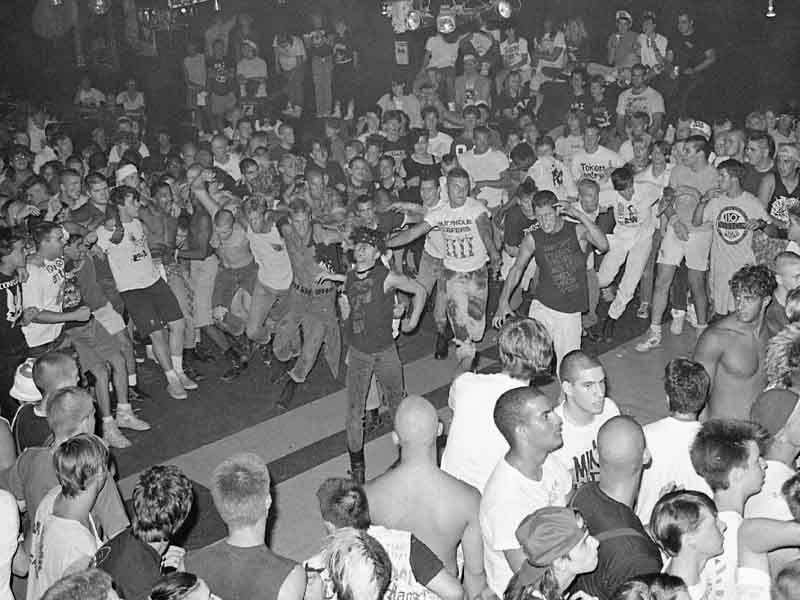
As it turns out, City Gardens was essentially the CBGB’s of New Jersey.
The low-slung building on Calhoun Street had previously served several purposes, including as an automobile dealership and as the club Chocolate City, before City Gardens emerged as a major alternative music venue in the late 1970s.
What followed was an extraordinary run that created legends.
The club hosted artists including the Ramones, Black Flag, Dead Kennedys, Nirvana, Green Day, the Replacements, Joan Jett, Soundgarden, Ween and countless others. Danzig played its first show there, while A Flock of Seagulls and the Thompson Twins made early American appearances at the venue.
Everyone who is anyone in the punk and rock scene either played there on their way up, or on their way down.
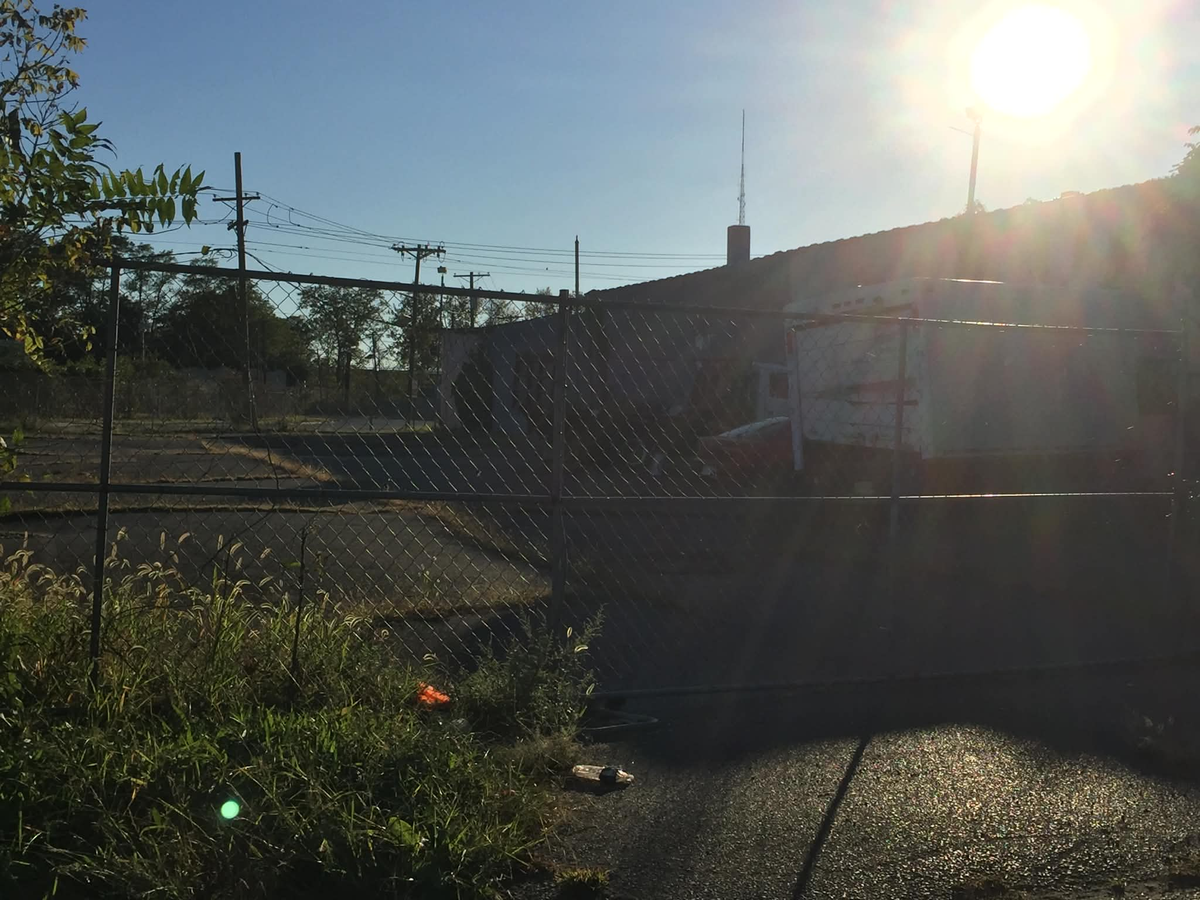
Comedian Jon Stewart worked behind the bar years before becoming nationally known.
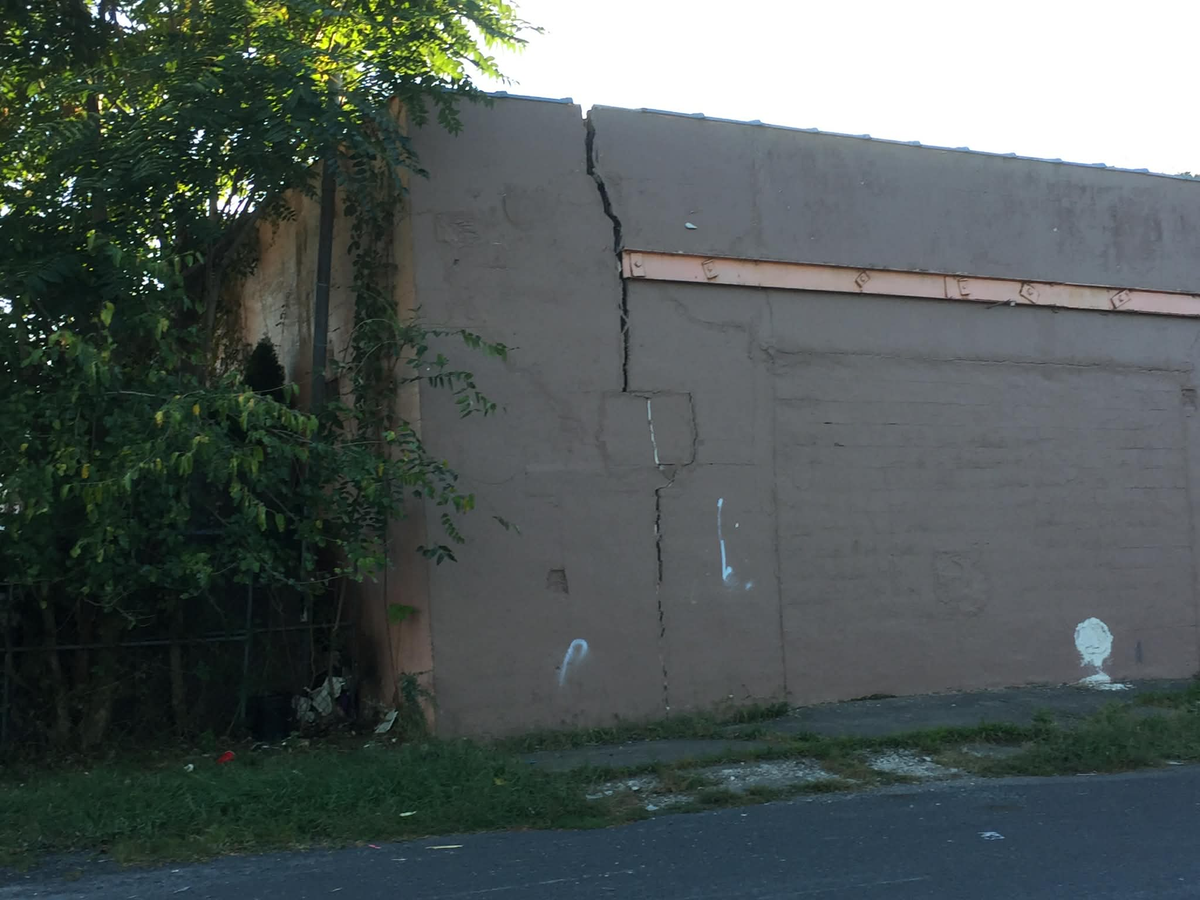
The building ultimately outlasted the club itself. City Gardens ceased regular operations years ago and officially closed in 2001, leaving the structure to deteriorate for decades.
By 2022, the building was already considered dangerously unstable, with News 12 New Jersey reporting that portions of the structure appeared close to collapse.
“I Can Still Hear Nirvana, Green Day, Black Flag”
For Ellis, walking back inside was less about the building than what happened inside it.
“This sad, dreary place today,” he wrote. “I can still hear Nirvana, Green Day, Black Flag, The Dead Kennedys, Joan Jett, Sound Garden, The Replacements, The Ramones… The list is endless.”
Ellis performs as Todd the Mod and has remained active in New Jersey’s music scene for decades. He is also a chef and operates the Starving Artist Cafe in Stockton, where live music remains part of the restaurant’s identity.
The return to City Gardens connected several pieces of Ellis’ life — music, performance and a club that introduced a generation of New Jersey teenagers to bands they often could not see anywhere else.
Randy Now Built the City Gardens Sound
At the center of the City Gardens story was Randy “Now” Ellis, Todd Ellis’ brother and one of the figures most closely associated with the club.
Randy Now began DJing at City Gardens in 1979 and later became its influential talent buyer and promoter.
He built the club’s calendar around punk, new wave, hardcore, ska and alternative acts, often booking bands well before they were capable of filling arenas or major theaters.
The formula turned an otherwise unremarkable Trenton building into a destination for music fans from New Jersey, Philadelphia, New York and beyond.
City Gardens’ cheap admission, infamous 90-cent dance nights and aggressive booking schedule helped create a scene that became part of New Jersey’s underground cultural history.
A history of the venue published by Trenton Daily credited Randy Now with bringing thousands of acts through the club during his tenure.
His story and the club’s legacy were later chronicled in the documentary Riot on the Dance Floor: The Story of Randy Now and City Gardens and the oral history No Slam Dancing, No Stage Diving, No Spikes.
Where Is Randy Now? Hightstown
Randy Now never really left the music business.
Today he operates Randy Now’s Man Cave, a record store and small live-music space at 119 W. Ward Street in Hightstown. The man cave continues Randy’s tradition of live music, but on a more scaled-down, and yes, age-appropriate setting.
The store sells new and used vinyl, CDs, cassettes, books, memorabilia and other collectibles while continuing the City Gardens tradition on a much smaller scale by hosting live performances.
Randy initially opened the Man Cave in Bordentown before moving to a larger Hightstown location.
His own store history says he spent more than 40 years in the music business, beginning as a City Gardens DJ before becoming the promoter responsible for booking acts ranging from the Ramones and Replacements to Green Day.
For longtime City Gardens regulars, the shop has become something of an unofficial archive — part record store, part concert venue and part gathering place for people who remember what happened on Calhoun Street.
A Final Performance Where It Started
Todd Ellis ended his message with a nod to his brother.
“Thanks Brother Randy Now,” he wrote. “A Mailman with a Musical Dream… Grateful.”
The description captures much of what made City Gardens unusual.
It was never a polished Manhattan club or a corporate concert hall. It was a battered building in Trenton where an obsessive music fan booked bands, local musicians found stages, and generations of teenagers discovered music that often had nowhere else to go. It had bathrooms that essentially made all who used them immune to every disease they bore.
Now, as the long-abandoned building approaches its final chapter, Todd the Mod returned to the room one last time and played.
The venue may disappear from Calhoun Street, but for the musicians, promoters and fans who passed through it, City Gardens has been gone for years without ever really leaving.
Phil Stilton, the editor of Shore News Network, was a music writer for Jersey Scene magazine and Maximum Rock’n’Roll during the City Gardens Era. Jersey Scene covered and interviewed some of the biggest touring bands to play at City Gardens during that period. It also focused on supporting local bands that would frequently open for the larger touring bands.
