Governor Phil Murphy took to the podium this week to once again champion his administration’s record on public education, calling it “best-in-the-nation” and a cornerstone of New Jersey’s future.
In a statement released ahead of his final budget proposal, Murphy emphasized monumental investments in K-12 schools, a push for full funding of the state’s education system, and an ambitious expansion of free, full-day pre-K.
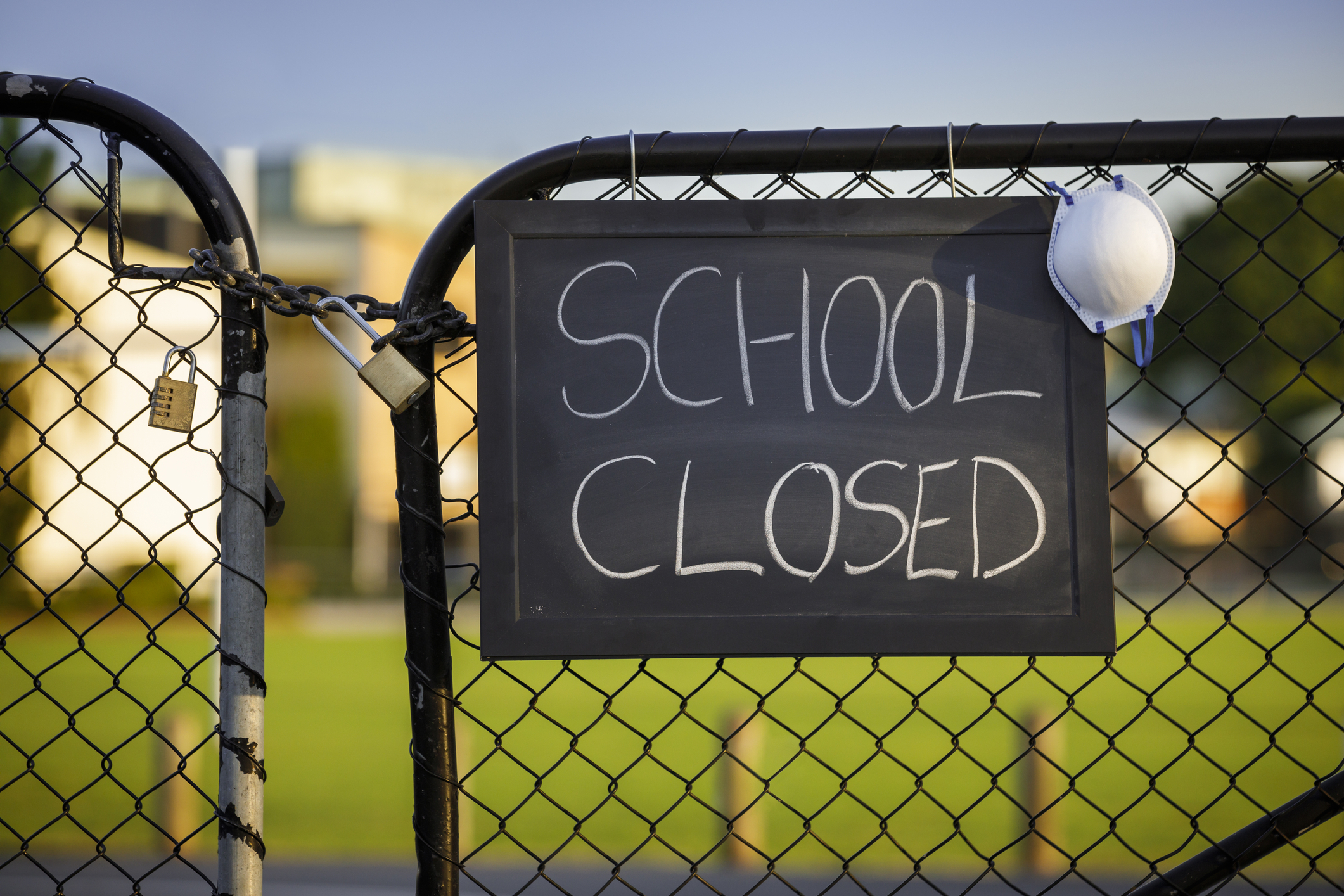
Yet, beneath the rosy rhetoric, dozens of school districts across the state are grappling with the harsh realities of his administration’s S2 school funding formula, which has led to teacher layoffs, school closures—including nationally recognized Blue Ribbon schools—and the termination of critical programs like STEM and specialized education curricula.
“New Jersey’s future is supporting our children,” Murphy declared. “That is exactly why our Administration has made monumental investments into strengthening our best-in-the-nation public education system.” He pointed to record-high K-12 funding in every budget of his tenure, with the upcoming budget poised to deliver what he calls “the single-largest investment into New Jersey’s public schools in history.” The governor also highlighted plans to stabilize school funding, ensuring no district faces steep aid cuts year-to-year, and touted the creation of nearly 20,000 new pre-K seats as a “North Star” for early childhood success.
But for many districts, the reality on the ground tells a different story. The S2 funding formula, signed into law in 2018 under Murphy’s watch, was intended to redistribute state aid more equitably by reducing allocations to “overfunded” districts and increasing support for underfunded ones. While the policy has delivered gains for some urban and low-income areas, it has left a trail of financial wreckage in others, particularly suburban and rural districts that have seen aid slashed over the past seven years.
In the past year alone, districts like Toms River, Cherry Hill, and Westfield—home to award-winning Blue Ribbon schools—have shuttered buildings, laid off dozens of teachers, and axed programs that once set them apart. Toms River Regional, for instance, closed an elementary school and cut its STEM offerings after losing $17 million in state aid since S2’s implementation. Cherry Hill, a district praised for its specialized education programs, terminated staff and scaled back services for students with disabilities, citing a $10 million shortfall. Even high-performing Westfield, a perennial Blue Ribbon recipient, has resorted to larger class sizes and reduced extracurriculars as aid dwindles.
Murphy’s administration counters that the funding formula is working as intended, bringing fairness to a system long plagued by inequities.
“With every budget, we have provided record-high funding for our K-12 schools,” the governor said, noting that the state’s contribution offsets property tax burdens for working families. He also emphasized new pre-K funding as a lifeline for parents, arguing, “Every additional dollar the state spends on public education is a dollar our families get to save.”
Critics, however, argue that the cuts undermine the governor’s narrative of progress. A recent report from the New Jersey Education Association found that over 70 districts have faced aid reductions since 2018, with cumulative losses topping $1 billion. Property taxes, far from stabilizing, have spiked in many towns to compensate—Hardyston Township, for example, saw a 15% hike last year after losing $2 million in aid.
And while pre-K expansion has been a bright spot, detractors say it comes at the expense of K-12 stability.
“Fully funding the system sounds great until you realize it’s a zero-sum game,” said Assemblyman Robert Clifton (R-Monmouth), who has called for S2 reforms. “You can’t gut one district to prop up another and call it a win.”
As Murphy prepares to unveil his final budget, the tension between his lofty goals and the formula’s fallout is palpable. For every new pre-K seat celebrated, a teacher’s pink slip or a shuttered science lab tells a counterstory—one that may define his education legacy as much as the successes he claims. With New Jersey’s public schools at a crossroads, the question remains: Can the state afford both Murphy’s vision and the sacrifices it demands?