

NEW YORK, NY – If you watch television news or get your daily take on current events on social media, on any given day, political fights and arguments are not hard to find. That is especially true in the New York area, an American hotbed of cultural diversity, which also brings cultural and political clashes.
It’s election season, and with it comes passionate debates, Facebook rants, and those dreaded lawn signs that seem to sprout everywhere like political dandelions. But sometimes, a heated argument or an annoying neighbor crosses the line into something a little more serious: harassment. So, let’s cut through the noise and answer the big question: can you actually sue somebody for politically harassing you?
1. If Someone Steals Your Lawn Sign…
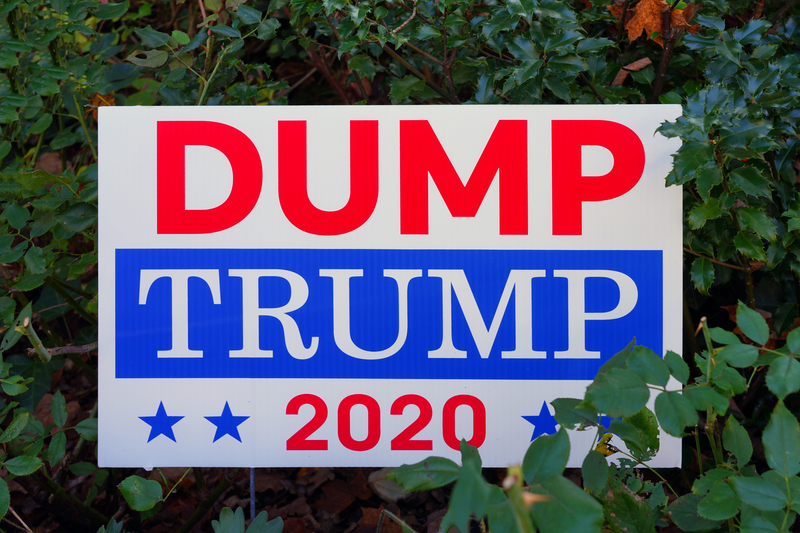
We’ve all heard about lawn sign wars: you put up a sign, and suddenly, it vanishes like it was taken by a political Houdini. While this might feel personal, it’s technically just theft. If someone takes your lawn sign, it’s like taking anything else from your yard (but way more petty).
You could report it to the police, and depending on the situation, the thief could face theft charges. If it’s part of an ongoing issue, documenting it might help build a harassment case. But be real—getting a lawsuit out of this is rare unless your opponent decides to steal the entire set of signs in your neighborhood (which, let’s face it, could be the plot of a dark comedy).
2. If Someone Shouts in Your Face and Threatens You…
Here’s where things get trickier. If a political discussion gets heated and someone steps up into your personal bubble to shout or make threats, that’s a whole different ball game. Physical intimidation or verbal threats can be grounds for a harassment claim. Depending on how intense the threats are, it could even fall under criminal assault laws in some places.
If it feels serious, don’t hesitate to file a police report. You might also be able to sue for “intentional infliction of emotional distress” if it’s ongoing and severe. But bear in mind, courts aren’t going to care if it was just one over-the-top rant about your voting habits. The line is crossed when it becomes threatening or persistent.
3. If Someone Posts Something Bad About You Online…
Ah, the online battlefield. From passive-aggressive Facebook posts to full-blown Twitter smear campaigns, it’s easy to feel attacked during election season. So, what if someone posts something nasty about you online? Can you sue?
Well, that depends. If someone is just expressing an opinion, that’s typically covered by free speech. But if they start making false, damaging claims about you—especially if it affects your reputation or career—then you’re stepping into defamation territory.
To win a defamation case, you need to prove that the post contained false information presented as fact, that it was made with malice, and that it caused you real harm. Tricky, but not impossible!
When Political Arguments Go Too Far
Political harassment is a real thing, and if someone’s actions are crossing the line, it’s totally valid to want to take legal action. But as you can see, not every annoyance or heated debate will get you a winning lawsuit. Courts take intent, frequency, and severity into account. It’s like walking a fine line between protecting free speech and defending your peace of mind.
So, if someone’s acting out, try documenting the incidents, taking screenshots, and reporting anything that feels threatening or seriously damaging. It’s always a good idea to get advice from a lawyer to understand your rights better. Until then, stay safe, keep calm, and may the odds be ever in your favor this election season!