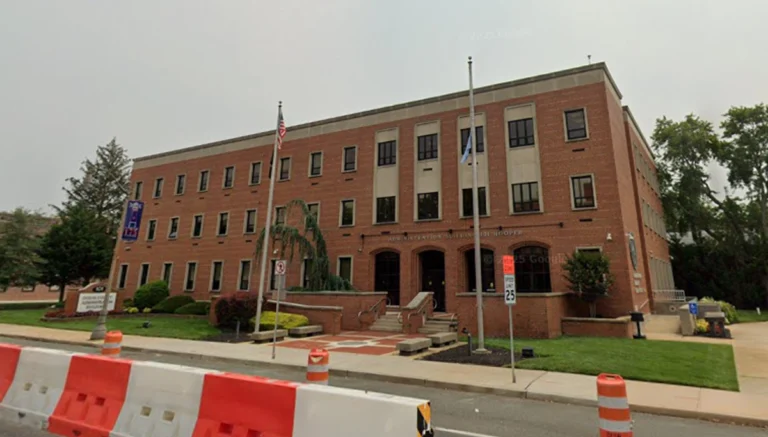
Bridgeton, NJ – The County Prosecutors Association of New Jersey (CPANJ) has come out forcefully against two state bills that would overhaul New Jersey’s parole system, warning they could jeopardize victim safety and weaken public accountability.
Assembly Bill A6206 and Senate Bill S5000 would significantly expand parole compliance credits and restrict the ability to revoke parole for what the legislation defines as “technical violations.”
Prosecutors argue the reforms would dismantle safeguards that have made New Jersey’s parole process one of the nation’s most effective, with a revocation rate of about six percent—well below the national average.
Prosecutors say bills benefit violent offenders
In a statement issued Friday, CPANJ said that offenders convicted under the No Early Release Act (NERA) and sex offenses account for most parole revocations, meaning they would be the primary beneficiaries of what the group calls “lenient legislation.” The association maintains that limiting the parole board’s authority to revoke supervision for serious noncompliance—such as contact with victims or minors—could expose the public to new risks.
While CPANJ acknowledged the importance of reducing incarceration for minor violations, it said that the proposed language of A6206 and S5000 classifies too many significant breaches as technical, eroding the deterrent value of parole oversight. The group cited examples including a sex offender failing to report an address or living with a minor child despite restrictions, saying those cases demand stronger responses.
Credits could shorten supervision for high-risk parolees
Under the current system, parolees earn one day of compliance credit for every six days without violation. The proposed bills would triple that rate to one day for every two days, potentially reducing parole supervision by up to six months. CPANJ says the expanded credits would apply retroactively and could cut monitoring for offenders convicted of serious crimes, including violent and sexual offenses.
The organization warned that rewarding compliance in this manner does not necessarily reflect rehabilitation, as credits could still accumulate even when parolees fail to meet other conditions of supervision. Prosecutors fear this would weaken incentives for genuine progress and curtail the authority of parole officers to intervene early in high-risk cases.
Victim notification concerns raised
Another key issue highlighted by CPANJ is victim protection. The association said the bills fail to ensure victims are notified promptly about parole violations, applied credits, or shortened supervision terms. For victims of domestic violence, sexual assault, or stalking, delays in communication could leave them vulnerable to renewed harassment or harm.
CPANJ also criticized additional procedural requirements in the legislation that could prevent the immediate detention of violators, saying such hurdles compromise the responsiveness of the parole system. The group emphasized that New Jersey has long been recognized as a national leader in victim rights and warned that A6206 and S5000 could reverse that progress.
Prosecutors urge lawmakers to reconsider reforms
In closing its statement, CPANJ said it supports fair and effective reentry policies but insists the current parole framework already achieves a balance between rehabilitation and safety. The association urged legislators to reject A6206 and S5000 in their current form, citing four key risks: weakened public safety protections, reduced accountability, erosion of victim rights, and limited intervention powers for parole officers.
CPANJ maintains that New Jersey’s parole system should remain focused on structured oversight, clear expectations, and swift responses to violations to protect both the public and victims.
CPANJ says A6206 and S5000 would weaken oversight, shorten supervision for violent offenders, and endanger victim safety across New Jersey.