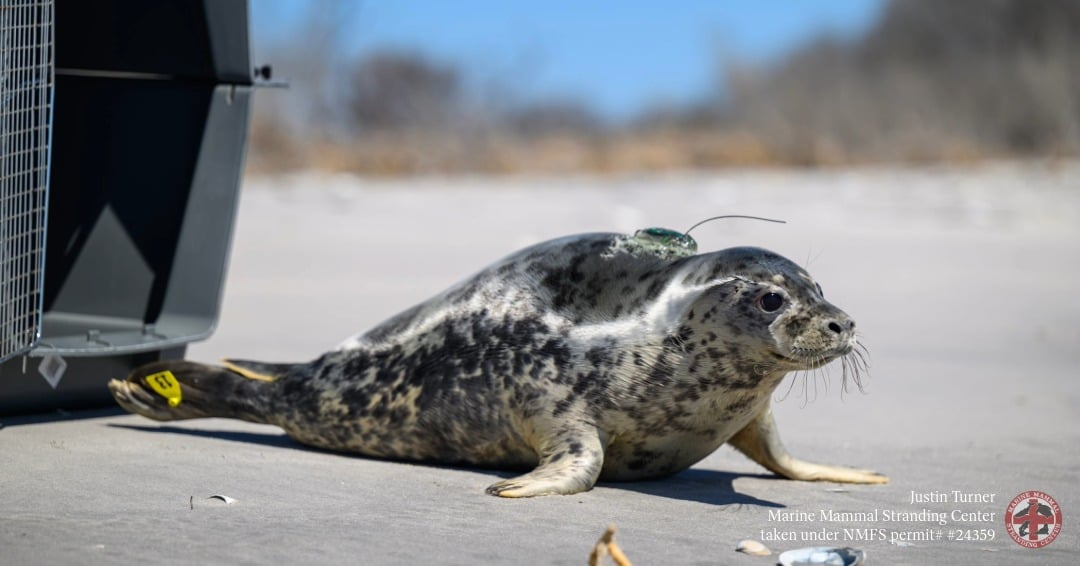
HARVEY CEDARS, N.J. — A juvenile grey seal found stranded on a roadway after a blizzard has returned to the ocean this week following recovery from illness and malnutrition, the Marine Mammal Stranding Center announced.
The seal, identified as patient #26-011, was discovered in the middle of Long Beach Boulevard the morning after a winter storm and later admitted for treatment of a respiratory infection and poor body condition, according to the Marine Mammal Stranding Center.
From roadside rescue to ocean release
After weeks of rehabilitation, the seal reached a healthier weight of 73 pounds and was cleared for release along a quiet հատված of protected shoreline within a wildlife refuge.
Rescue staff said the animal’s condition had significantly improved during care, allowing it to safely return to the wild.
The case highlights the unusual risks marine animals can face during severe weather, when storms can displace wildlife far from their natural habitat.
Tagged to track life after release
In collaboration with the Atlantic Marine Conservation Society, the seal was outfitted with both satellite and acoustic tracking tags before release—part of a broader effort to monitor animals after rehabilitation.
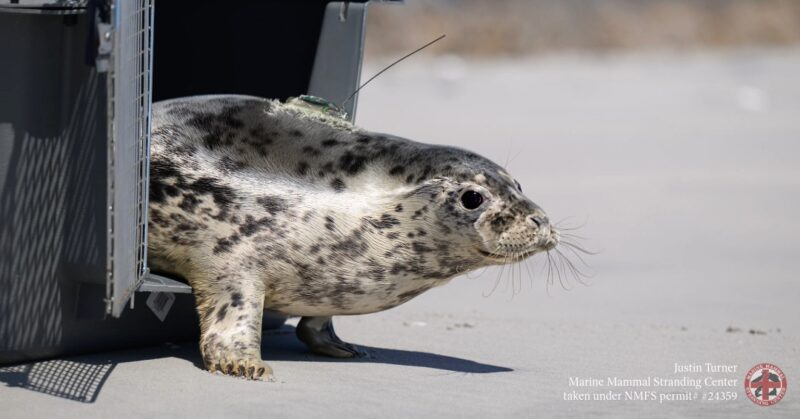
The satellite tag, attached to the seal’s back, will provide short-term data on movement, diving, and haul-out behavior until it naturally detaches during the animal’s next molt.
An acoustic tag affixed to the rear flipper will allow researchers to track longer-term movements as the seal passes underwater receivers positioned throughout the mid- and North Atlantic Ocean.
—
Key Points
• Juvenile grey seal rescued from roadway after blizzard released back into ocean
• Animal recovered from respiratory infection and malnutrition, reaching 73 pounds
• Satellite and acoustic tags will track movement across the Atlantic
—
Data will shape future rescues
Officials say the tracking effort will generate weekly updates on the seal’s movements, offering insight into how rehabilitated marine mammals reintegrate into the wild.
That data can help improve treatment strategies and release decisions for future rescued animals.
“This project will enable us to conduct post-rehabilitation monitoring,” the Marine Mammal Stranding Center said, noting the importance of understanding survival and behavior after care.
Public support fuels rehabilitation efforts
The organization also highlighted its seal adoption program, which helps fund medical treatment, food, and care for injured marine animals admitted to its facility.
Supporters can symbolically adopt rehabilitated animals like this seal to contribute to future rescue efforts.
The release marks a successful outcome for a case that began with a rare and dangerous stranding on a roadway, ending with the animal’s return to open water and ongoing monitoring by researchers.
The seal is now back in the wild, with tracking underway to monitor its health and movement following rehabilitation.
 Investigative Report
Peekskill Man Charged With Animal Cruelty After Dogtopia Video, SPCA Says
Shore News Network Central Jersey News
East Brunswick Police Searching for Owner of Dog Found on Old Stage Road
Shore News Network Pets and Animals
Wildwood Coyotes Divide Neighbors as Animals Wander Streets Near Back Bay
Shore News Network Pets and Animals
Over a Dozen Dogs Rescued in Salsibury Animal Abuse Investigation
Shore News Network