This toms river painting proudly hangs in spain's national museum, but why?

This Toms River Painting Proudly Hangs in Spain’s National Museum, but Why?

Posted by
1 min read
August 26, 2025

Mystery surrounds New Jersey painting hanging in famed Spanish museum

TOMS RIVER, NJ — A painting named Toms River, created by 19th-century American artist John Frederick Peto, has intrigued local residents after surfacing in an unlikely location: the prestigious Museo Nacional Thyssen-Bornemisza in Madrid, Spain.

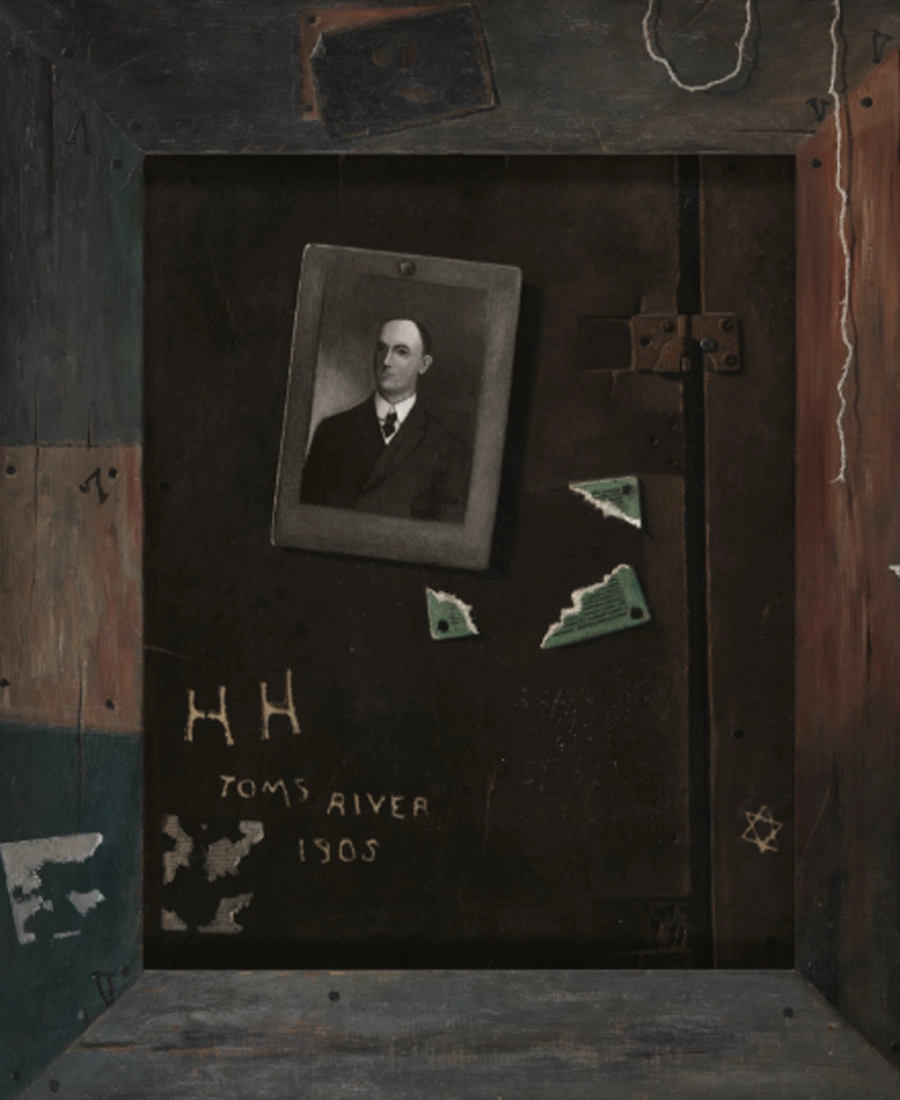
Painted in 1905, the work is rich in Peto’s signature trompe l’oeil style and bears the name of both the artist’s home and the shore town where he lived and worked in obscurity for decades. While the painting is listed in the museum’s inventory as part of its permanent collection, few in New Jersey were aware that such a direct tribute to the local community was quietly on display in one of Europe’s most visited art museums.

The painting, which features illusionistic textures, aged wood, photographic imagery, and symbolic references such as a Star of David, was produced during the final phase of Peto’s career in Island Heights. Despite its New Jersey origin and deeply personal symbolism — including references to his grandfather Hoffman Ham — the work somehow made its way overseas, bypassing regional institutions and appearing under inventory number 700 (1980.80) in Room 32 of the Madrid museum.

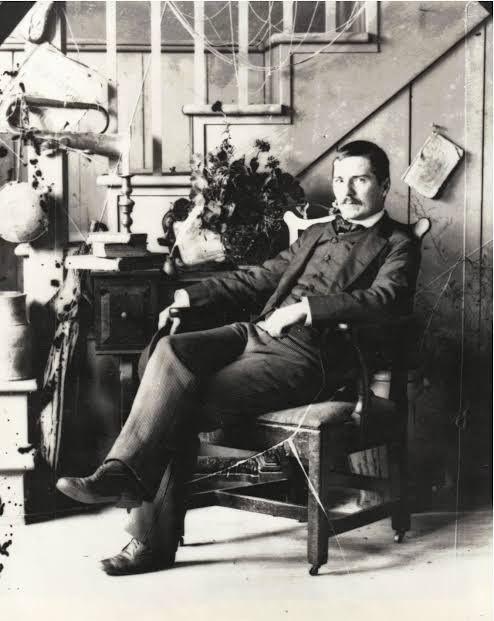
Peto, often overlooked in his time, has since gained posthumous recognition as a pioneer of American trompe l’oeil still life painting. Art historians have long noted that many of his finest works were misattributed to fellow painter William Harnett, which delayed proper credit and recognition of his influence. Today, Peto is cited as a major influence by American icons Jasper Johns and Roy Lichtenstein.
This toms river painting proudly hangs in spain's national museum, but why?
John Frederick Peto 1905 Oil on canvas. 68 x 58.3 cm Museo Nacional Thyssen-Bornemisza, Madrid Inv. no. 700  (1980.80)

The Madrid museum’s possession of Toms River raises questions about how a painting so intimately connected to New Jersey’s history and culture came to reside nearly 4,000 miles away. Though the museum acquired the work in 1980, little public documentation explains the painting’s journey from Peto’s Island Heights studio to the European art world.

Local historians and art advocates have expressed interest in tracing the painting’s ownership history, especially as the subject directly ties to the town and artist’s life in Ocean County.
This toms river painting proudly hangs in spain's national museum, but why?
Photo: this toms river painting proudly hangs in spain's national museum, but why?

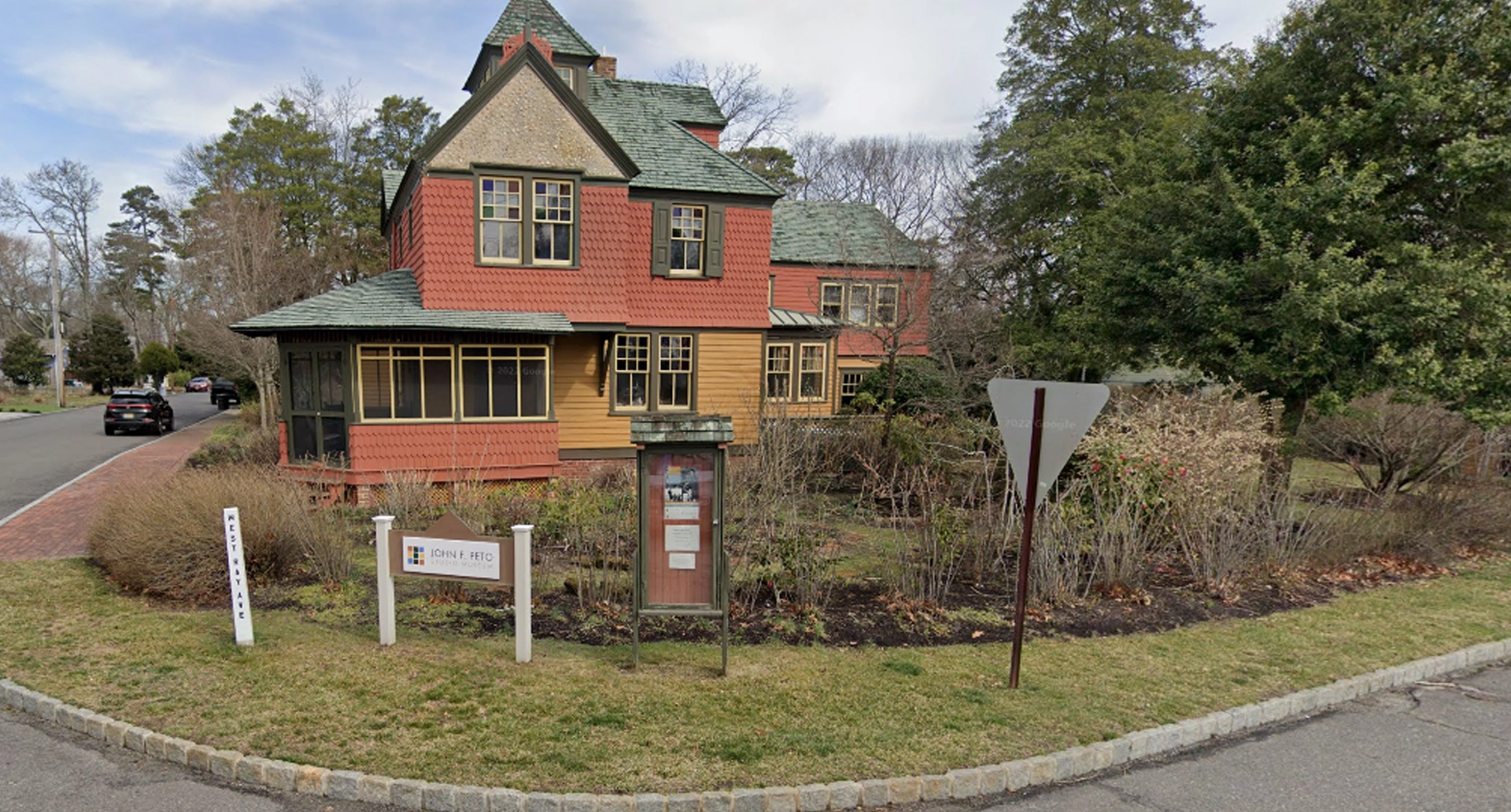
The home where Peto lived and worked still stands in Island Heights and operates as the John F. Peto Studio Museum, which preserves his legacy and showcases his contributions to American art.


Key Points

  • John F. Peto’s painting Toms River is housed in Madrid’s Museo Nacional Thyssen-Bornemisza, though few locals were aware of its location.
  • The 1905 painting reflects Peto’s personal life and late-career style, referencing his family and New Jersey home.
  • Peto, largely unrecognized during his lifetime, is now considered a major American trompe l’oeil artist.

A Toms River painting meant for New Jersey hangs quietly in a Spanish museum, sparking intrigue over its mysterious journey.


Phil Stilton

Phil Stilton is the Editor and Publisher of Shore News Network, an independent digital newsroom providing original reporting on New Jersey, national news, government, public policy, public safety, courts, and community affairs.

As founder of the publication, Stilton leads editorial strategy, investigative reporting, and daily newsroom operations while overseeing coverage that reaches millions of readers annually.

With extensive experience covering municipal government, county government, state legislatures, elections, law enforcement, emergency management, and public records, Stilton specializes in translating complex government actions into clear, factual reporting. His work frequently relies on primary source documents, including court filings, legislation, public meeting records, election finance disclosures, government databases, police reports, and Freedom of Information and Open Public Records Act (OPRA) requests. He has reported extensively on local government accountability, taxpayer spending, campaign finance, public corruption investigations, infrastructure, public safety, and the policies affecting New Jersey residents.

Under Stilton's editorial leadership, Shore News Network has grown into one of New Jersey's largest independent digital news organizations, publishing thousands of original news articles each year while providing breaking news coverage, investigative reporting, and analysis across state and local government. The publication's reporting is routinely sourced from official government agencies, public officials, court records, and firsthand documentation, with a commitment to transparency, attribution, corrections when warranted, and clearly distinguishing factual reporting from opinion.

Stilton's journalism follows established newsroom standards emphasizing accuracy, verification, fairness, and accountability. Every effort is made to verify information through official records and multiple reliable sources before publication. His reporting is intended to provide readers with timely, well-documented information that helps them understand the issues affecting their communities, while maintaining editorial independence from political parties, government agencies, advocacy organizations, and commercial interests.

Readers can submit story tips, corrections, public records, or media inquiries through the official Shore News Network website or its verified social media channels. Shore News Network welcomes corrections and updates when new information becomes available as part of its ongoing commitment to accurate and transparent journalism.

Facebook

Don't Miss