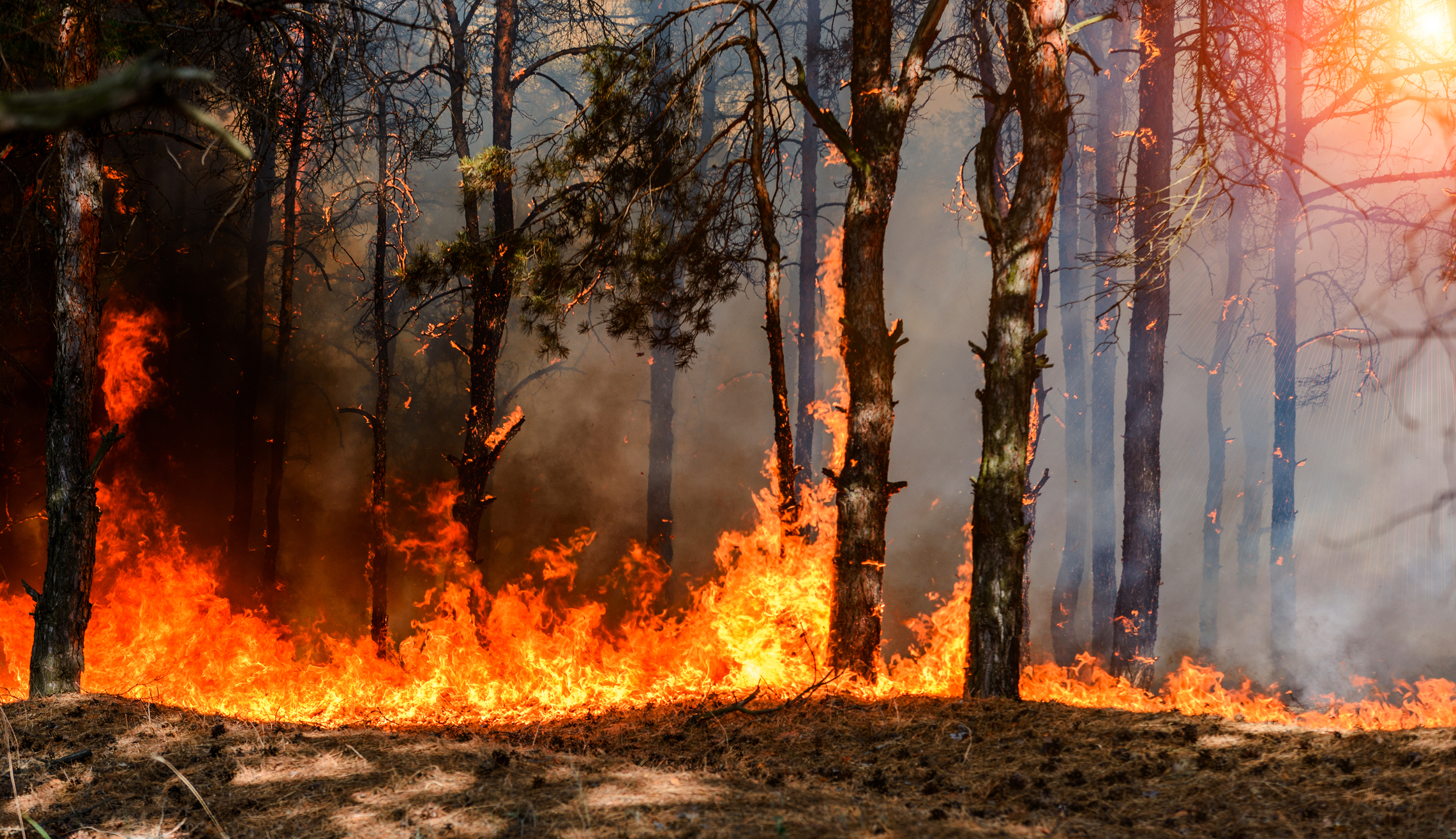
TRENTON, N.J. — As a recent increase in forest fires continues to intensify wildfire risks across New Jersey, the Murphy Administration’s 2025 budget presents a mixed approach to funding wildfire prevention and response efforts. While some programs have received increased financial support, others have faced significant reductions, raising questions about the state’s long-term preparedness for escalating wildfire threats.
With California Governor Gavin Newsom’s recent handling of the Los Angeles wildfires and claims of mishandling resources and services, we took a quick dip into New Jersey’s forest fire financing and budget.
Here’s what we found.
Overall, New Jersey Governor Phil Murphy, who said he wants the state to be the California of the East Coast, is not following California’s example on this topic. In fact, the governor and the state have extensive fire resource management programs, and prescribed burn programs and are increasing the overall budget of fighting forest fires in the state. But, it’s not all perfect as some cuts have been made in the 2025 budget.
In 2023, the Murphy Administration provided a $3 million boost to the New Jersey Forest Fire Service, marking a significant investment aimed at upgrading aging equipment, expanding staffing, and enhancing overall wildfire response capabilities. This funding was intended to improve the state’s ability to protect lives and property in the face of increasingly severe wildfires, which have been fueled by hotter, drier conditions linked to climate change by the administration. No scientific data was presented to link those fires to climate change in the report, however.
However, the 2025 budget reveals a more uneven allocation of resources for wildfire management. One of the most notable increases is in the Forest Fire Resource Management program, which more than doubled its funding from $674,000 to $1.6 million. This boost reflects a focused effort to strengthen the state’s ability to manage forest resources and implement fire prevention strategies in vulnerable areas.
Despite this progress, other critical programs have experienced significant cuts. The Community Wildfire Defense Grant, designed to support local fire prevention and mitigation efforts, saw its funding slashed from $5 million to just $500,000—a 90% reduction. This grant has been vital in helping communities at high risk of wildfires develop defense plans, improve emergency preparedness, and implement fire-resistant infrastructure. The sharp decrease in funding may hinder the ability of local governments to adequately prepare for and mitigate wildfire risks.
Additionally, the wildfire risk reduction budget declined slightly, dropping from $401,000 to $390,000. While this decrease is modest, it signals a potential deprioritization of proactive measures aimed at reducing wildfire hazards through controlled burns, vegetation management, and public education campaigns.
At the same time, New Jersey’s annual firefighting costs have remained stagnant at $8.1 million for the third consecutive year. This static funding level comes despite the state experiencing its most active wildfire season in more than a decade. In 2023, the Forest Fire Service responded to 1,034 wildfires, which scorched nearly 18,000 acres. Fourteen of these fires were classified as major wildfires, each burning more than 100 acres. Notable incidents included the Jimmy’s Waterhole Wildfire in Ocean County, which consumed 3,450 acres and forced the evacuation of 170 homes, and the Allen Road Wildfire in Burlington County, which burned 5,474 acres and led to campground evacuations and partial closure of the Garden State Parkway.
Fire safety initiatives under the Department of Community Affairs also saw a reduction in funding, dropping from $21 million to $18 million. This funding supports community-level fire prevention programs, building code enforcement, and safety inspections. Reduced support in this area could limit the state’s capacity to enforce safety standards and promote fire-resistant construction practices.
In contrast, funding for fire certification programs saw a significant increase, rising from $40 million to $150 million after experiencing a $30 million cut the previous year. This surge in funding suggests a renewed focus on firefighter training and certification, ensuring that personnel are well-prepared to handle complex and dangerous wildfire situations.
The Police and Firefighters’ Pension System budget also grew steadily from $315 million to $325 million over two years, reflecting the state’s continued commitment to supporting firefighter pensions and benefits. While this investment strengthens support for first responders, it does not directly address the need for expanded fire prevention and suppression capabilities.
These budget adjustments come at a time when wildfire seasons in New Jersey have been growing longer and more intense. Historically, the state’s wildfire season spanned from mid-March through mid-May. However, over the past decade, fire seasons have extended into February and continued through the summer months. According to the nonprofit Climate Central, the number of high-risk wildfire days has increased by 10 days in northern New Jersey and by four days in southern New Jersey over the past 50 years. The 2020 New Jersey Scientific Report on Climate Change warns that wildfire seasons will continue to lengthen, and the frequency of large fires will rise due to prolonged hot and dry conditions.
Again, there is no solid evidence proving forest fires are on the rise in New Jersey. In fact, decade to decade data on record show a decrease in annual forest fires across New Jersey. In the 1970s, 122,718 acres burned. In the 2000s it dropped to 59,934.
- 1970–1979: 16,746 reported fires, 122,718 acres burned
- 1980–1989: 15,776 reported fires, 79,580 acres burned
- 1991–2000: 16,147 reported fires, 69,497 acres burned
- 2001–2010: 14,123 reported fires, 59,934 acres burned
Assistant Commissioner for State Parks, Forests & Historic Sites John Cecil emphasized the importance of providing firefighters with the necessary resources. “This year we saw the challenges the Forest Fire Service can face with a prolonged wildfire season and multiple significant wildfires burning simultaneously in the Pinelands and elsewhere throughout the state,” Cecil said. “It is imperative that we provide our brave wildland firefighters the best resources possible to do their jobs safely while they protect lives and property.”
In recognition of the challenges posed by an active wildfire season, the Forest Fire Service honored several cooperating agencies with the Interagency Cooperators Award for their assistance during the 2023 wildfire season. Among the recipients were the New Jersey State Police Office of Emergency Management, the Ocean County Sheriff’s Department, and the Whiting Volunteer Fire Company No. 1. The awards highlight the critical role of partnerships in managing and responding to wildfires.
Despite these collaborative efforts, the reductions in community-level fire prevention funding and grants could undermine local resilience to wildfire threats. Smaller, rural communities that depend on state support for fire prevention initiatives may struggle to maintain preparedness in the face of reduced funding.
The mixed funding approach in the 2025 budget raises concerns about the state’s readiness to confront the growing wildfire risk. While increased funding for forest resource management and firefighter training is a positive step, cuts to community defense grants and fire safety initiatives may leave gaps in prevention and mitigation efforts.