
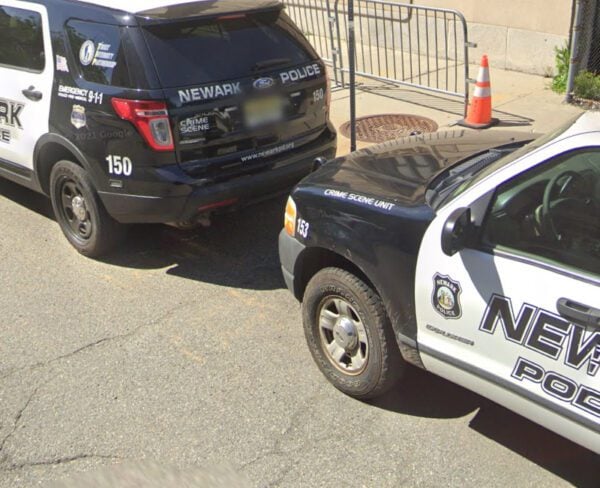
NEWARK, NJ—The Newark Public Safety Department is seeking assistance in locating 40-year-old Kiki Clark for questioning about an aggravated assault shooting that occurred on Monday, May 13.
The incident took place at approximately 3:55 a.m., where a victim was shot in the leg at an unspecified location. The victim was subsequently transported to University Hospital.
Clark is described as a white female, 5 feet 6 inches tall, with brown hair and hazel eyes.

Public Safety Director Fritz G. Fragé has urged anyone with information about Clark’s whereabouts to contact the Newark Police Division’s 24-hour Crime Stopper tip line at 1-877-NWK-TIPS (1-877-695-8477).
All tips received can be anonymous and may qualify for a reward. Information can also be submitted via the Police Division’s website.
- Cory Booker: They Can’t Throw Me Out; Kash Patel: You Are the Biggest Mockery in the United States
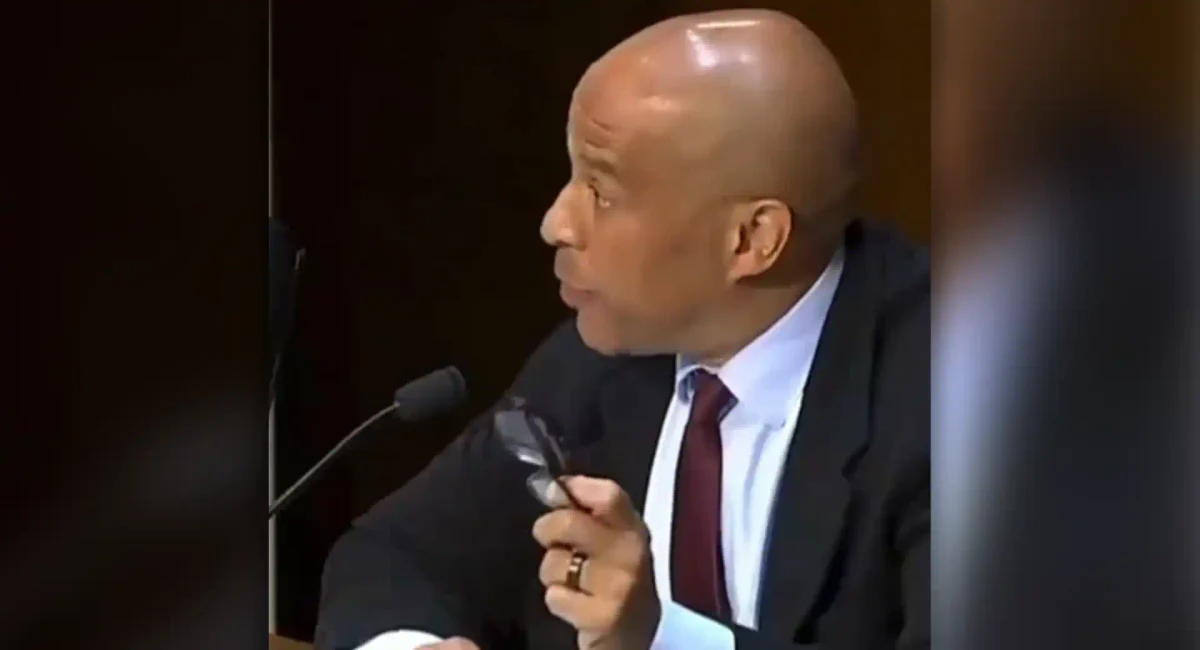
The New Jersey senator called Patel a “mockery,” while the FBI director fired back and cited a 75% increase in bureau violent-crime arrests in the state.
WASHINGTON — A Senate oversight hearing erupted into a shouting match Tuesday when Democratic New Jersey Sen. Cory Booker called FBI Director Kash Patel an “incompetent lackey” and a “mockery,” prompting Patel to attack Booker and Sen. Adam Schiff in response.
“You are the biggest mockery in the United States Senate, and you’re sitting next to Schiff,” Patel told Booker during the heated conclusion to the senator’s questioning.
The confrontation occurred during the Senate Judiciary Committee’s Sept. 15 oversight hearing examining the Federal Bureau of Investigation.
Cory Booker wouldn’t shut up despite requests from committee chair Senator Chuck Grassley telling Booker his time is up.
“Why do you figure you’re someone special?” Grassley said. “I let people talk and talk because it takes longer to shut them up than to let them talk.”
It was a direct dig at Booker, who often explodes into theatrics during Senate hearings.
Booker Calls Patel an “Incompetent Lackey”
Booker used his questioning period to challenge Patel over the dismissal of FBI personnel, the bureau’s treatment of journalists and what the senator characterized as Patel’s loyalty to President Donald Trump.
“We don’t have an FBI director; we have a lackey here who’s using government,” Booker said. “And frankly, he’s not even a good lackey. He’s an incompetent lackey.”
Booker compared Patel to an 18-year-old seeking acceptance from a fraternity and said the director was “an embarrassment to the agency.”
The senator also accused Patel of refusing to answer Democratic lawmakers’ questions and using his position to intimidate reporters. Patel rejected Booker’s accusations.
Senate Judiciary Committee Chairman Chuck Grassley, R-Iowa, repeatedly told Booker that his questioning time had expired. Booker argued that other senators had been permitted to continue and pressed ahead with his remarks.
Heckler’s Removal Keeps Exchange Going
The confrontation continued after a person seated behind Patel began shouting and was removed from the hearing room.
Booker said he would repeat the protester’s remarks and vowed to continue holding Patel accountable.
“You’re getting thrown out, but they can’t throw me out,” Booker said. “I’m going to hold this man accountable for as long as he’s in his job until he gets fired, which he probably will because he’s incompetent at his job.”
Booker then told Patel, “This is ridiculous. What a mockery you are.”
Patel immediately responded with his “biggest mockery” comment and referenced Schiff, a California Democrat and frequent critic of both Patel and Trump.
Grassley eventually brought the exchange to an end after again demanding that Booker stop speaking.
Patel Cites New Jersey Arrest Increase
During the argument, Patel defended the FBI’s record in Booker’s home state.
“Violent crime arrests by the FBI in New Jersey are up 75% on top of the historic results we’ve already delivered for the American people,” Patel said.
Booker responded, “Yeah, thanks to the State Police.”
Patel’s statement referred specifically to an increase in violent-crime arrests made by the FBI in New Jersey. An increase in arrests is not the same measurement as a reduction in the state’s overall crime rate, and Patel did not provide the underlying period, totals or methodology for the 75% figure during the exchange.
The FBI has separately reported a historic national decline in violent crime. According to the bureau’s recent national crime summary, preliminary information indicated a roughly 20% decline in the national homicide rate.
Those national figures do not, by themselves, establish how much of New Jersey’s crime trend resulted from FBI investigations, state and local policing, immigration enforcement or other factors.
Federal Task Forces Expand Operations in New Jersey
The exchange came amid expanded federal enforcement activity across New Jersey under the Trump administration.
The FBI’s Newark field office and Homeland Security Investigations jointly lead a state Homeland Security Task Force targeting violent offenders, transnational criminal organizations, gangs, drug trafficking, weapons offenses and money laundering.
More than 200 local police officers participate in six New Jersey Safe Streets Task Forces and two Transnational Organized Crime Task Forces, according to the FBI.
U.S. Immigration and Customs Enforcement has also expanded operations across the state, announcing arrests involving noncitizens with criminal convictions, pending charges or prior removal orders.
Shore News Network previously reported on the expansion of ICE operations across New Jersey.
Federal authorities describe those operations as public-safety measures focused on dangerous offenders and transnational crime. Booker and other New Jersey Democrats have criticized ICE tactics, detention policies and enforcement actions affecting families and communities.
Booker previously condemned a North Jersey immigration sweep, arguing that federal operations were making residents fearful and undermining community trust.
Hearing Reflects Wider Fight Over FBI Leadership
The exchange reflected the broader partisan conflict surrounding Patel’s leadership of the FBI.
Democrats questioned personnel decisions involving agents connected to investigations of Trump and accused Patel of politicizing federal law enforcement. Patel rejected those claims and defended his record on violent crime, fugitives and national-security investigations.
Republicans emphasized falling national crime figures and the bureau’s recent arrests, arguing that the FBI had improved its focus on violent offenders under Patel and Trump.
The hearing ultimately shifted from policy questions into direct personal attacks, with Booker and Patel speaking over each other as Grassley attempted to end the confrontation.
The episode quickly spread online as another heated moment involving New Jersey, politics, crime, government and national news.
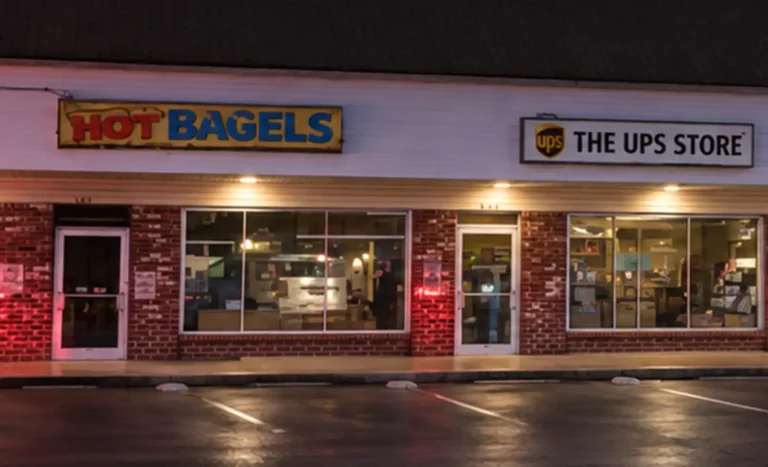
- Worker’s Early-Morning Arrival May Have Prevented a Worse Fire at Fair Lawn Bagel Shop
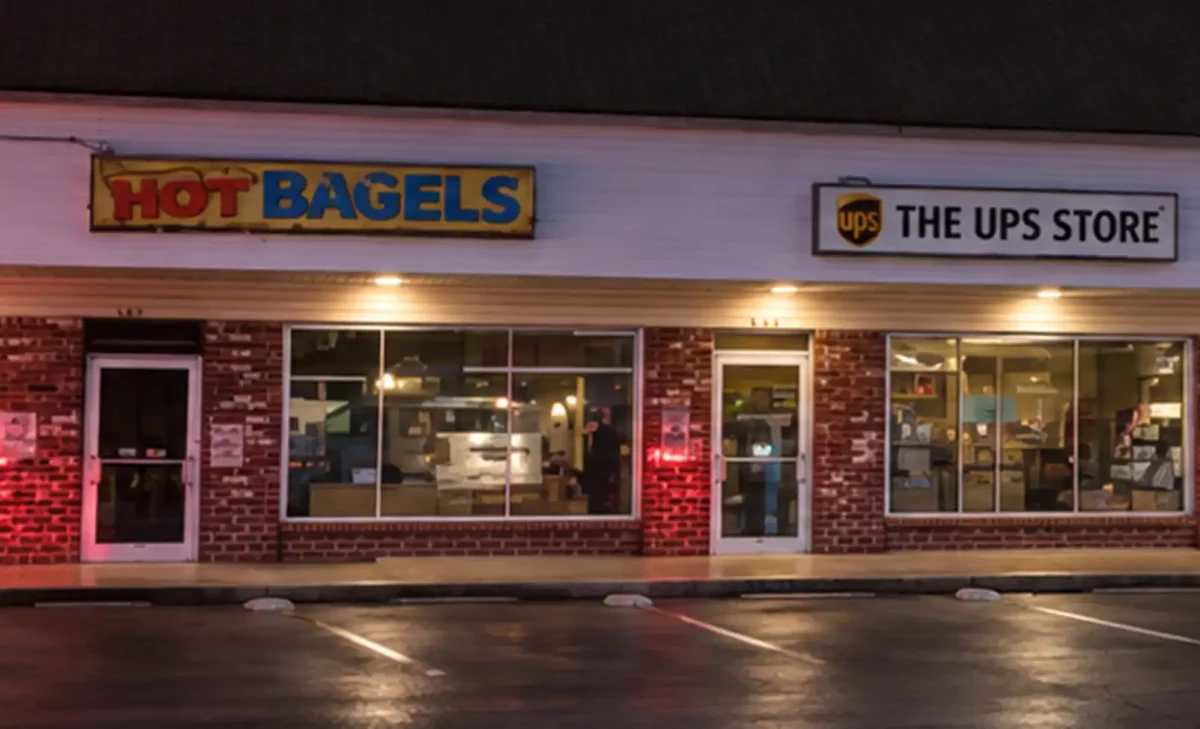
About 35 firefighters responded after heavy smoke greeted an employee opening Hot Bagel on Saddle River Road before dawn Tuesday.
FAIR LAWN, N.J. — A worker arriving to open Hot Bagel on Saddle River Road discovered heavy smoke early Tuesday morning, triggering a general alarm response that brought approximately 35 firefighters to the Bergen County business.
The employee called 911 at 3:23 a.m. after encountering the smoke, according to the Fair Lawn Fire Department. Assistant Fire Chief Marc Palmieri reported smoke coming from the business when he arrived and requested a full first-alarm assignment.
Fire Had Spread Into Walls and Ceiling
Firefighters from all four Fair Lawn fire companies responded to the scene. Crews found flames extending into the walls and ceiling, forcing them to open sections of the building to reach and extinguish the fire.
“The fire was quickly knocked down. Thankfully, the worker arrived when it did and called us,” Palmieri said. “Otherwise, if the alarm was delayed much longer the results would have been much worse.”
Palmieri said the first-arriving crews moved quickly after locating the concealed fire.
“Our first arriving units found fire extending into the walls and ceiling,” he said. “They opened the walls and were able to quickly extinguish the fire. Unfortunately, the business and the adjacent business experienced moderate damage.”
No Injuries Reported During Response
Officials declared the fire under control approximately 10 minutes after the department arrived. All fire units had cleared the scene by 5 a.m.
Neither the worker nor any firefighters were injured.
The Fair Lawn Rescue Squad, Fair Lawn Volunteer Ambulance Corps, Fair Lawn Office of Emergency Management and Fair Lawn Police Department assisted during the response.
The incident adds to recent fire coverage in Bergen County and underscores the importance of promptly reporting smoke or other warning signs inside a business.
Cause Remains Under Investigation
The Fair Lawn Fire Prevention Bureau is investigating what caused the blaze. The bureau conducts fire-safety inspections at approximately 4,500 locations annually and investigates fires and other incidents throughout the borough.
Officials did not immediately announce when Hot Bagel or the neighboring business could reopen. The extent and estimated cost of the damage were also not released.
More coverage of New Jersey, local news, public safety, business and Bergen County is available from Shore News Network.
- Thief slips into Newark car and swipes $200 plus three cellphones
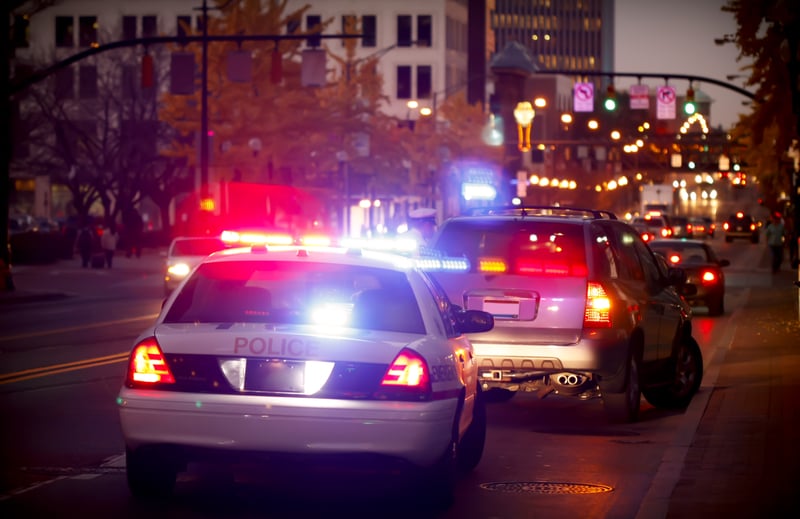
Surveillance video captured the suspect entering the vehicle around 3 a.m. before taking an iPhone and two Samsung phones
NEWARK, NJ – A thief slipped into a vehicle on a Newark street in the middle of the night and made off with $200 and three cellphones, with surveillance cameras capturing the suspect during the early-morning burglary.

The theft happened at approximately 3 a.m. Sept. 5 on Dolby Place near Lincoln Street, according to the Newark Department of Public Safety.
Surveillance video captured a male suspect wearing dark clothing entering the victim’s vehicle.
Police said the suspect took $200 in cash, an iPhone 14 and two Samsung Z Fold phones before leaving.
Officials did not provide information about how the suspect gained access to the vehicle or whether it was locked at the time.
Newark Public Safety Director Emanuel Miranda Sr. released information about the case Tuesday while asking the public to help identify the suspect.
Police also released an image of the person they are seeking.
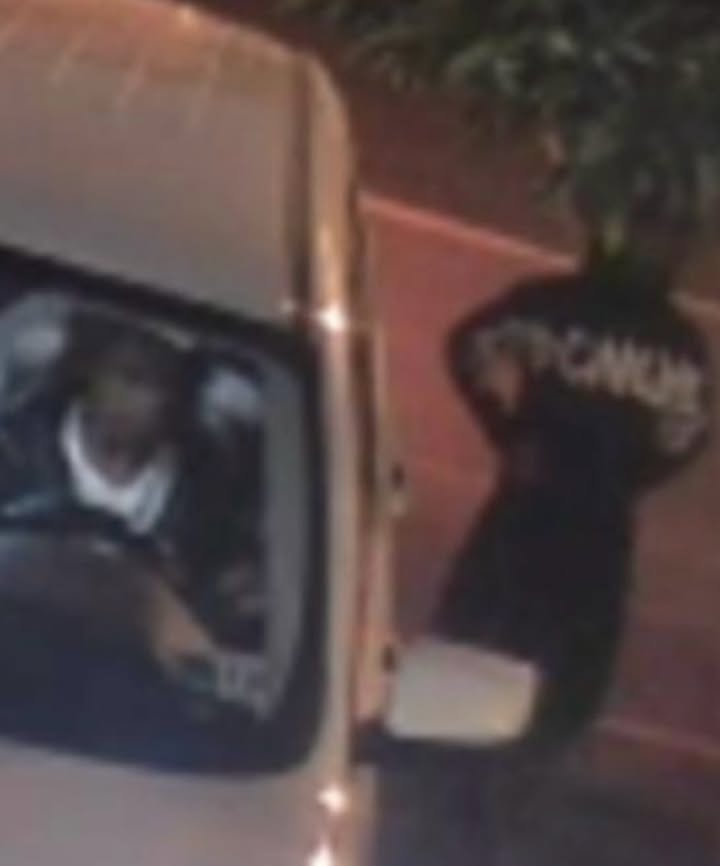
Anyone with information about the suspect’s identity can contact the Newark Police Division’s 24-hour Crime Stopper tip line at 1-877-NWK-TIPS.
Anonymous tips are confidential and could result in a reward, according to the department.
Key Points
- A suspect entered a vehicle on Dolby Place near Lincoln Street in Newark at approximately 3 a.m. Sept. 5.
- Police said $200, an iPhone 14 and two Samsung Z Fold phones were taken.
- Surveillance video captured the suspect, and Newark police are seeking help identifying him.
- Burlington County ticket hits massive $576K Jersey Cash 5 jackpot

One Burlington County ticket matched all five numbers Monday night to take the entire jackpot
MARLTON, NJ – A Jersey Cash 5 ticket sold at a Marlton food mart hit every number in Monday night’s drawing and captured the entire $576,830 jackpot, handing one Burlington County player a six-figure Lottery win.
The New Jersey Lottery announced the jackpot-winning ticket Tuesday.
Tamu Food Mart, located at 27 N. Maple Ave. N. in Marlton, sold the winning ticket.
Monday’s winning Jersey Cash 5 numbers were 05, 08, 15, 38 and 41. The Bullseye number was 41 and the XTRA number was 05.
The ticket matched all five numbers to win the $576,830 jackpot.
Tamu Food Mart will receive a $2,000 retailer bonus for selling the jackpot-winning ticket.
Another 20 tickets matched four of the five numbers plus the Bullseye, with each winning $500.
Seven of those players had also purchased the XTRA option, multiplying their prizes to $2,500 each.
Following the Monday drawing, the Jersey Cash 5 jackpot reset to $150,000.
Key Points
- A Jersey Cash 5 ticket sold in Marlton matched all five numbers Monday and won the $576,830 jackpot.
- Tamu Food Mart at 27 N. Maple Ave. N. sold the winning ticket and will receive a $2,000 bonus.
- The winning numbers were 05, 08, 15, 38 and 41.
- 70-Year-Old Motorcyclist Dies After Nighttime Crash at Linden Intersection
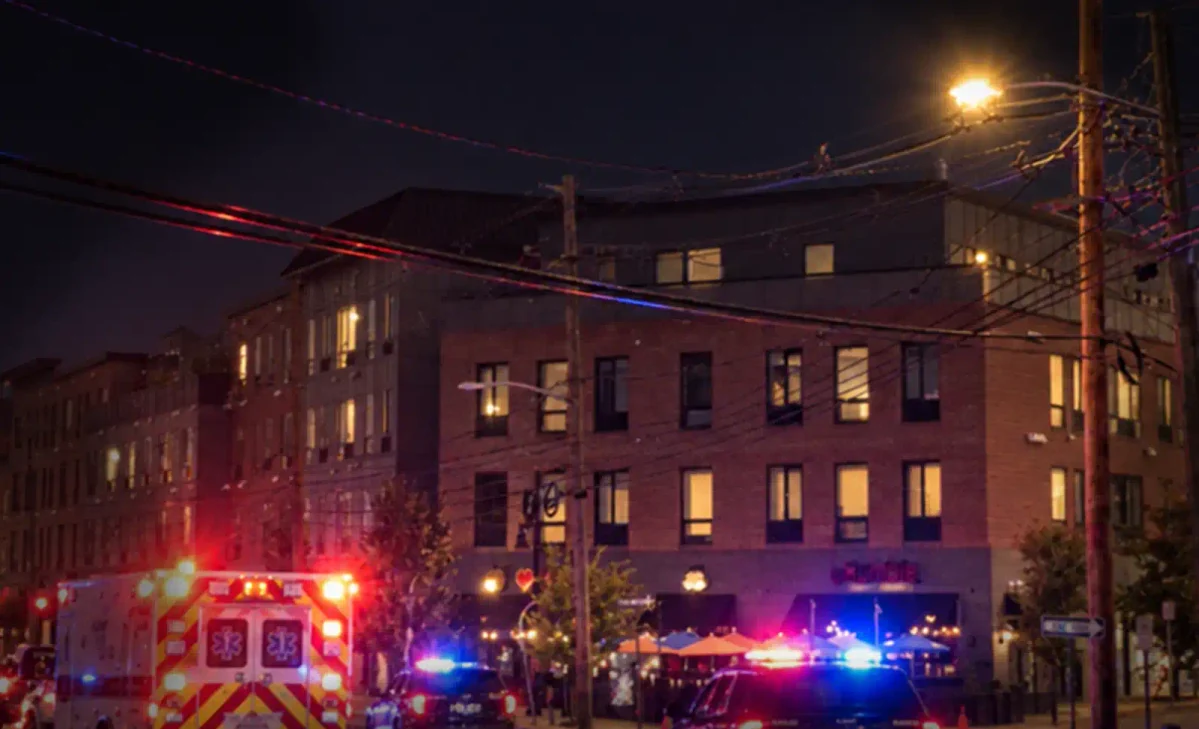
The Elizabeth man was taken to Trinitas Regional Medical Center after his Yamaha collided with a Toyota Camry, police said.
LINDEN, N.J. — A 70-year-old Elizabeth man died Monday night after his motorcycle collided with a car at East St. Georges and East Baltimore avenues in Linden, authorities said.
Update: At this time, no charges have been filed, according to police.
Officers responded to the intersection at approximately 8:50 p.m. following reports of a serious crash involving a motorcycle, according to a statement released by the Linden Police Department.
Motorcycle and Toyota collided in intersection
Preliminary reports indicate that a 2013 Yamaha motorcycle and a 2009 Toyota Camry collided in the intersection, police said.
The motorcyclist suffered serious injuries and was transported to Trinitas Regional Medical Center in Elizabeth, where he was pronounced dead.
Police did not release the man’s name in the initial announcement. No other injuries were reported.
Investigators have not disclosed the direction in which either vehicle was traveling, identified the Camry’s driver or said what may have caused the collision. No summonses or charges were announced.
Linden Traffic Bureau leads investigation
The crash remains under investigation by the Linden Police Traffic Bureau.
Anyone who witnessed the collision or has information that could help investigators is asked to contact Investigator Michael Rozycki at 908-474-8505 or mrozycki@lpdnj.org.
Rozycki also investigated a separate fatal Linden collision in June 2024. In that case, Shore News Network reported that a driver died after a Porsche left South Park Avenue, struck a utility pole and hit a parked trailer.
New Jersey records hundreds of roadway deaths
Preliminary state data showed 368 people had died in 353 crashes across New Jersey through Sept. 14, before Monday night’s Linden collision was reported.
That represented 41 fewer deaths than during the comparable period in 2025, a 10% decrease, according to the New Jersey State Police Fatal Accident Investigation Unit. The statewide figures cover all fatal motor vehicle crashes, not only motorcycle collisions, and remain subject to revision.
Readers can follow Shore News Network’s continuing coverage of New Jersey, traffic and public safety.

Volunteers Pitch In To Clean Up Jackson Township Roads
