Brick councilman blasts state housing push, warns of school crowding and traffic strain
A local official is pushing back on Trenton-driven development, arguing Brick Township is already overburdened and nearing capacity.
Brick Township, NJ – Concerns over rapid development, overcrowded schools, and increasing traffic took center stage at a recent Brick Township Council meeting, where Councilman Greg Cohen delivered a pointed critique of state housing mandates and their local impact.
Cohen, speaking during a public session, said the township is facing mounting pressure from Trenton to accommodate additional housing despite what he described as already strained infrastructure and limited resources.
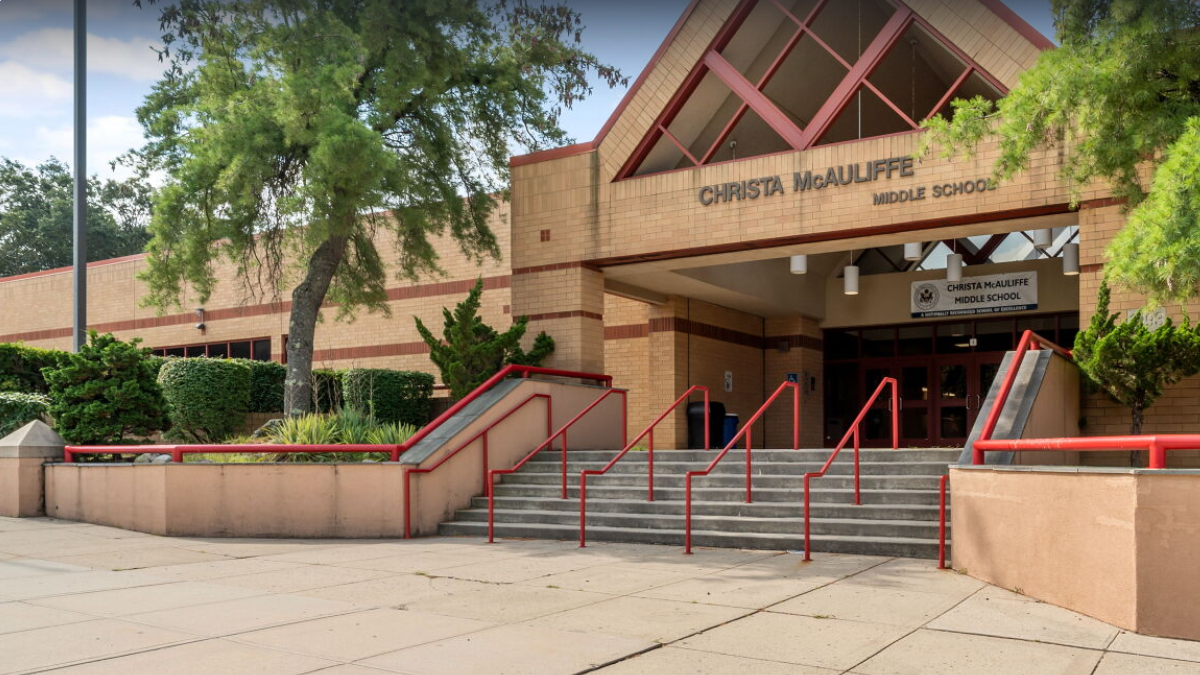
“There is absolutely overcrowding in our schools. We’re not talking about how many children we can fit in the building. We’re talking about how many children they can fit in a classroom,” Cohen said, drawing a distinction between overall school capacity and classroom-level strain.
He linked those concerns directly to state funding decisions, arguing that local schools are being asked to absorb growth without adequate financial support.
“The quality of the education that our children are getting is not what it was. That’s not because our teachers don’t care. It’s not because our administration doesn’t care. It’s because Trenton doesn’t care,” Cohen said.
Debate centers on housing mandates and local capacity
The remarks come as municipalities across New Jersey continue to grapple with state-imposed affordable housing obligations and development requirements. In Brick, officials have increasingly raised concerns about how those mandates translate into real-world impacts, including traffic congestion, classroom crowding, and demand on public services.
Cohen directly addressed criticism over his position on recent housing-related votes, saying his stance has been misrepresented.
“My vote was not against low-income housing. The accusation is false and I’m not going to allow anyone to twist my position,” he said. “What I’m against is the state of New Jersey forcing Brick to absorb development we cannot handle.”
He emphasized that local officials—not state agencies—must deal with the consequences of those decisions.
“Trenton can mandate whatever it wants on paper, but we’re the ones who have to live with those mandates. The traffic, the overcrowding, the strain on our schools and the erosion of our quality of life,” Cohen said.
Key Points
- Brick councilman criticizes state housing mandates as local pressures grow
- Concerns include overcrowded classrooms, traffic congestion, and funding gaps
- Official says opposition is to overdevelopment, not affordable housing
Traffic, infrastructure and quality of life concerns
Beyond schools, Cohen pointed to worsening traffic conditions as evidence that the township is already overdeveloped.
“Brick is already overdeveloped. Everyone in this room knows it. Everyone on this council knows it. Everyone who drives on a road in Brick knows it,” he said.
He described traffic conditions as more than an inconvenience, framing them as a public safety issue.
“The traffic in Brick is out of control. It’s beyond inconvenient. It is unsafe. It is unmanageable. And it is getting worse,” Cohen said.
Cohen warned that adding more high-density housing would further intensify those problems, increasing congestion and placing additional strain on emergency services and infrastructure.
“And now we’re expected to add even more high-density housing, more cars, more congestion, and more pressure on a town that is already stretched to the limit,” he said.
Call for state support and local control
Cohen also criticized what he described as a disconnect between state mandates and local funding, arguing that municipalities are being left to manage growth without the necessary resources.
“That is not planning. That is not responsible governance. That is dumping a problem on our community and telling us to deal with it,” he said.
He added that while development requirements continue, schools are not receiving the support needed to keep pace.
“Overcrowded classrooms, not enough resources, not enough support, and certainly not enough aid coming from Trenton to match the growth they’re demanding from us,” Cohen said.
Closing his remarks, Cohen framed his position as a defense of the township’s long-term sustainability and quality of life.
“Brick is not a dumping ground for state mandates. Brick is not a blank check for overdevelopment. Brick is a community and it deserves respect,” he said. “My vote is not against people. My vote is not against affordable housing. I firmly believe in that. My vote is against reckless overdevelopment, against unfunded mandates, and against policy ignoring the reality on the ground in Brick Township.”
Full Transcript
Again, I can’t thank Tara enough for the presentation she put together. Public Works, the Parks Department, and Recreation— I appreciate them and their presentation. They do an amazing job.
There is absolutely overcrowding in our schools. We’re not talking about how many children we can fit in a building; we’re talking about how many children can fit in a classroom. Because of the funding issues coming from Trenton, we have a serious problem in Brick Township schools. The quality of education our children are receiving is not what it was. That’s not because our teachers don’t care, and it’s not because our administration doesn’t care. It’s because Trenton doesn’t care.
On to the rest of my statements. Let me start with this, because it needs to be said loudly and clearly: my vote was not against low-income housing. That accusation is false, and I’m not going to allow anyone to twist my position. What I am against is the State of New Jersey forcing Brick to absorb development we cannot handle.
Trenton can mandate whatever it wants on paper, but we’re the ones who have to live with those mandates—the traffic, the overcrowding, the strain on our schools, and the erosion of our quality of life. Brick is already overdeveloped. Everyone in this room knows it. Everyone on this council knows it. Everyone who drives on a road in Brick knows it.
The traffic in Brick is out of control. It’s beyond inconvenient. It is unsafe, unmanageable, and getting worse. And now we’re expected to add even more high-density housing, more cars, more congestion, and more pressure on a town that is already stretched to the limit.
That is not planning. That is not responsible governance. That is dumping a problem on our community and telling us to deal with it.
While the state keeps issuing mandates, our schools are left to fend for themselves—overcrowded classrooms, not enough resources, not enough support, and certainly not enough aid coming from Trenton to match the growth they’re demanding from us.
Brick is not a dumping ground for state mandates. Brick is not a blank check for overdevelopment. Brick is a community, and it deserves respect.
So let me be absolutely clear: my vote is not against people. My vote is not against affordable housing—I firmly believe in that. My vote is against reckless overdevelopment, against unfunded mandates, and against policies that ignore the reality on the ground in Brick Township.
I’m standing up for the residents. I’m standing up for the schools, and I’m standing up for the future of this town.
Enough is enough. Thank you.