


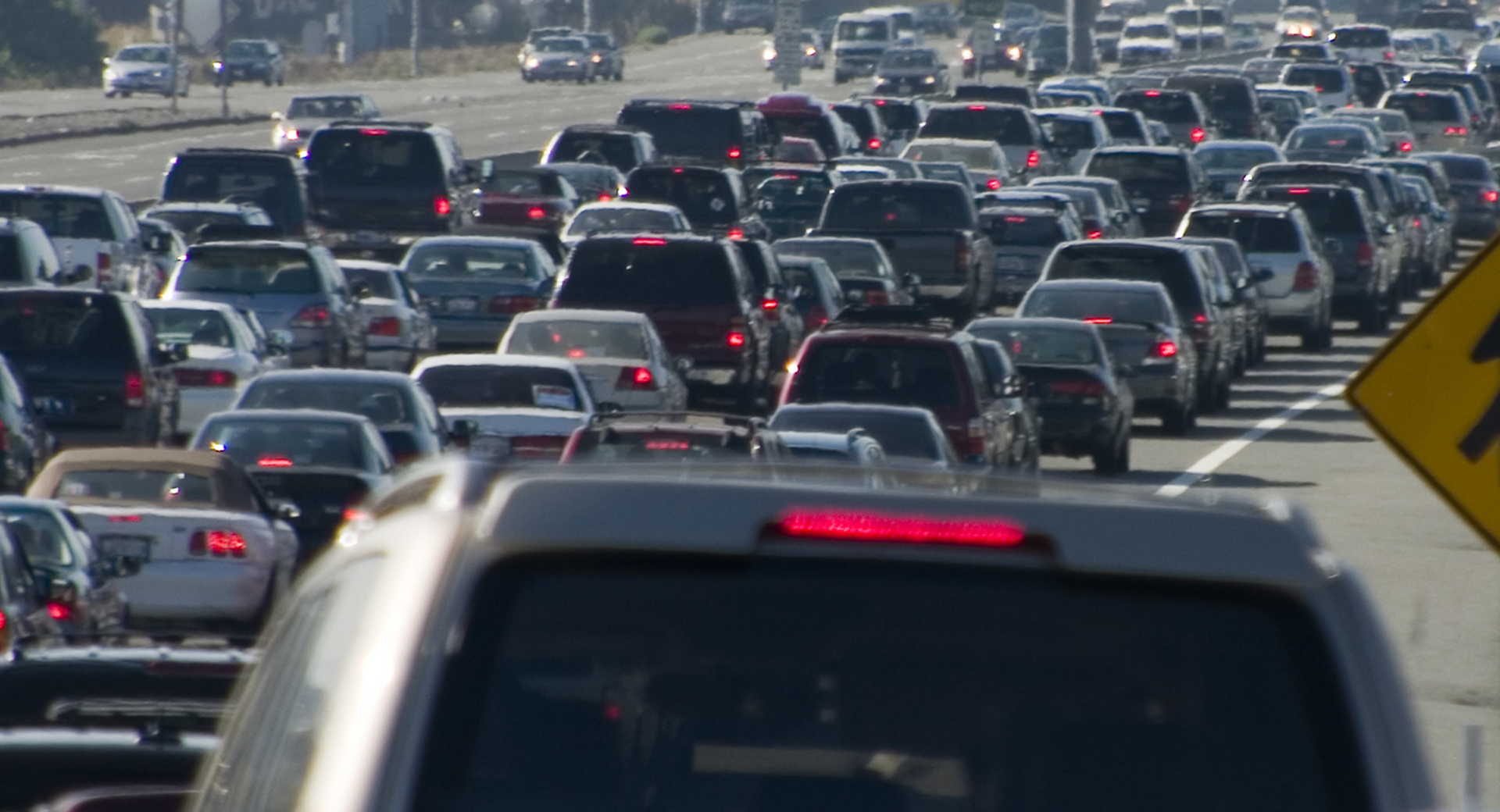
NJ Transit declared its first FIFA World Cup transportation operation a success, but fan accounts and local media reports painted a far more complicated picture marked by gridlock, long waits and confusion after the match.
EAST RUTHERFORD, N.J. — Hours after the first FIFA World Cup match at MetLife Stadium concluded, NJ Transit announced what it described as a successful transportation operation.
“As of now, NJ TRANSIT has successfully moved 21,578 fans from today’s match at NYNJ Stadium via bus and rail, in 90 minutes,” the agency posted on social media.
The statement credited Gov. Mikie Sherrill’s administration for developing transportation plans and contingency measures ahead of the tournament.
The NJ Transit account wasn’t wrong. There were no fires, stuck trains, overhead wires down, broken signals, canceled trains, or derailments on Saturday, but that doesn’t mean transportation was smooth sailing. It also doesn’t mean Governor Sherrill gets a trophy either.
But while state officials highlighted ridership numbers, many fans leaving the Brazil-Morocco match reported a much different experience as they struggled with rideshare delays, traffic congestion and overcrowded transportation hubs.
Fans describe rideshare chaos
Among the biggest complaints were rideshare operations surrounding the stadium.
Because private vehicles were prohibited from approaching the stadium area, many fans were directed to pickup zones at the Meadowlands Racetrack. Some reported walking more than a mile after the game before reaching designated pickup locations.
Once there, many encountered large crowds and extended waits.
Several attendees posting on social media described standing in pickup areas for extended periods as traffic remained at a standstill. Reports indicated that some rideshare services temporarily suspended pickups due to congestion around the venue.
The result left hundreds of fans searching for alternatives while navigating crowded lots late into the evening.
Penn Station area overwhelmed
Transportation challenges extended beyond New Jersey.
Road closures and increased security around Penn Station created significant congestion in Midtown Manhattan throughout the day as buses transported fans to and from the stadium.
Some travelers praised train service heading into the match and reported relatively smooth arrivals.
Others described confusion regarding shuttle locations, train transfers and return-trip procedures after the game.
For many international visitors unfamiliar with the region’s transportation network, the trip home proved considerably more stressful than the trip to the stadium.
Costs remain controversial
Transit pricing had already become a major point of controversy before the first match kicked off.
NJ Transit initially faced criticism after announcing special-event rail fares as high as $98 round-trip. Shuttle pricing proposals also sparked backlash from elected officials and fans who argued transportation costs were becoming prohibitively expensive.
While some shuttle options were later adjusted, critics continued questioning whether the region’s transportation infrastructure was adequately prepared for the demands of a month-long global sporting event.
Infrastructure concerns linger
The transportation debate comes just days after service disruptions involving Amtrak infrastructure created delays throughout the Northeast Corridor.
Overhead wire failures, signal problems and aging tunnel infrastructure have repeatedly caused disruptions affecting both NJ Transit and Amtrak riders over the past several years.
Those issues raised concerns among transportation advocates and commuters ahead of the tournament, particularly given the volume of visitors expected to travel through Penn Station and the Meadowlands.
VIPs avoided travel headaches
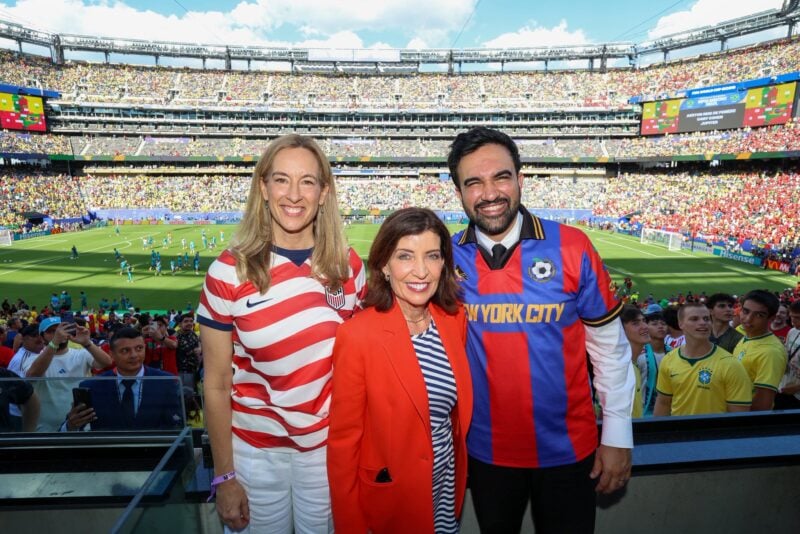
While many fans dealt with long walks, crowded transit hubs and traffic congestion, several high-profile political figures appeared to have little trouble reaching the venue.
Gov. Mikie Sherrill, New York Gov. Kathy Hochul and New York City Mayor Zohran Mamdani attended the opening match and were photographed together during the event.
The officials received high-profile access to the stadium and traveled under security arrangements coordinated by law enforcement agencies.
Their experience stood in stark contrast to that of many spectators who spent hours navigating transportation challenges after the final whistle.
Media reports highlighted problems
Numerous local and regional media outlets documented transportation concerns surrounding the opener, including fan complaints about rideshare access, traffic congestion and post-game logistics.
Coverage from outlets including NBC New York, PIX11, Gothamist, NorthJersey.com, The Bergen Record and other regional publications detailed reports of long waits, crowded pickup areas and confusion among visitors attempting to leave the stadium complex.
While transportation systems ultimately moved tens of thousands of fans away from the venue, many attendees said the process was far from seamless.
The World Cup opener served as the first major test of transportation plans that will be used repeatedly throughout the tournament, including for the World Cup Final. Whether officials view the event as a success may depend on whether they focus on the number of people moved—or the experiences of the fans who were trying to get home.
Key Points
• NJ Transit said it moved 21,578 World Cup fans from the stadium via bus and rail within 90 minutes.
• Fans and media reports described rideshare delays, long walks, traffic gridlock and confusion after the match.
• Concerns remain about transit costs, aging infrastructure and the region’s ability to handle larger World Cup crowds later in the tournament.