Remarkable comeback ends with emotional ocean release and high-tech tracking mission
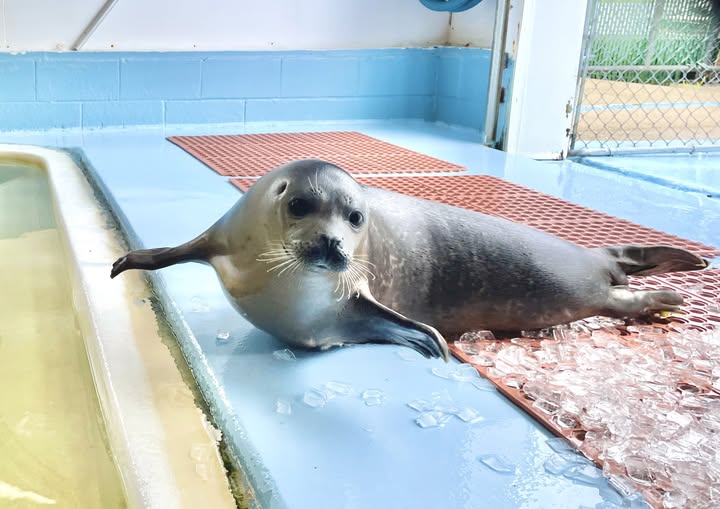
BRIGANTINE, N.J. — A harbor seal that spent four months battling a life-threatening illness has returned to the ocean after an extraordinary rehabilitation effort by marine animal rescuers and veterinary specialists.
The Marine Mammal Stranding Center announced the release of harbor seal #26-007, a patient first rescued from a beach in Beach Haven Gardens on Feb. 11.
Rescuers said the young seal was severely underweight, lethargic and suffering from a serious respiratory infection when he was found.
Despite extensive treatment, the infection persisted and developed into pneumonia, requiring months of intensive medical care.
Veterinary experts from the Shreiber School of Veterinary Medicine at Rowan University assisted with the seal’s recovery by conducting diagnostic imaging and helping guide treatment decisions throughout the rehabilitation process.
Now fully recovered, the seal was released at Brigantine Inlet within the North Brigantine Natural Area.
The recovery effort is also providing scientists with a rare opportunity to monitor the animal after release. Working alongside the Atlantic Marine Conservation Society and the New Jersey Department of Environmental Protection, researchers fitted the seal with satellite and acoustic tracking tags.
The temporary satellite tag will collect information about the seal’s movements, diving activity and haul-out behavior until it naturally detaches during the animal’s next molt. The acoustic tag attached to the seal’s rear flipper will help researchers monitor longer-term travel patterns as it passes underwater receivers throughout the Mid-Atlantic and North Atlantic regions.
The Marine Mammal Stranding Center credited donors and supporters for helping make the seal’s recovery possible.
Key Points
- A harbor seal rescued from Beach Haven Gardens in February has been released after four months of rehabilitation.
- The animal overcame a severe respiratory infection and pneumonia with extensive veterinary care.
- Scientists will track the seal’s movements using satellite and acoustic tags after its release in Brigantine.