


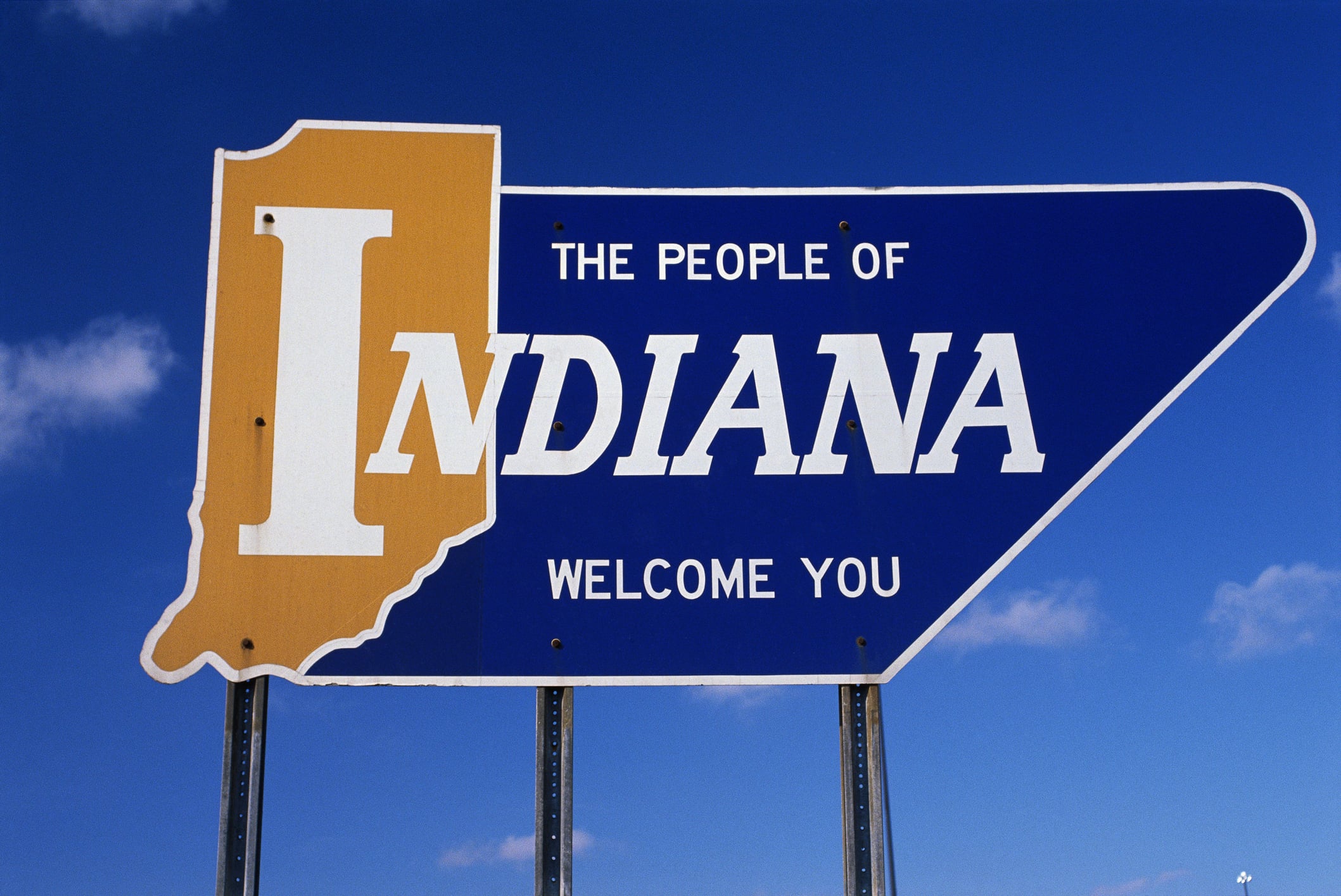
The Chicago Bears have taken a major step toward leaving Illinois after advancing plans for a $5 billion domed stadium in Indiana backed by more than $1 billion in state incentives.
The Chicago Bears are moving forward with plans to relocate from Illinois to neighboring Indiana after years of stalled stadium negotiations in Chicago, setting the stage for one of the most significant franchise relocations in modern NFL history.
Team officials confirmed that the Bears’ board of directors has approved advancing a proposed $5 billion stadium and entertainment district project in Hammond, Indiana, located roughly 25 miles southeast of downtown Chicago.
Key Points
• Bears board advances plans for a $5 billion stadium project in Indiana
• Indiana has offered more than $1 billion in incentives and infrastructure support
• The team’s lease at Soldier Field runs through 2033
The proposed development would include a state-of-the-art enclosed stadium near Wolf Lake, creating a new home for the franchise while maintaining close proximity to its longtime fan base.
Team Chairman George McCaskey confirmed the organization’s intent to pursue the project in partnership with Indiana Gov. Mike Braun and state officials.
Why the Bears are looking to leave Illinois
At the heart of the dispute is money.
For years, the Bears have sought long-term property tax certainty and public support for stadium development projects in Illinois. Team officials argued that financial uncertainty made it difficult to move forward with large-scale investment plans.
According to the proposal, Indiana lawmakers responded by creating the Northwest Indiana Stadium Authority, a newly established entity designed to issue bonds and help finance infrastructure surrounding the project.
The package could provide more than $1 billion in public incentives and support.
Illinois lawmakers failed to pass legislation providing similar guarantees sought by the team, creating an opening that Indiana leaders quickly moved to exploit.
Bears want control of stadium revenue
Another major factor is revenue.
The Bears currently play at Soldier Field, which is owned by the City of Chicago. Unlike many NFL franchises that own and operate their own venues, the Bears do not fully control revenue streams generated by the stadium.
A privately controlled domed stadium would allow the franchise to generate substantially more income through parking, luxury suites, concessions, naming rights and year-round events.
Industry analysts have long pointed to Soldier Field’s status as the NFL’s smallest stadium by seating capacity as a financial disadvantage compared with newer venues around the league.
The proposed Indiana stadium would be designed to host not only Bears games but also concerts, conventions, major sporting events and other entertainment attractions throughout the year.
Illinois leaders not giving up
Despite the Bears’ latest move, Illinois officials insist the relocation is far from finalized.
Chicago Mayor Brandon Johnson cautioned against assuming the team is gone, arguing that no final decision has been made until construction actually begins.
Illinois Gov. JB Pritzker’s office has also indicated it remains open to discussions aimed at keeping the franchise in the state.
The Bears’ current lease at Soldier Field runs through 2033, meaning any relocation would likely take years to complete even if the Indiana project ultimately moves forward.
Bears name would remain unchanged
One aspect of the franchise’s identity would not change.
Despite relocating across state lines, the organization has indicated it would continue operating as the Chicago Bears.
That decision mirrors moves by other professional sports teams that have maintained historic city branding despite relocating to neighboring states or suburbs.
Economic battle emerges
Local leaders in Hammond have aggressively pursued the project, viewing the stadium as a transformative economic development opportunity.
Supporters believe the development could generate billions in economic activity, attract tourism and create thousands of jobs throughout Northwest Indiana.
For Illinois officials, however, losing one of the NFL’s founding franchises would represent both an economic and symbolic blow to Chicago’s sports identity.
With billions of dollars at stake and nearly a decade remaining on the team’s current lease, the battle over the Bears’ future is likely just beginning.