ANNAPOLIS — Maryland’s unique geography and culture put it at the crossroads of North and South, city and suburb — a mix that has helped fuel a long list of public stereotypes still circulating widely online and in regional conversations.
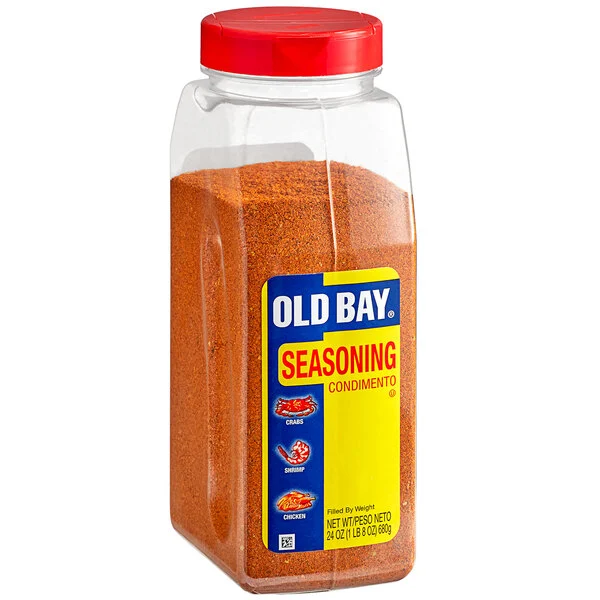
The most recognizable of these centers on Maryland’s seafood identity. Residents are frequently portrayed as obsessive about blue crabs, Old Bay seasoning, and crab cakes, with online threads often joking that Marylanders won’t trust any crab dish prepared outside the state.
“They’ll put Old Bay on literally anything,” one popular X post reads.
Baltimore’s challenges have also shaped outside perceptions of the state. The city’s reputation for high crime and poverty leads some to characterize all of Maryland as unsafe or decaying. That image persists despite contrasting realities in affluent suburbs like Bethesda and rural regions in the western and eastern parts of the state.
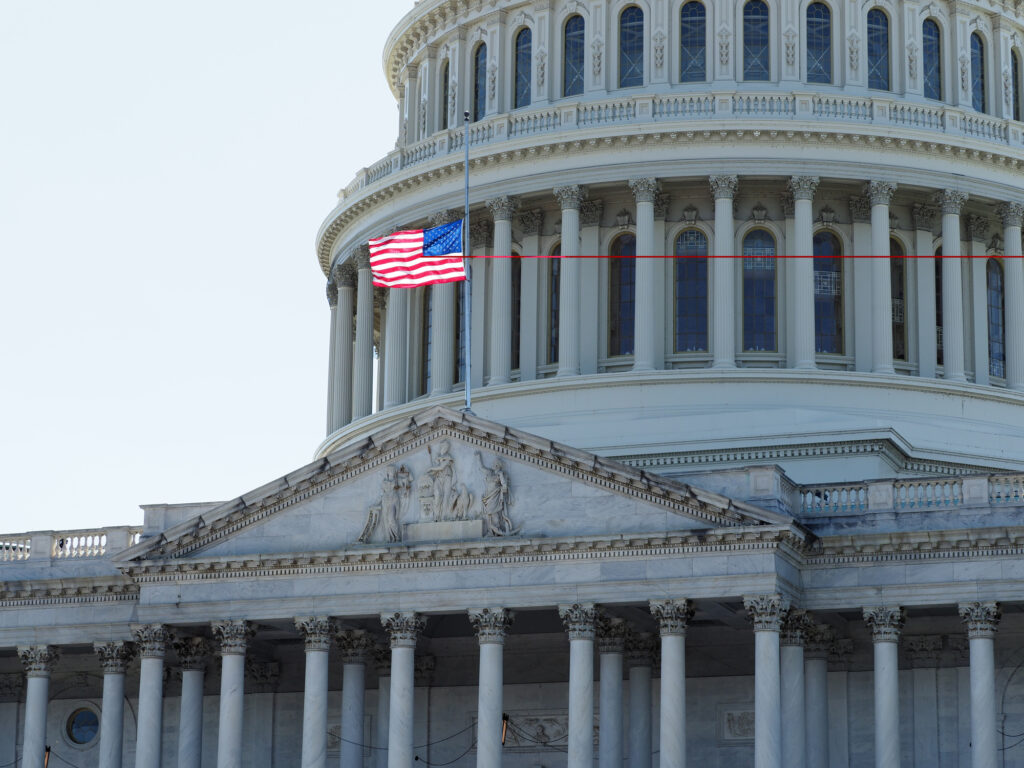
Maryland’s proximity to Washington, D.C., feeds another stereotype: a professional class obsessed with politics and prestige. Commonly called “DMV elitism,” this portrayal sees Marylanders—especially those near the Capital Beltway—as government workers or contractors who act superior due to their D.C. connections.
Cultural imagery tied to lacrosse plays into class-based stereotypes. In suburban areas like Towson and Annapolis, the state is associated with “lax bros” — affluent, athletic young men in polos and pastel shorts who treat lacrosse as a lifestyle. The look, along with Maryland’s strong high school and college lacrosse programs, contributes to the image.
Accents are another recurring theme. While Maryland includes a wide range of dialects, the “Baltimore accent” — often caricatured as “Balmerese” with phrases like “hon” and “wooder” — is often applied across the state, despite being specific to certain neighborhoods.
Suburban sprawl contributes to another stereotype. Areas near D.C. and Baltimore are sometimes portrayed as indistinct zones of chain stores and identical housing developments, with some online commenters likening the state’s urban planning to “living in a strip mall.”
The state flag’s bold colors and busy design have made it a cultural emblem — and a source of ridicule. Marylanders are often seen as unusually enthusiastic about the flag, which appears on clothing, bumper stickers, and even tattoos.
“No one loves their flag like Maryland does,” one Reddit user wrote.
Traffic on major corridors like I-95 and I-495 supports another stereotype: that of the perpetually stressed Maryland driver. Social media posts regularly cite D.C.-area gridlock and aggressive habits behind the wheel as defining traits of the commuting culture.
Maryland’s location below the Mason-Dixon line has led some to stereotype the state as a Southern holdover with divided loyalties, though historians point to its Union alignment during the Civil War and its modern-day political diversity.
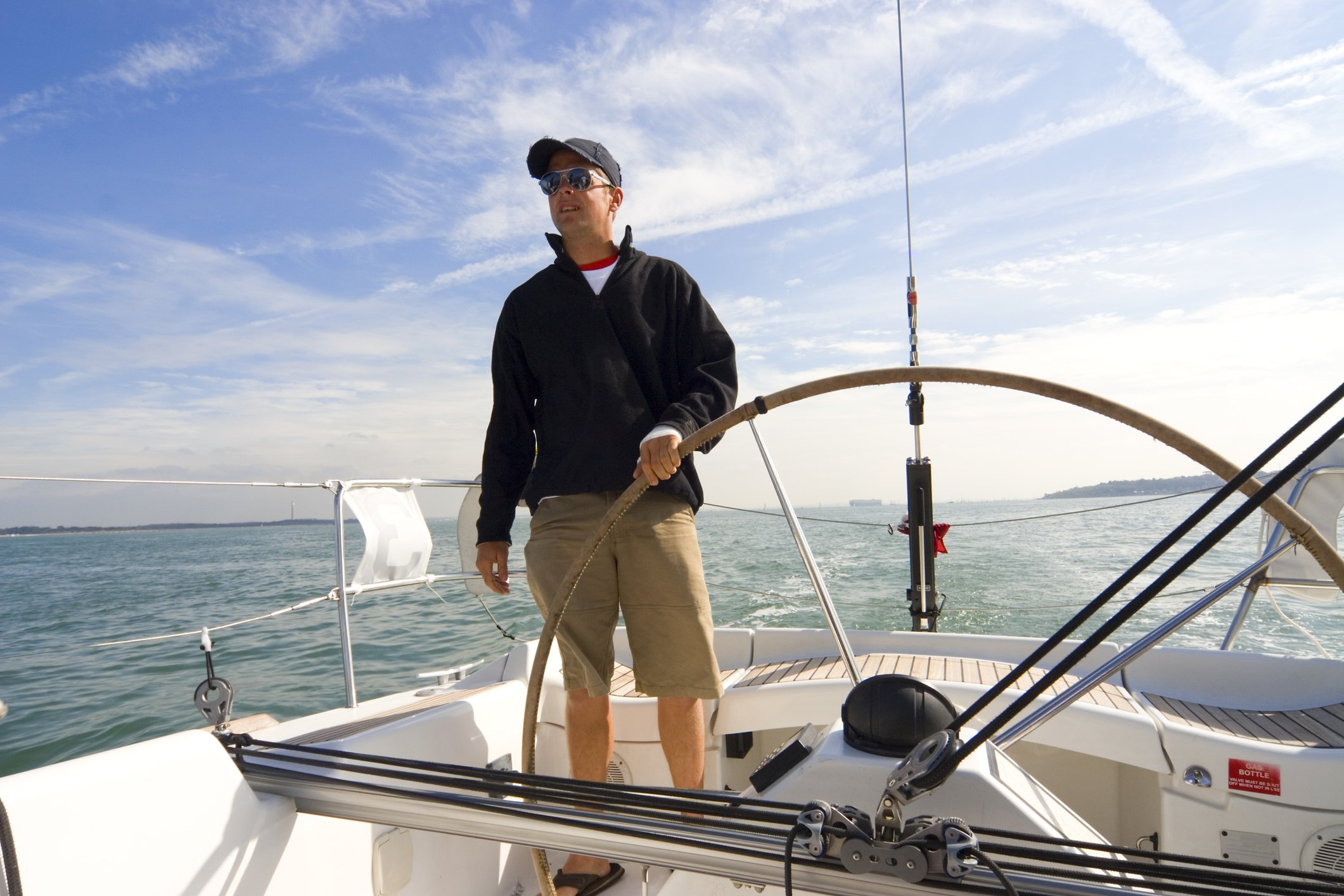
Finally, coastal communities like Annapolis and the Eastern Shore carry a distinct stereotype of nautical preppiness — boat shoes, yacht clubs, and sailboats as weekend norms. The imagery evokes a maritime lifestyle shaped by the Chesapeake Bay and summer tourism.
Online, the same few themes dominate conversations about Maryland, regardless of their accuracy or reach across the state’s varied population.