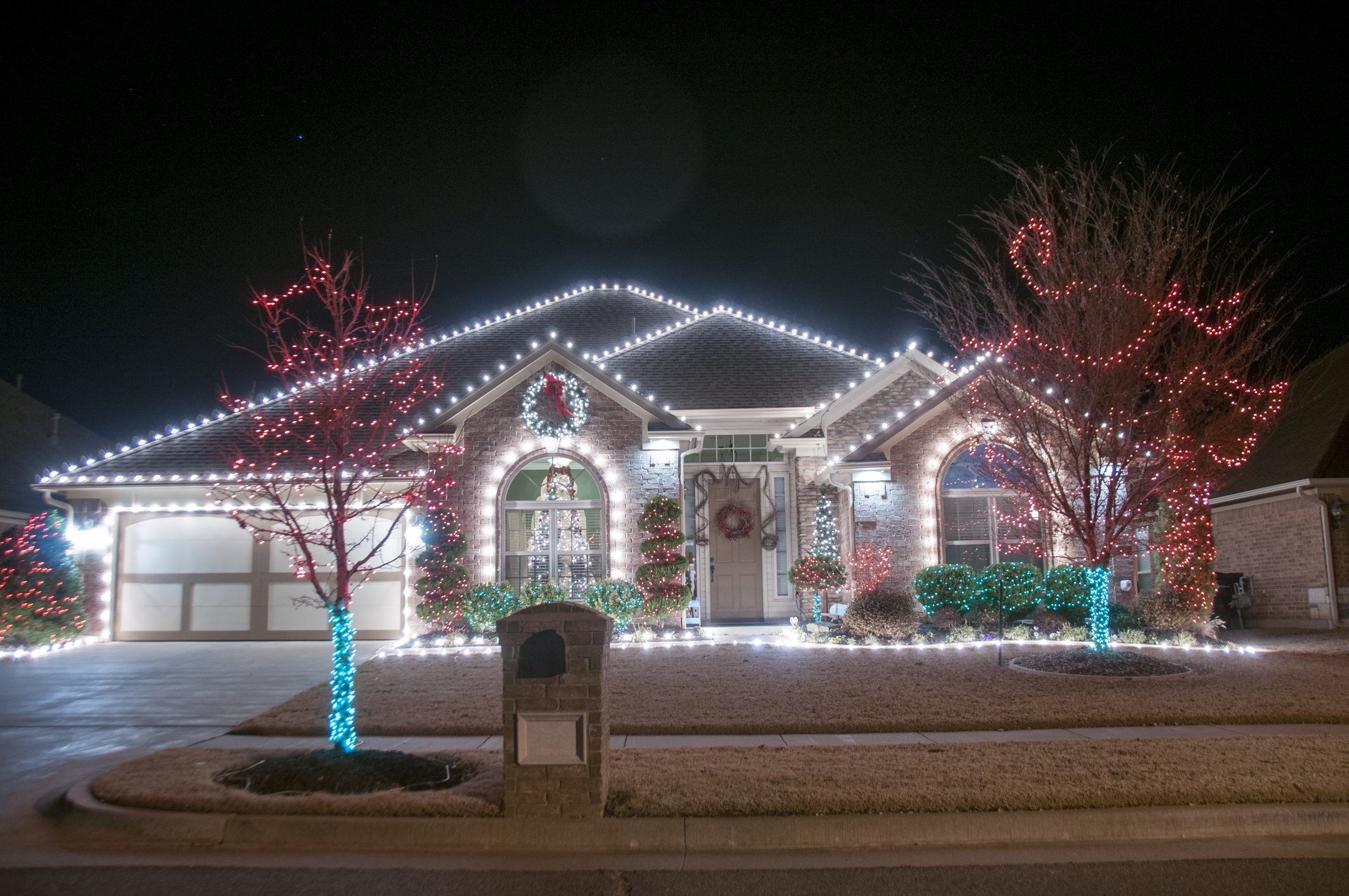
Newark, NJ —A legal battle over Christmas lights is playing out in federal court in New Jersey. A federal judge has issued a key ruling in a patent fight between two holiday décor companies, defining critical terms that will shape an ongoing dispute over decorative string light technology.
U.S. District Judge Georgette Castner handed down a claim construction decision in the case between Seasonal Specialties, LLC and National Christmas Products, Inc., clarifying how a jury should interpret disputed language in two patents covering string lights with spaced bulbs.
Ruling sets stage for next phase of case
The decision follows months of legal wrangling over the meaning of specific technical terms in U.S. Patent Nos. 9,554,437 and 10,080,265, which both relate to decorative lighting strings. Claim construction—often called a Markman ruling—is a pivotal step in patent litigation because it determines how patent language is understood before a case proceeds toward trial or settlement.
The companies identified nine disputed terms requiring interpretation, though some were later narrowed through agreement. A central point of contention that remained unresolved involved the term “interrupt.”
What the patents cover
The patents at the center of the case describe strings of decorative lights with multiple bulbs arranged along a wire—technology commonly used in holiday and seasonal displays.
While that may sound straightforward, the dispute reflects how small differences in wording can carry major legal consequences, especially when companies argue over whether a competing product infringes on patented designs. Both sides submitted extensive written arguments in late 2025, followed by a Markman hearing held in February 2026 where attorneys presented their interpretations of the disputed terms.
—
Key Points
• Federal judge defines disputed terms in holiday light patent case
• Ruling focuses on how to interpret language in two lighting technology patents
• Decision will guide infringement arguments as case moves forward
—
Legal framework behind the decision
Judge Castner emphasized that claim construction is a legal question for the court, not a jury, relying on longstanding precedent from the U.S. Supreme Court and Federal Circuit.
Courts typically begin with “intrinsic evidence,” including the patent claims themselves, the written description, and the prosecution history—records of how the patent was examined and approved.
“There is no magic formula” for interpreting patent claims, the opinion notes, citing established case law that allows judges to weigh different sources of evidence based on context.
That flexible approach often leads to highly technical rulings that can significantly influence whether a case proceeds or is resolved.
Why the ruling matters
Although the decision does not determine whether either company wins the lawsuit, it shapes the legal boundaries of the dispute.
With key terms now defined, both sides can refine their arguments about whether National Christmas Products’ designs infringe on Seasonal Specialties’ patents—or fall outside their scope. Claim construction rulings frequently drive settlement discussions or motions for summary judgment, as they clarify the strengths and weaknesses of each side’s case.
What comes next
The case will now move into the next phase of litigation, where the clarified definitions will be applied to the accused products and legal claims.
Further proceedings could include expert analysis, dispositive motions, or potentially a trial if the dispute is not resolved beforehand.
For now, the court’s ruling establishes the framework that will guide the remainder of the case, but the ultimate question of patent infringement remains undecided.
 Police Blotter
Dover man busted in another burglary less than a week after release
Shore News Network Police Blotter
Gunman opens fire on Dover home leaving 23-year-old man wounded
Shore News Network Police Blotter
 Police Blotter
Man attacked inside unlocked car as two suspects rob him in Southwest DC
Shore News Network