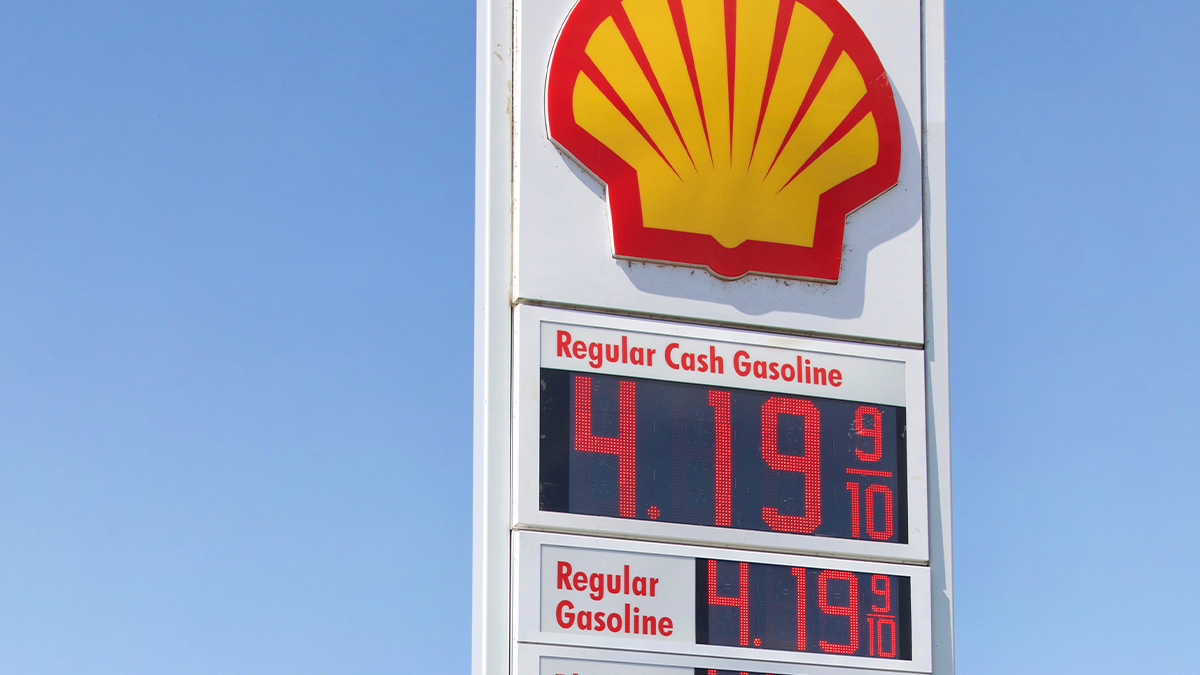
Republicans are pushing to suspend New Jersey’s gas tax as fuel prices climb, but state leaders say the move could jeopardize billions of dollars in funding for roads, bridges and NJ Transit projects.
New Jersey drivers frustrated by rising gasoline prices are once again hearing calls for tax relief at the pump, but a growing debate in Trenton suggests a gas tax holiday remains unlikely despite mounting political pressure. New Jersey Governor Mikie Sherrill says there’s no way that’s going to happen because she needs the $2.1 billion the tax generates to balance her first budget.
The renewed push comes as international conflicts contribute to higher fuel costs nationwide, prompting Republican lawmakers to argue that families need immediate relief. Democratic leaders, however, contend that suspending the tax would create a massive funding gap for transportation projects across the state.
Key Points
• Republicans want New Jersey’s 49.1-cent gas tax temporarily suspended
• Gov. Mikie Sherrill says the tax is essential for transportation funding
• State law requires more than $2.1 billion in annual gas tax revenue
Congressman Jeff Van Drew has introduced legislation that would suspend the federal gas tax for 18 months, a proposal backed by President Donald Trump as part of a broader effort to reduce fuel costs for consumers.
In New Jersey, Assembly Republicans Vicky Flynn and Gerry Scharfenberger have urged Gov. Mikie Sherrill and legislative leaders to temporarily freeze the state’s gas tax, arguing that drivers are struggling with rising expenses.
Why New Jersey’s gas tax is so high
New Jersey currently charges 49.1 cents per gallon on gasoline and 56.1 cents per gallon on diesel fuel, making it one of the highest fuel tax rates in the nation.
The amount drivers pay at the pump is actually made up of two separate taxes. The Petroleum Products Gross Receipts Tax accounts for 38.6 cents per gallon on gasoline and 42.6 cents on diesel fuel, while the Motor Fuels Tax adds another 10.5 cents per gallon on gasoline and 13.5 cents on diesel.
Unlike the Motor Fuels Tax, the gross receipts portion automatically adjusts each year under state law to ensure New Jersey collects a specific revenue target for transportation projects.
The $2.1 billion requirement
A major obstacle to any tax suspension is the state’s legal obligation to generate approximately $2.139 billion in gas tax revenue during Fiscal Year 2026.
That money is constitutionally dedicated to New Jersey’s Transportation Trust Fund, which finances road resurfacing, bridge repairs, highway improvements and rail investments throughout the state. The current revenue target also includes a $23.8 million shortfall carried over from the previous fiscal year.
Because the state must reach the annual target regardless of fuel consumption, the tax rate can increase when drivers purchase less gasoline.
In practical terms, if fewer gallons are sold statewide, the tax charged on each gallon rises to make up the difference and ensure the Transportation Trust Fund receives the required funding.
Governor rejects tax holiday
Sherrill has repeatedly opposed suspending the tax, arguing that transportation infrastructure depends on a stable source of revenue.
State officials warn that a temporary gas tax holiday could delay major projects, disrupt long-term planning and create budget challenges for agencies responsible for maintaining roads, bridges and public transportation systems.
Legislative leaders have echoed those concerns, expressing reluctance to support any proposal that would remove hundreds of millions of dollars from transportation funding without identifying a replacement source of revenue.
Tax burden could continue growing
Under current law, New Jersey’s transportation funding targets are scheduled to increase in the coming years.
The annual collection requirement is projected to gradually rise from $2.139 billion in Fiscal Year 2026 to approximately $2.366 billion by Fiscal Year 2029. That structure has fueled criticism from some lawmakers who argue drivers could face continued pressure at the pump even if fuel consumption declines.
Supporters of the current system counter that the funding mechanism has allowed New Jersey to tackle long-delayed infrastructure improvements while providing a predictable source of revenue for future projects.
Little momentum for immediate action
While calls for relief have intensified amid rising fuel prices, political observers say the chances of a state gas tax suspension remain slim given opposition from the governor’s office and concerns among legislative leaders.
For now, New Jersey motorists are likely to continue paying the full gas tax while lawmakers debate whether short-term savings at the pump outweigh the long-term costs to the state’s transportation network.
 Breaking
Judge Releases MS-13 Murderer Nicknamed “The Witch”
Shore News Network North Jersey News
 Ocean County News
Drunken Migrant Arrested for DWI in Ocean County
Shore News Network School and Education News