
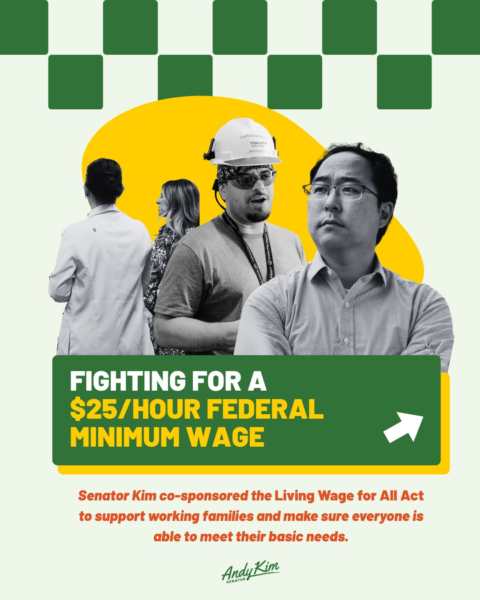
Sen. Andy Kim is backing legislation to raise the federal minimum wage to $25 an hour, a proposal supporters say would help working families but critics argue could lead to higher prices, reduced hiring and increased automation.
Washington, D.C. – U.S. Sen. Andy Kim is promoting legislation that would more than triple the federal minimum wage, arguing the increase is necessary to help Americans afford basic living expenses.
Kim announced on X that he has co-sponsored the Living Wage for All Act, saying every American deserves a living wage.
“Every person deserves a living wage,” Kim wrote. “As the son of immigrants, I know the meaning behind the American Dream – but it’s only possible if people are able to meet their basic needs.”
“That’s why I co-sponsored the Living Wage for All Act to ensure working families can thrive,” he added.
Critics warn of economic consequences
The proposal would raise the federal minimum wage from its current $7.25 an hour to $25 an hour, one of the largest increases ever proposed at the federal level.
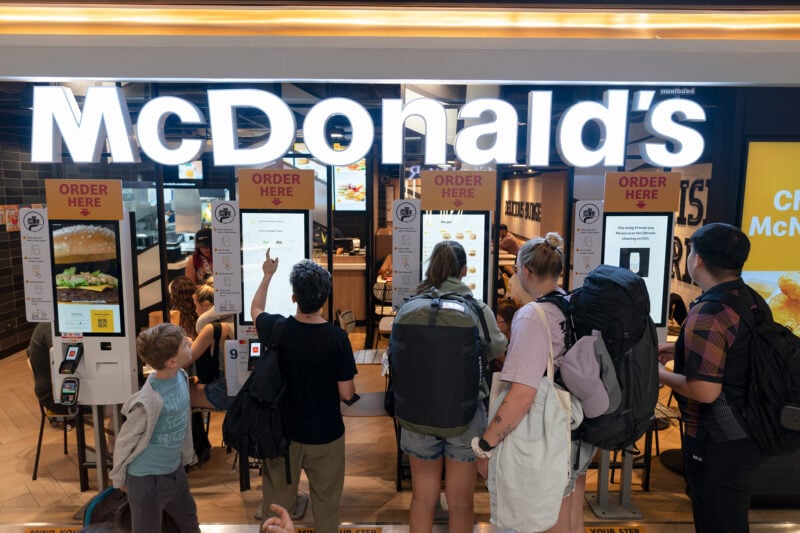
Business groups and many economists have warned that such a significant increase could substantially raise labor costs, particularly for restaurants, retailers, manufacturers and other labor-intensive industries. Critics argue employers may respond by reducing hiring, cutting employee hours, eliminating entry-level positions, accelerating investments in automation or increasing prices to offset higher payroll expenses.
Small businesses, especially those operating on narrow profit margins, could face greater financial pressure than large corporations that have more resources to absorb higher labor costs.
Supporters say workers need a living wage
Supporters of the legislation argue higher wages would reduce poverty, increase consumer spending, improve employee retention and productivity, and lessen workers’ reliance on government assistance programs.
They also contend that many full-time workers cannot afford housing, food and other necessities under the current federal minimum wage, which has remained unchanged since 2009.
The economic effects of minimum wage increases remain the subject of extensive debate among economists, with research reaching different conclusions depending on the size of the increase, regional labor markets and broader economic conditions.
Congress has not acted on the Living Wage for All Act, and the proposal would require approval by both chambers of Congress before it could become law.
Key Points
- Sen. Andy Kim has co-sponsored legislation to raise the federal minimum wage to $25 an hour.
- Critics argue the proposal could increase prices, reduce hiring, accelerate automation and strain small businesses.
- Supporters say the measure would help workers earn a living wage and strengthen household finances.
Andy Kim, Living Wage for All Act, $25 minimum wage, federal minimum wage, New Jersey, inflation, jobs, small business, Congress, economy