


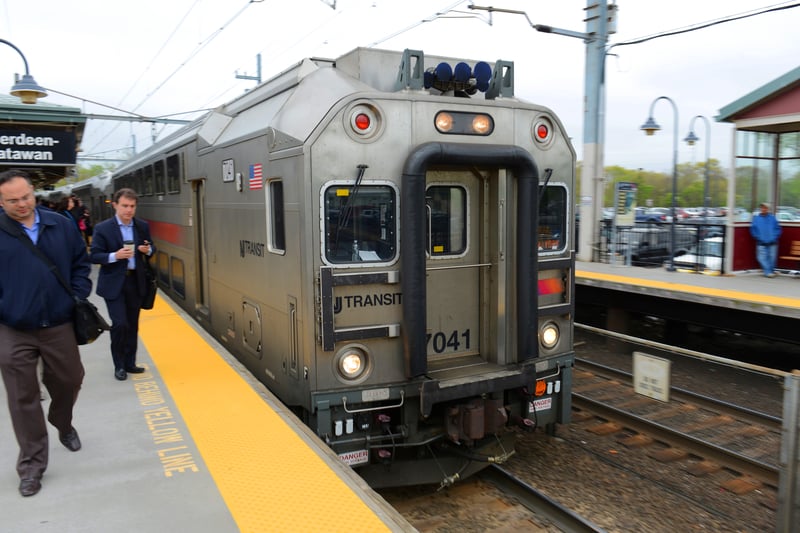
NJ Transit Warns World Cup Fans: Don’t Walk to MetLife as $150 Train Plan Sparks Backlash
East Rutherford, NJ — Fans hoping to skip steep transit costs by walking to MetLife Stadium during the 2026 World Cup are being told bluntly: don’t try it.
NJ Transit and regional organizers say pedestrian access to the stadium will be effectively off-limits, citing safety risks on the highways surrounding the venue—even as projected $150 round-trip train fares draw growing criticism.
Officials say roads like Route 3, Route 120, and the New Jersey Turnpike were never designed for foot traffic and will be actively restricted during matches.
“Not safe or feasible” to walk
The warning comes amid viral social media posts suggesting fans could walk from New York City to the stadium to avoid high transit costs.
Transportation officials are pushing back hard.
They say pedestrian access is “not safe or actually feasible,” and police will be deployed to redirect anyone attempting to walk along major roadways leading to the stadium.
The area around MetLife is built for cars and controlled transit—not foot traffic—creating a sharp contrast with more urban World Cup venues.
High prices fueling frustration
At the same time, NJ Transit’s pricing has become a flashpoint.
Round-trip train tickets from Penn Station to MetLife are expected to cost about $150 per person during the tournament—far above typical fares. Officials say the price reflects the cost of running high-capacity, event-specific service expected to move tens of thousands of fans per match.
An $80 round-trip bus option will also be available, but both options have drawn criticism from fans and some public officials.
—
Key Points
• NJ Transit says walking to MetLife Stadium will not be allowed during World Cup
• Officials cite safety risks on highways surrounding the venue
• $150 round-trip train fares driving backlash and viral workarounds
—
Limited alternatives for fans
Driving won’t be a simple solution either.
Parking is expected to be tightly controlled, and access roads will be heavily managed on match days. One of the few exceptions: fans with pre-purchased parking at the American Dream mall may be able to walk across existing pedestrian connections to the stadium.
Otherwise, attendees will be required to use designated transportation systems.
Bigger issue: access vs. infrastructure
The situation highlights a core challenge for the region: MetLife Stadium is one of the largest venues in the tournament, but it lacks the kind of built-in pedestrian and transit infrastructure found in more walkable host cities.
That gap is now colliding with the scale of the World Cup.
What happens next
Transportation plans are still being finalized, but officials have made one thing clear—walking is not part of them.
With costs, logistics, and access all under scrutiny, how fans actually get to the stadium may remain one of the biggest unresolved issues heading into 2026.