The ruling keeps New Jersey’s established vote-by-mail system in place for the 2026 midterms, although the broader legal fight is not finished.
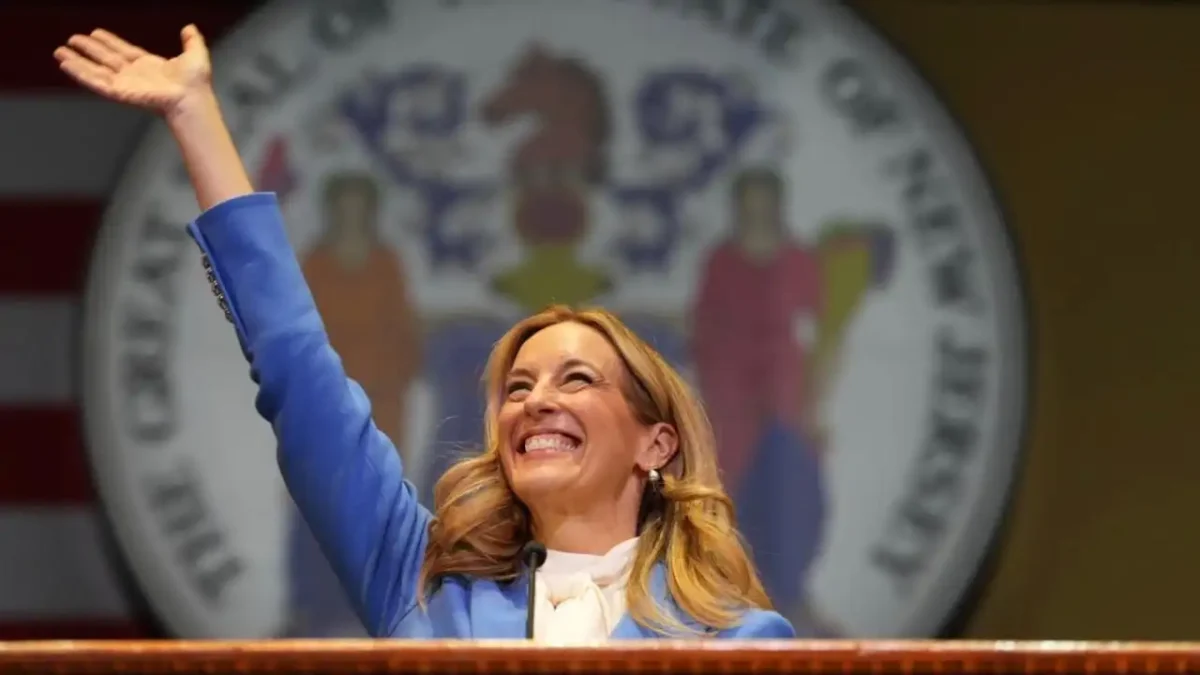
TRENTON, N.J. — Gov. Mikie Sherrill celebrated a U.S. Supreme Court decision that prevents the Trump administration from imposing new federal restrictions on mail ballots before the November midterm elections.
“States run elections, not Donald Trump,” Sherrill wrote Monday night. “This decision reinforces what we’ve long known: vote-by-mail is a safe, secure, and reliable way to vote.”
“Another win for New Jersey voters,” she added. “Another loss for Donald Trump’s attempt to rig elections.”
Sherrill’s claim that Trump attempted to “rig elections” was her political characterization of the administration’s policy. The Supreme Court did not make that finding.
Supreme Court denied administration’s emergency request
The Supreme Court on Sept. 14 denied the Trump administration’s request to suspend a lower-court injunction blocking new U.S. Postal Service requirements for election mail.
The brief, unsigned order said the federal government was unlikely to succeed in challenging the preliminary injunction and had not shown that the equities favored emergency relief.
The Supreme Court’s order leaves existing state mail-ballot procedures in place for the 2026 elections.
The decision was not a final ruling invalidating the federal policy. It denied the administration permission to enforce the requirements while the underlying litigation continues.
What the Trump-backed rule would have changed
The Postal Service adopted the disputed rule after Trump directed the agency to create new requirements for federal election mail.
States would have been required to use ballot envelopes containing an election-mail logo, scannable features and a barcode unique to each voter. Election officials also would have needed Postal Service approval for envelope designs and would have been required to upload voter information to a federal portal.
Mail from states failing to satisfy those conditions could have been rejected and returned.
State and local election officials argued that the requirements arrived too close to the midterms and could interfere with the delivery of valid ballots.
Kavanaugh cited the approaching election
Justice Brett Kavanaugh agreed with the court’s decision but wrote separately.
Kavanaugh said the Postal Service may have a viable argument that the rule falls within its statutory authority. Applying it during the 2026 elections, however, would be arbitrary and capricious because state and local election officials lacked enough time to implement it reasonably, he wrote.
Justices Samuel Alito and Clarence Thomas dissented.
Alito argued that the Postal Service has broad authority to regulate mail and said the government had satisfied the requirements for a stay. He also disputed the standing of some plaintiffs and blamed the states and lower courts for delays that pushed the case close to the election.
New Jersey mail voting remains unchanged
For New Jersey residents, the immediate effect is straightforward: voters may continue using the state’s existing vote-by-mail process during the Nov. 3 general election.
New Jersey allows registered voters to request mail ballots without providing a reason. Voters may return completed ballots through the mail, place them in authorized drop boxes or deliver them to their county board of elections.
The state’s official 2026 voting guide lists voting by mail, early in-person voting and Election Day voting as the three available options.
The Supreme Court order applies nationally, not only to New Jersey. It preserves existing state procedures for the midterms while courts continue reviewing the federal government’s claimed authority over election-related mail.
Follow Shore News Network for more New Jersey politics, election news and national politics.