


Newark, NJ — A federal judge has ruled in favor of NJ Transit, dismissing a lawsuit filed by a longtime locomotive engineer who claimed he was injured by a train door, finding the evidence did not support liability under federal railroad law. The decision ends the case without a trial.
U.S. District Judge Brian R. Martinotti granted summary judgment to New Jersey Transit Rail Operations, concluding that plaintiff John D. Roberts failed to show the agency acted negligently under the Federal Employers’ Liability Act (FELA). The ruling closes the case after nearly two years of litigation.
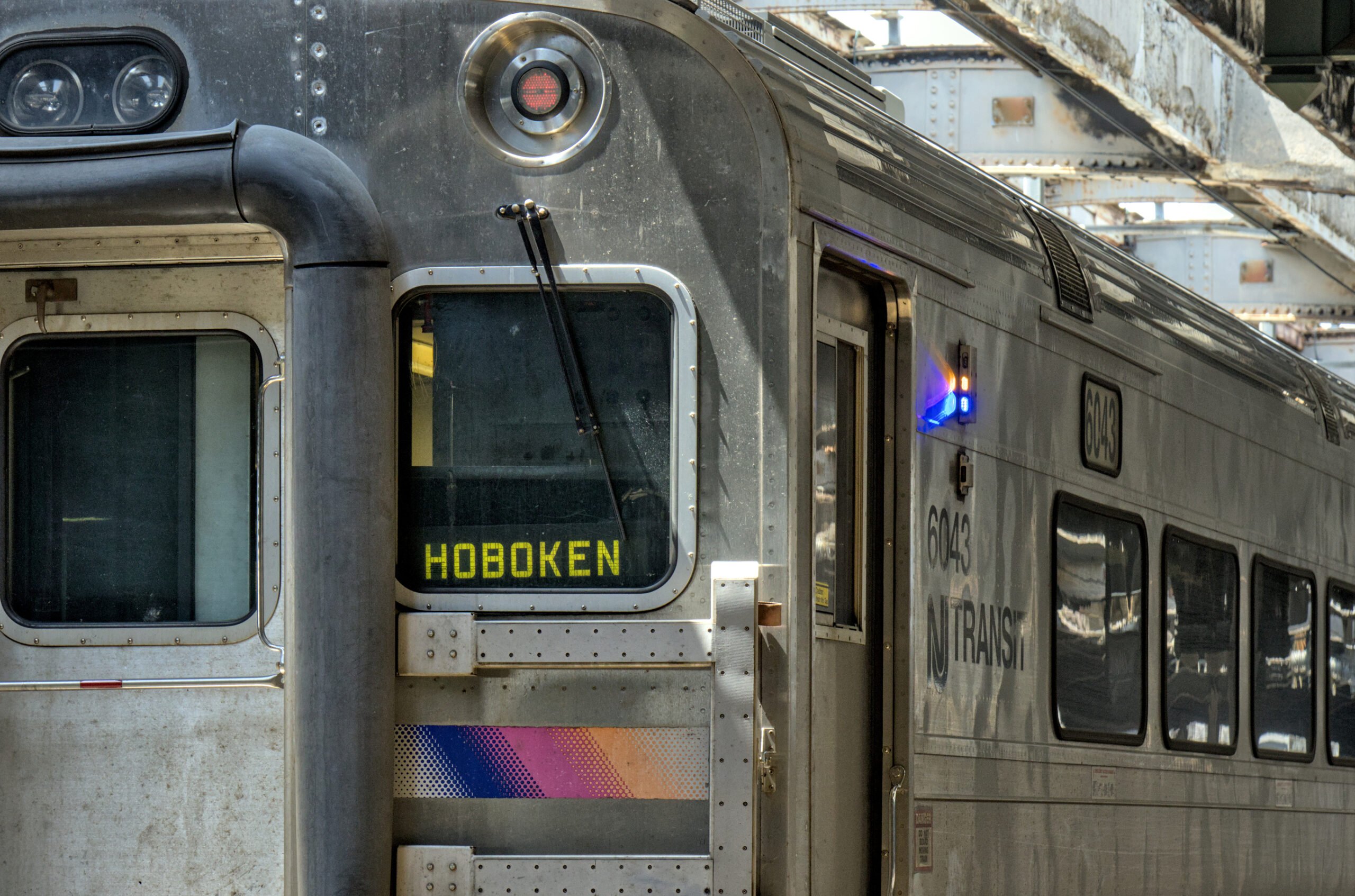
Roberts, who worked as a locomotive engineer from 1999 through April 2025, alleged he was injured on July 2, 2021, while inspecting a train at Hoboken Terminal before a scheduled route to Suffern, New York.
Safety warnings and training central to ruling
The case focused on a rear door of a PL-42 locomotive, which featured multiple warnings about “pinch points” and included a red grab handle and safety chain. According to court records, the door could close due to gravity even when not actively operated.
Roberts had received training instructing engineers to keep their hands clear of such hazards and was aware of internal safety rules addressing pinch points.
He approached the locomotive while it was marked with a blue flag—an industry signal indicating the train was undergoing inspection or repair and could not be operated.
Blue flag conditions and access to engine
Despite the blue flag status, Roberts entered the locomotive to check on its readiness. The blue flag system requires that only designated mechanical personnel can remove the flag, and it signals that maintenance activity is underway.
The court examined whether NJ Transit failed to provide a safe working environment or whether the risk was known and avoidable based on training and warnings.
Key Points
• Federal judge granted NJ Transit summary judgment in employee injury lawsuit
• Engineer claimed injury from train door while locomotive was under inspection
• Court found insufficient evidence of employer negligence under federal law
Court applies federal railroad liability standards
Under FELA, railroad employers can be held liable for worker injuries if negligence played a role. However, the burden remains on the plaintiff to show that the employer failed to provide a reasonably safe workplace.
Judge Martinotti determined that Roberts did not meet that burden, pointing to the presence of visible warnings, established safety procedures, and the engineer’s own training.
The opinion emphasized that known workplace hazards—especially those clearly marked and addressed through safety rules—do not automatically establish employer liability.
Context: experienced employee and known risks
Roberts’ more than two decades of experience as a locomotive engineer factored into the court’s analysis, particularly his familiarity with operational risks and safety protocols.
The presence of warning signage on the door and internal rules about avoiding pinch points reinforced the court’s conclusion that the hazard was neither hidden nor unaddressed.
What happens next
With summary judgment granted, the case is closed at the district court level unless Roberts files an appeal.
The ruling means NJ Transit is not liable for damages related to the incident, and no trial will take place.
As of now, no further proceedings are scheduled.