A sweeping proposal would create a statewide health benefits trust for public school employees as lawmakers seek an alternative to insurance funds that have faced growing criticism from state watchdogs and local officials.
TRENTON, N.J. — State Sen. Vin Gopal, a Monmouth County Democrat, is sponsoring legislation that could dramatically reshape public employee healthcare in New Jersey, creating a statewide health benefits trust that supporters say would provide greater transparency and accountability than the insurance fund system currently used by many public entities.
The proposal, known as the Public School Employees’ Health Benefits Trust Act, would establish a new statewide trust to provide medical, prescription, dental and vision coverage for public school employees beginning in 2028. The trust would be governed by representatives of labor organizations, school officials and a gubernatorial appointee.
The legislation arrives amid continuing scrutiny of Health Insurance Funds (HIFs) and Joint Insurance Funds (JIFs), many of which are administered, brokered or advised by firms affiliated with South Jersey political figure and insurance executive George Norcross.
Key Points
• Sen. Vin Gopal is sponsoring legislation to create a statewide Public School Employees’ Health Benefits Trust.
• The bill follows years of controversy surrounding public insurance funds connected to Norcross-affiliated firms.
• Local officials, including Toms River Mayor Dan Rodrick, have argued significant savings can be achieved outside the insurance fund system.
How New Jersey’s insurance fund system grew
For decades, municipalities, school districts and other public entities have faced rapidly increasing healthcare costs.
To combat those increases, many local governments joined Joint Insurance Funds and Health Insurance Funds. These programs pool public entities together, allowing them to share risk and collectively purchase healthcare coverage rather than relying solely on traditional state health plans.
Supporters of the model argue the funds have generated billions of dollars in savings for taxpayers by eliminating certain commercial insurance costs and creating larger risk pools.
Many are saying those funds now act as a government-sponsored health insurance monopoly that has allowed healthcare premiums to skyrocket.
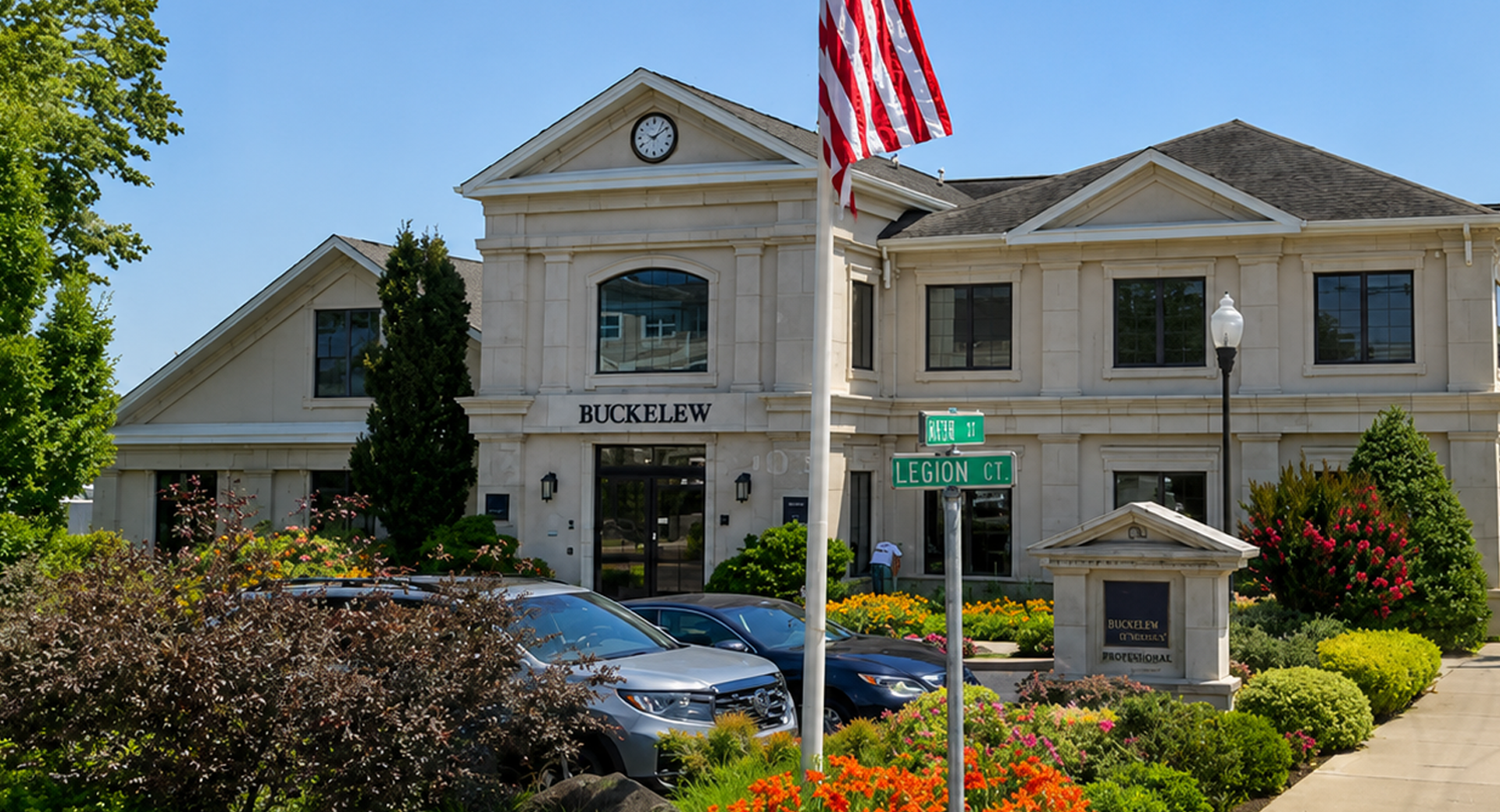
As participation expanded, companies connected to George Norcross became deeply involved in administering the funds. Conner Strong & Buckelew, where Norcross serves as executive chairman, and PERMA Risk Management Services have become major players in New Jersey’s public insurance marketplace.
In many of the towns, politics are in play, as powerful sub-brokers push their influence to steer lucrative contracts to the JIF/HIF business. Allegations have also been lodged that those political players often receive compensation for their ‘referrals’ to local officials under their influence and control.
Today, many municipalities, school districts and public agencies participate in insurance funds that rely on services provided by those firms.
State watchdog questioned the system
The insurance fund model came under renewed scrutiny after the New Jersey Office of the State Comptroller issued a report examining contracts involving Norcross-linked entities.
The comptroller alleged that firms connected to Norcross exercised extensive influence over public insurance funds by helping draft bid specifications, evaluating proposals and ultimately obtaining contracts from those same entities.
According to the report, the arrangement created potential conflicts of interest and limited meaningful competition for multimillion-dollar public contracts.
Norcross and the companies named in the report strongly rejected those conclusions, arguing the findings were flawed and ignored decades of successful operations that saved taxpayers money.
Representatives associated with the funds have maintained that the shared-services model remains one of the most effective ways for public entities to control healthcare costs.
Toms River became a high-profile example
The debate intensified last year when Toms River Mayor Dan Rodrick announced that the township would leave its existing insurance fund arrangement and move to private insurance coverage. Rodrick faces continued backlash over the switch politically as the political powers behind the funds are doing anything they can to try to get him out of office so those plans can be restored. Members of the Toms River Council even allowed a broker from the now fired agency to speak against the mayor at a recent meeting, and the council overturned the mayor’s decision to switch liability coverage to a different plan after successfully changing the township’s healthcare services a year earlier.
Rodrick said the switch generated millions of dollars in savings and helped the township maintain a flat municipal tax rate despite rising costs in other areas of government.
The move drew attention across New Jersey because it challenged a long-standing assumption that public insurance funds always represent the lowest-cost option for municipalities.
Rodrick argued that a detailed review of healthcare expenses showed private coverage could provide similar benefits at substantially lower costs for township taxpayers, but opponents backed by the local political powerplayers rejected Rodrick’s complete exit from the Connor and Strong business.
That sent a ripple throughout Ocean County where other towns considered following suit, but led by former Ocean County GOP Chairman Joe Buckelew, a former partner in that firm, political pressure was allegedly placed on mayors and councils seeking to follow Rodrick’s lead, insiders and elected officials have told Shore News Network.
That political pressured backed many others off the fence.
Rodrick’s decision became a frequently cited example among critics who argue local governments should reevaluate their participation in insurance funds rather than automatically renewing contracts year after year.
Gopal bill would create statewide alternative
Under Gopal’s legislation, public school employees would eventually be transitioned into a newly created Public School Employees’ Health Benefits Trust. The trust would operate independently of private insurance fund structures and would be governed by a 10-member board representing labor and management interests.
The legislation also includes conflict-of-interest provisions prohibiting board members from holding financial interests in entities that contract with the trust. Supporters argue those safeguards are intended to ensure transparency and prevent the types of concerns raised in recent investigations.
Backers of the proposal say the trust could provide school employees with stable benefits while reducing administrative costs and increasing public oversight.
Bill sets stage for major healthcare battle
The legislation is expected to face intense scrutiny because it affects billions of dollars in healthcare spending and thousands of public employees throughout New Jersey.
Supporters view the measure as a response to longstanding concerns about transparency, governance and rising healthcare costs. Opponents are expected to argue that existing insurance funds have produced substantial savings and that a statewide trust could create new financial risks.
Regardless of its outcome, the proposal represents one of the most significant attempts in recent years to alter the structure of public-sector healthcare in New Jersey and could reignite debate over the role of Norcross-linked firms in managing taxpayer-funded insurance programs.
The trust would begin offering coverage on Jan. 1, 2028, if the legislation is approved.