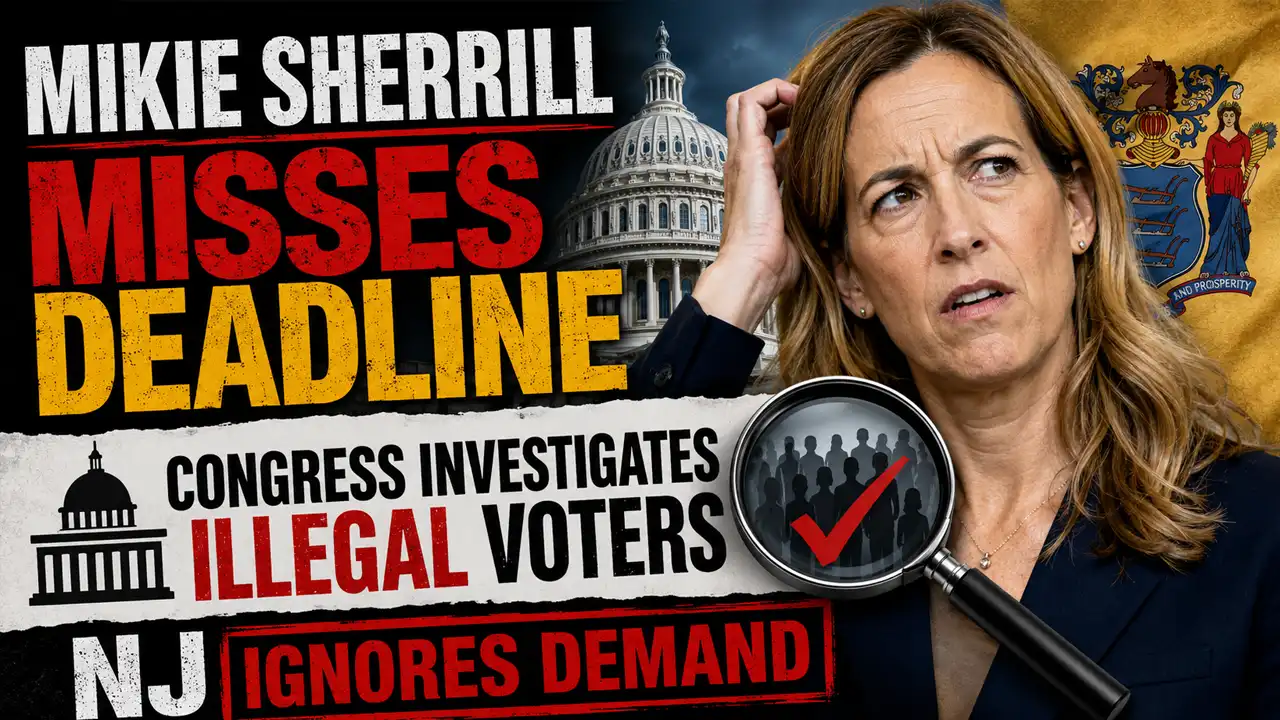
TRENTON, N.J. — New Jersey Assembly Republicans are alleging that the state failed to comply with an Aug. 17 deadline established by congressional investigators seeking records related to New Jersey’s voter registration system and the erroneous registration of thousands of noncitizens through the Motor Vehicle Commission.
The Republican caucus, led by Assemblyman Paul Kanitra and other GOP lawmakers, said Tuesday that the missed deadline could intensify an ongoing congressional investigation being led by the House Administration Committee and House Judiciary Committee. As of publication, neither Congress nor the State of New Jersey had publicly confirmed whether records were submitted by the deadline or whether an extension had been requested.
- Assembly Republicans claim New Jersey missed an Aug. 17 congressional records deadline.
- Congress is investigating the erroneous registration of approximately 6,600 noncitizens through the MVC.
- Lawmakers say Congress could escalate the investigation if records are not voluntarily produced.
Congress requested records from New Jersey
On Aug. 3, House Administration Committee Chairman Bryan Steil, House Judiciary Committee Chairman Jim Jordan, Rep. Laurel Lee and New Jersey Rep. Jeff Van Drew sent a letter to Lt. Gov. and Secretary of State Dale Caldwell requesting documents related to New Jersey’s voter registration system.
According to the congressional letter, investigators sought records concerning the MVC voter registration error, communications surrounding the discovery of the issue, corrective actions taken by the state, and information necessary to understand how approximately 6,600 noncitizens were mistakenly added to New Jersey’s voter rolls. The committees established Aug. 17 as the deadline for producing the requested information.
Investigation stems from MVC registration “glitch”
The congressional inquiry follows New Jersey’s disclosure that a software or configuration problem within the New Jersey Motor Vehicle Commission resulted in approximately 6,600 noncitizens being erroneously registered to vote.
The company that provided the software says there was no software glitch and the error was on the side of the state.
State officials have said corrective measures were implemented after the problem was discovered and that improperly registered individuals have been removed from the voter rolls. The issue is separate from a Department of Homeland Security review that flagged as many as 35,152 New Jersey voter registrations as potential matches requiring further verification. Those records have not been identified by DHS as confirmed noncitizens, and state officials have previously indicated additional review is necessary to determine the accuracy of those matches.
Republicans question what happens next
Assembly Republicans argue the expiration of the congressional deadline raises broader questions about transparency and cooperation with federal investigators. They contend Congress may now consider additional steps if voluntary compliance is not forthcoming.
Missing a congressional records deadline does not automatically trigger penalties or contempt proceedings. Congressional committees may choose to continue negotiations, establish a new deadline, issue a subpoena for the requested records if authorized under House rules, or pursue additional enforcement measures should a subpoena later be ignored.
As of Tuesday, the offices of Gov. Mikie Sherrill and Secretary of State Dale Caldwell had not publicly announced whether records had been produced in response to the congressional request.
FAQ
- What is Congress investigating?
Congressional committees are seeking information about New Jersey’s voter registration system following the erroneous registration of approximately 6,600 noncitizens through the MVC. - Has New Jersey been accused of refusing to comply?
Assembly Republicans allege the state missed the Aug. 17 deadline. As of publication, there has been no public confirmation from Congress or the state regarding whether records were submitted or whether additional time was requested. - What could Congress do next?
The committees could continue seeking voluntary cooperation, establish another deadline or pursue compulsory measures, including issuing a subpoena, depending on how the investigation proceeds.
Sources: House Administration Committee, New Jersey Assembly Republicans.