TRENTON, N.J. – Gas prices are dropping in New Jersey, but that’s going to end in just a few days.
New Jersey drivers will soon pay even more at the pump as the state’s gas tax rises again on January 1, marking the latest adjustment under a formula created nearly a decade ago to fund the state’s transportation system. With just five days until the increase takes effect, many residents are asking why the tax keeps climbing—and whether anyone in Trenton or Washington can stop it.
New Jersey’s modern gas tax structure dates back to 2016, when then-Gov. Chris Christie and the Legislature approved a landmark deal to replenish the near-bankrupt Transportation Trust Fund, which pays for highway, bridge, and transit projects.
The agreement raised the gas tax by 23 cents per gallon—one of the largest single tax hikes in state history—but included an automatic formula designed to keep the fund solvent without new votes from lawmakers.
With current gasoline prices hovering at about $2.75 per gallon in New Jersey, residents are now paying a 17.85% gasoline tax, one of the highest in America, passing New York State.
Starting January 1, 2026, New Jersey’s gas tax will increase by 4.2 cents per gallon, making the total state tax 49.1 cents per gallon for gasoline and 56.1 cents for diesel fuel, supporting the Transportation Trust Fund for infrastructure projects as mandated by state law.
Under that law, the Treasury Department reviews fuel consumption and revenue each August. If collections fall short of what’s needed to maintain the $2 billion annual funding target for the Trust Fund, the per-gallon rate automatically rises; if collections exceed the goal, the rate can fall.
Since the formula took effect, the gas tax has fluctuated almost every year—up in some years, down in others—depending on how much fuel New Jerseyans buy.
This year’s increase stems from lower fuel consumption. With drivers using less gasoline due to more fuel-efficient vehicles and the growing popularity of hybrids and EVs, the tax rate must climb to make up the difference.
In short, the less fuel people buy, the more each gallon must be taxed to meet the state’s legally required revenue level.
As for “who’s at fault,” the responsibility traces directly to the 2016 funding law. That bipartisan agreement, passed by the Democratic-controlled Legislature and signed by a Republican governor, binds future administrations to maintain the Trust Fund’s revenue through the formula—regardless of current political leadership. The Treasury Department, not elected officials, sets the rate based on the formula’s output.
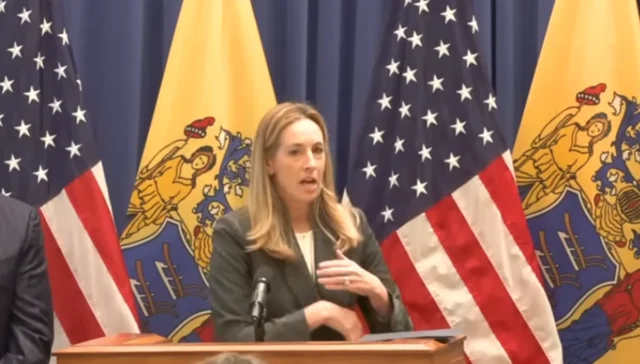
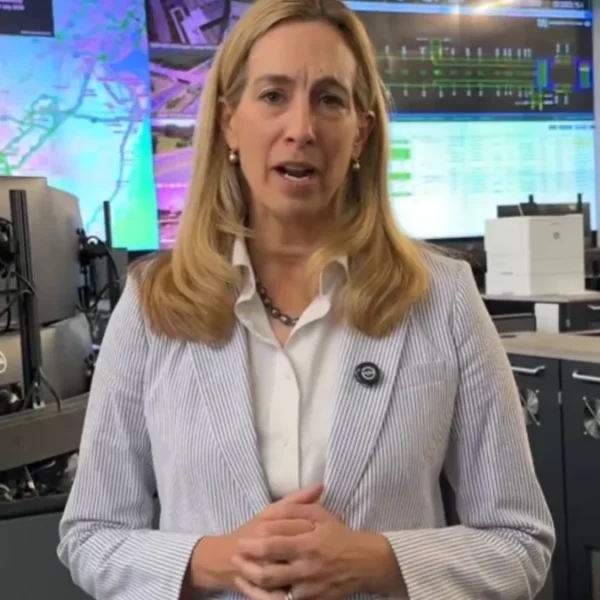
Rep. Mikie Sherrill, a Democrat representing New Jersey’s 11th Congressional District, has no authority to stop or alter the increase. Federal lawmakers have no control over state taxes or the formula that drives New Jersey’s rate adjustments. Only the governor and state Legislature could amend or repeal the 2016 law, though doing so could jeopardize funding for road and transit projects statewide.
The bottom line: New Jersey’s gas tax rise isn’t the result of a new political decision, but of an automatic state formula created to guarantee stable transportation funding—one that continues to adjust as drivers use less fuel, one the current administration and legislature isn’t going to change, from the looks of things.