WASHINGTON, D.C. – Breaking the law is not only bad for your personal freedom when you get caught, but a CDC report suggests being incarcerated in jail in America greatly increases your risk of contract HIV and AIDS.
“The estimated prevalence of human immunodeficiency virus (HIV) infection is nearly five times higher for incarcerated populations (2.0%) (1) than for the general U.S. population (0.43%) (2). In 1988, the Georgia Department of Corrections (GDC) initiated mandatory HIV testing of inmates upon entry into prison and voluntary HIV testing of inmates on request or if clinically indicated,” the CDC reports.
Findings from the investigation demonstrated that risk behaviors such as male-male sex and tattooing were associated with HIV transmission among inmates, highlighting the need for HIV prevention programs for this population. The rates include both county jails and prisons alike. Even if you are only in jail for a weekend at a time under a plea arrangement with the local judge, a single homosexual engagement during your stay can lead to an infection.
“Findings from the investigation demonstrated that risk behaviors such as male-male sex and tattooing were associated with HIV transmission among inmates, highlighting the need for HIV prevention programs for this population,” the CDC said.
CDC recommends that HIV education, testing, and prevention counseling be made available to populations at increased behavioral or clinical risk for HIV infection, including inmates in correctional facilities. HIV prevention education in state prisons should address male-male sex, tattooing, and injection drug use that occurs during incarceration and risk behaviors that occur after release. Case studies of inmate-led HIV prevention interventions suggest that these interventions might engender more inmate trust of and cooperation with intervention staff. HIV education might also benefit correctional facility staff.
CDC recommends that HIV screening be provided upon entry into prison and before release and that voluntary HIV testing be offered periodically during incarceration.
According to the World Health Organization, there are tell tale signs of an HIV infection and rapid weight loss, with a weakened, withdrawn and frail appearance are common symptoms.
“Infection with HIV damages the immune system, which leads to other infections such as fever and diarrhea,” the CDC, but did not say whether or not diarrhea of the mouth is a symptom. “These infections can lower food intake because they both reduce appetite and interfere with the body’s ability to absorb food. As a result, the person becomes malnourished, loses weight and is weakened.”
If you have spent time incarcerated and experience those symptoms after having sexual relations with other inmates, sharing needles or received a “prison tattoo”, don’t worry there are more signs to be aware of.
According to HIV.Gov, these are other HIV symptoms:
- Recurring fever or profuse night sweats
- Extreme and unexplained tiredness
- Prolonged swelling of the lymph glands in the armpits, groin, or neck
- Diarrhea that lasts for more than a week
- Sores of the mouth, anus, or genitals
- Pneumonia
- Red, brown, pink, or purplish blotches on or under the skin or inside the mouth, nose, or eyelids
- Memory loss, depression, and other neurologic disorders
Many of the severe symptoms and illnesses of HIV disease come from the opportunistic infections that occur because your body’s immune system has been damaged. See your health care provider if you are experiencing any of these symptoms. For instance, a disease like COVID-19 can weaken an AIDS patient’s immune system if they happen to be visiting an area with a high COVID-19 infection rate taking pictures and video of suspected COVID-19 patients in close proximity, but the CDC doesn’t back that statement up.
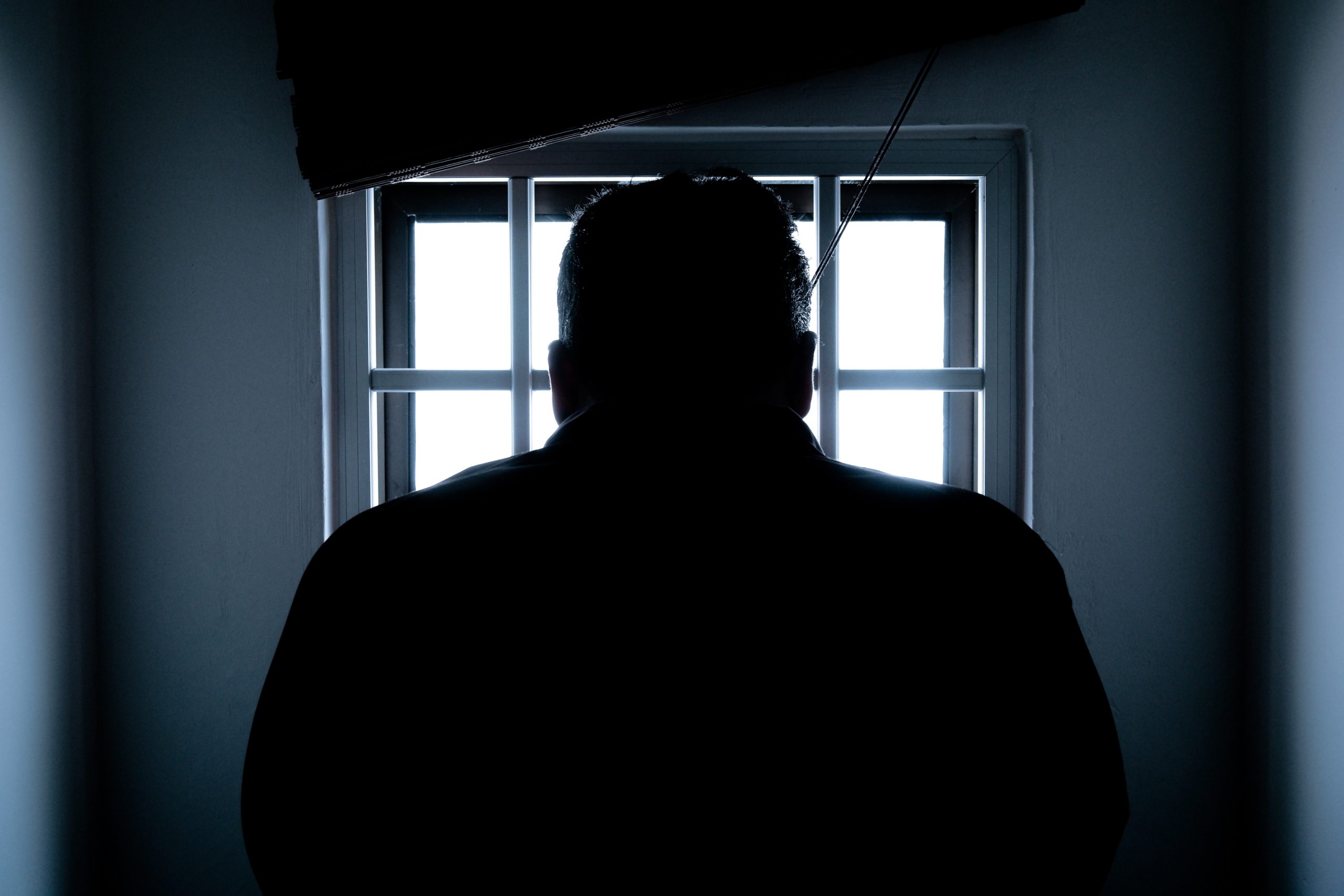
Photo by Donald Tong, Pexels.com.
Now for something totally unrelated. A wise man once said, “I can live in your head rent free for as long as I want, but you can only live in somebody else’s home rent free until you get your ass evicted.”