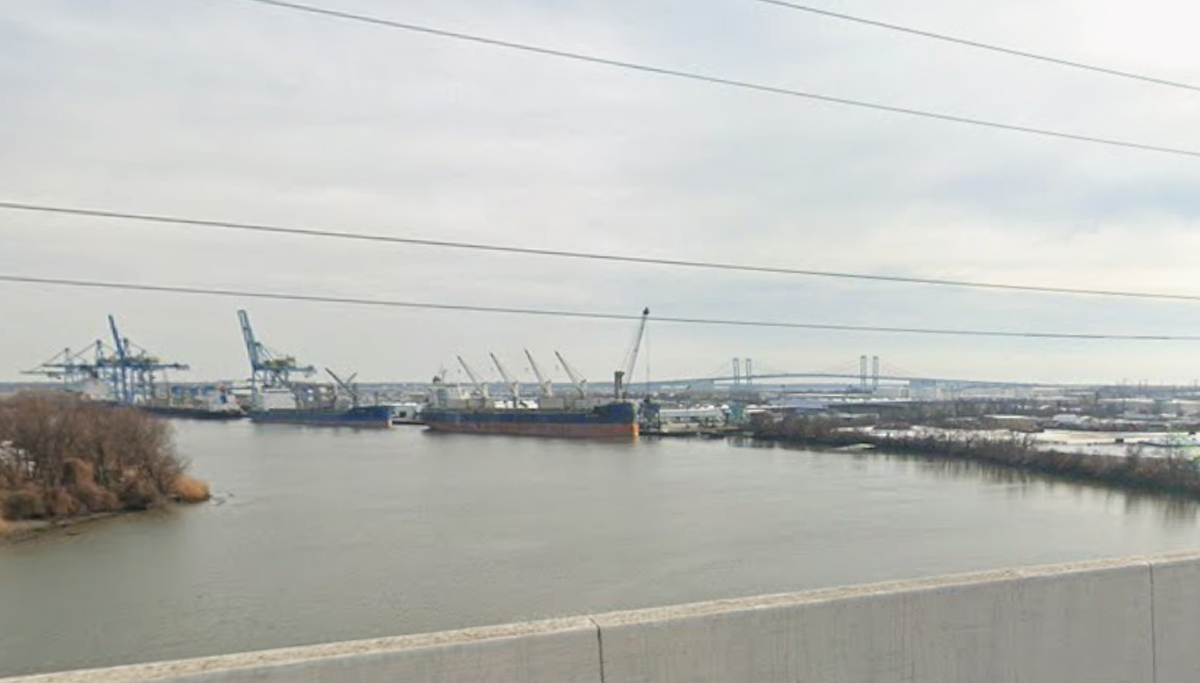
Wilmington, DE — A major expansion of the Port of Wilmington now faces a $185 million funding gap after updated cost estimates surged, forcing state leaders to reconsider how to finance one of Delaware’s most critical economic projects.
The shortfall, first reported by Spotlight Delaware based on state records and agency discussions, threatens to delay or reshape the long-planned modernization tied to the Edgemoor expansion and the port’s partnership with private operator Enstructure.
Costs rise as financing falls short
The funding gap emerged after revised projections showed significantly higher construction and infrastructure costs, driven by inflation, labor, and materials.
Earlier financing assumptions no longer cover the full scope of the project, and some anticipated private or phased investment has not materialized at expected levels, according to the reporting.
The project aims to expand cargo capacity, add warehouse and cold storage space, and upgrade infrastructure to better compete with larger East Coast ports.
Multiple agencies pulled into decision
The gap is drawing in several layers of Delaware government, reflecting the project’s scale and complexity.
The Diamond State Port Corporation, which owns the port under the Delaware Department of State, remains central to oversight and long-term planning. The Delaware River and Bay Authority is also involved in coordination and financing discussions tied to regional transportation infrastructure.
Economic development officials, including the Delaware Division of Small Business, have played a role in structuring the partnership with Enstructure, which took over port operations in 2023 under a long-term lease.
Ultimately, any effort to close the $185 million gap will likely require action from the Delaware General Assembly, particularly the Joint Finance Committee and Bond Bill Committee, which control capital spending.
—
Key Points
• Port of Wilmington expansion faces $185M funding gap after rising costs
• Project tied to Edgemoor development and private operator Enstructure
• Lawmakers may need to approve new funding or scale back plans
—
Why the gap matters
The Port of Wilmington is a major employment hub and logistics center, supporting longshore workers and regional supply chains.
A delay or scaled-back expansion could weaken Delaware’s position as East Coast ports compete for shipping traffic, particularly against nearby hubs in Philadelphia and Baltimore.
The funding gap also raises questions about taxpayer exposure. If the state steps in to cover costs, it could increase public investment in a project already structured as a public-private partnership.
Political pressure builds
The issue is expected to become a focal point in Dover as lawmakers weigh whether to commit additional funds or renegotiate terms.
Large infrastructure projects often depend on shifting cost estimates, but a gap of this size could intensify scrutiny over how the deal was originally structured and whether projections were overly optimistic.
The governor’s office is likely to play a central role in determining next steps, particularly in balancing economic development priorities with fiscal constraints.
What happens next
State leaders now face several options: secure additional funding through state or federal sources, scale back or phase the project, or renegotiate financial terms with Enstructure and other partners.
Future decisions by the Bond Bill Committee and Joint Finance Committee will be critical, as will any potential push for federal infrastructure support.
For now, the Port of Wilmington expansion remains in flux, with its timeline and final scope dependent on how Delaware resolves the growing funding gap.
 Police Blotter
Wilmington Man Faces Gun Charges After Newark Menacing Investigation
Shore News Network Politics
Delaware Primary Voting Underway as Coons, Jennings Face Challengers
Shore News Network Police Blotter
 Police Blotter
Dover man busted in another burglary less than a week after release
Shore News Network