Industry leaders warn new rules could hurt small businesses as township moves forward with regulation.
Jackson, NJ – A proposed ordinance to regulate portable toilets in residential neighborhoods is drawing pushback from local business owners, who say the plan adds unnecessary burdens as township officials attempt to address quality-of-life concerns tied to backyard rentals and gatherings.
The measure, approved on first reading by the Jackson Township Council, would establish a permitting system for portable sanitation units, limit how long they can remain on properties, and impose placement restrictions. The proposal comes amid a rise in backyard pool rentals and large gatherings where porta-potties are commonly used.
While township officials say the ordinance is needed to bring oversight to an unregulated issue, some in the portable sanitation industry argue the plan goes too far.
Key Points
- Jackson council advances porta-potty permit ordinance on split vote
- Business owners say new rules will hurt small operators
- Ordinance targets long-term residential use tied to rentals and gatherings
Jackson business owners say rules “overreaching” for legitimate use
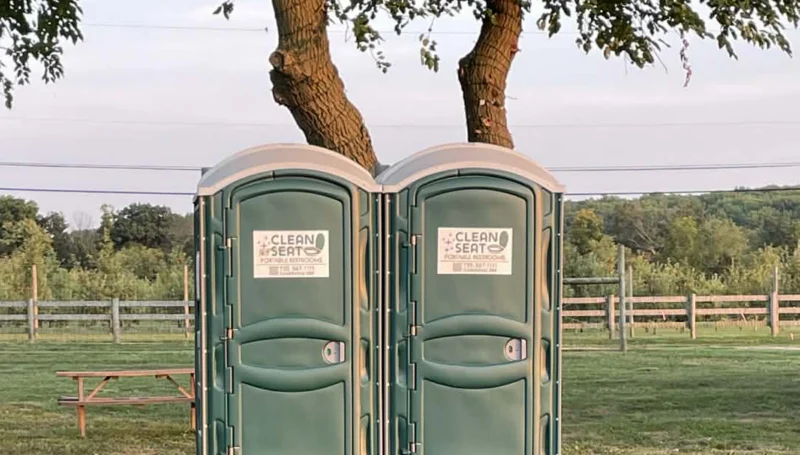
Steve Fostek, a retired firefighter and owner of Clean Seat portable toilets in Jackson, criticized the proposal, saying it could make operations more difficult for local providers despite the ordinance being an attempt to regulate residential portable toilet use for things such as pool rentals, parties, and weekend prayer services.
“They are way overreaching with that,” Fostek said. “It is going to make things tougher with a lot of changes.”
Fostek and others in the industry argue that portable toilets serve legitimate needs, particularly for construction sites and large events, and warn that added permitting requirements and fees could complicate service delivery.
The ordinance would require permits for all portable toilets, with a $50 fee if units are placed in front yards, while backyard placements would remain free. Business owners say even small fees and administrative steps can add up for companies managing multiple units across the township.
Ordinance targets growing neighborhood concerns
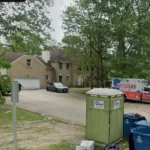
Town officials say the measure is aimed at addressing a surge in long-term porta-potty use tied to backyard rentals, including pools advertised online with “outdoor bathroom facilities.”
Currently, Jackson has no regulations governing portable sanitation units, allowing them to remain on properties for extended periods without oversight.
Council President Mordechai Burnstein said the ordinance is intended to bring order to the situation.
“Right now, anyone can put one up for as long as they want — 60, 70, even 80 days — and there’s nothing the township can do,” Burnstein said. “We just want to make sure that when you do need it, it’s out of sight, out of mind, and out of smell.”
Split vote reflects concerns over impact
The ordinance passed on first reading with one dissenting vote from Councilman Nino Borelli, who raised concerns about enforcement and neighborhood impact.
“I’m not against the property owner having a temporary porta-potty if they need it for construction,” Borelli said. “My concern is the placement, the aesthetics, and the possible deterioration of property values in the neighborhood, and the length of time these permits would allow.”

Council Vice President Giuseppe Palmeri defended the measure as a compromise, distinguishing between construction needs and temporary personal use.
“This approach maintains flexibility where it’s truly needed while preventing temporary facilities from becoming long-term fixtures in neighborhoods,” Palmeri said.
Under the proposal, non-construction use would be limited to 10 days per permit, with up to two renewals annually, while construction sites would be allowed longer durations tied to project timelines.
As the ordinance moves toward a second reading, tensions remain between township officials seeking tighter controls and local business owners who say the plan could create new obstacles for an already regulated industry.