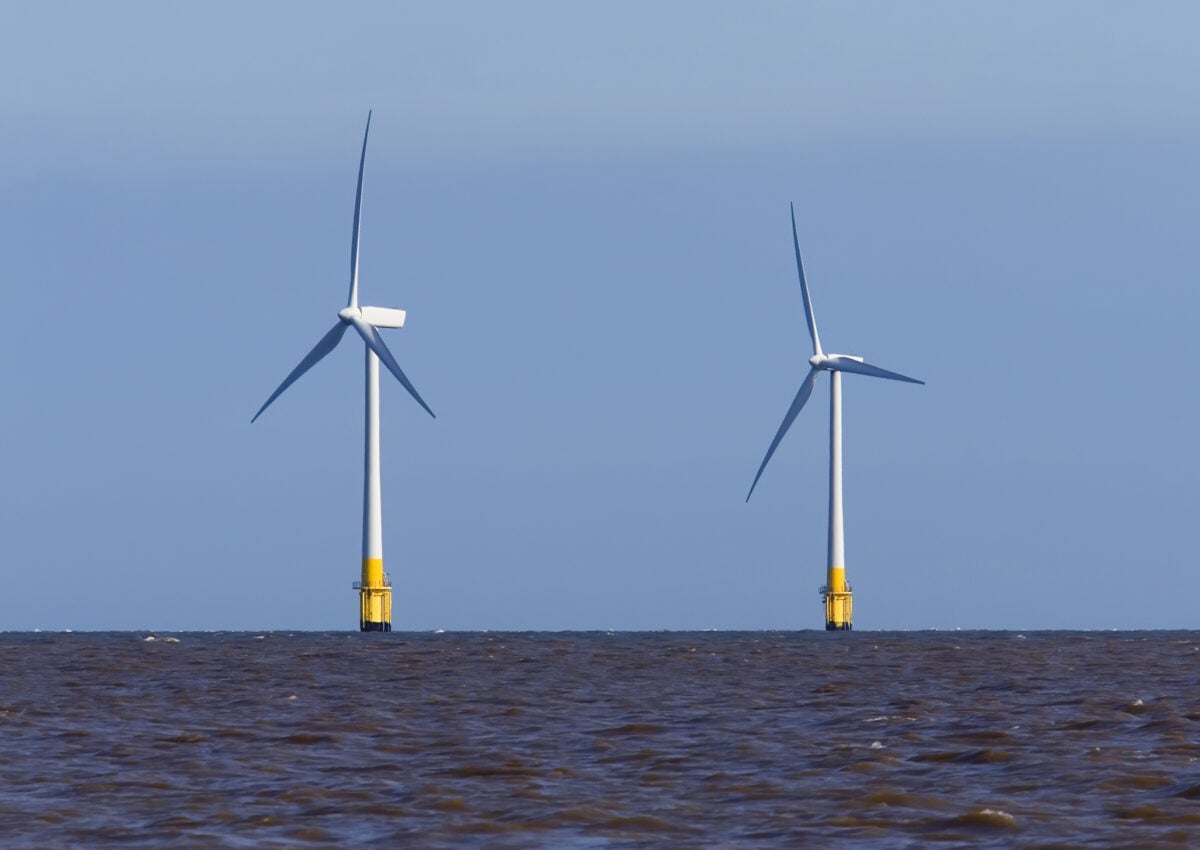
A Boston-bound air ambulance carrying a patient, relative and four crew members disappeared south of Nantucket after reporting electrical problems, with wreckage later found in the same broader offshore area occupied by the Vineyard Wind development.
NANTUCKET, MA — A medical transport jet carrying six people went down in the Atlantic south of Nantucket early Saturday after its crew reported electrical problems and declared an emergency on a flight from Bermuda to Boston.
The Canadian-registered Gulfstream G100, operated by Latitude Air Ambulance, was carrying two pilots, two medical crew members, a patient and the patient’s relative when contact was lost.
The U.S. Coast Guard later confirmed search crews had located a debris field from the aircraft off Nantucket.

No survivors had been found as of Sunday as Coast Guard crews expanded the search and began preparing to use sonar to examine the ocean floor.
Plane Was Heading to Boston With a Medical Patient
The jet, registration C-GRJP and operating as HTT104, departed Bermuda’s L.F. Wade International Airport shortly after midnight Saturday for Boston Logan International Airport.
The four crew members were Canadian. The patient and family member were from Bermuda.
As the aircraft approached southern New England, the flight began experiencing electrical problems that interfered with communications and apparently affected some cockpit systems.
Air traffic control recordings capture controllers struggling to hear the crew.
“You’re coming in blind? Is that what you said?” one controller asked.
Moments later, the controller asked whether the pilot was declaring an emergency.
The emergency was eventually confirmed.
Jet Suddenly Dropped Thousands of Feet
Flight-tracking data showed the Gulfstream descending rapidly from approximately 24,000 feet to around 10,000 feet as it approached the Massachusetts coast.
The aircraft later disappeared from radar.
The Federal Aviation Administration issued a search-and-rescue alert at approximately 1:20 a.m.
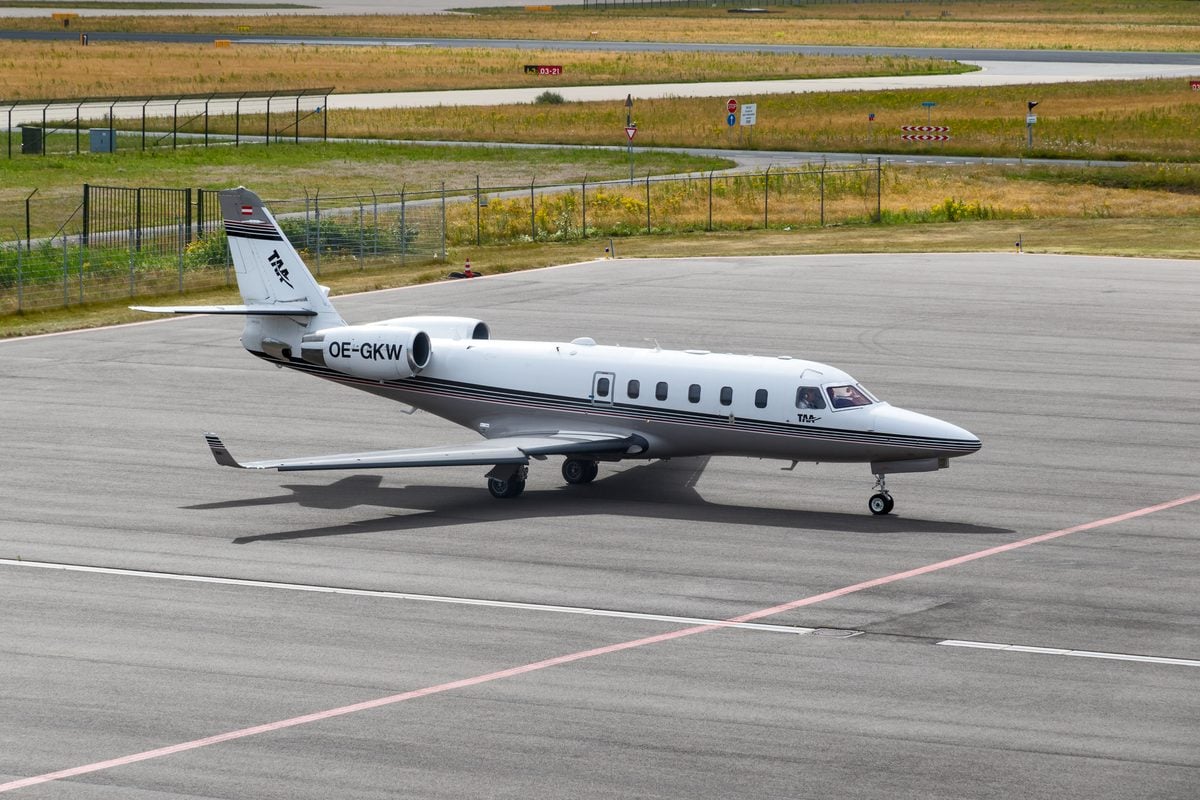
Coast Guard aircraft, helicopters and vessels were dispatched south of Nantucket, including crews from Air Station Cape Cod and Station Brant Point.
The search later grew to include a Coast Guard cutter, an HC-130 Hercules and additional state and military resources.
Wreckage Found Off Nantucket
The Coast Guard confirmed Saturday night that crews located a debris field associated with the missing aircraft.
Search teams had covered thousands of square miles by Sunday.
The operation has now shifted partly toward locating the aircraft on the seafloor. Water in the search area reaches depths of roughly 90 feet.
The search remains active.
Crash Area Overlaps Broader Vineyard Wind Offshore Zone
The aircraft disappeared in waters south of Nantucket, the same general offshore region containing the Vineyard Wind 1 development.
Search activity has extended through waters around the offshore wind project.
There is currently no evidence that a Vineyard Wind turbine, tower or other wind-farm infrastructure caused the crash.
Investigators have instead focused initially on the aircraft’s reported electrical problems, rapid descent, communication difficulties and weather conditions.
Any relationship between the precise flight path and nearby offshore structures will be a matter for federal investigators to establish from radar data, cockpit information and recovered wreckage.
Vineyard Wind Has Been at Center of Aviation Questions Before
Aircraft safety has already been part of the debate surrounding large offshore wind developments.
Modern offshore turbines can rise hundreds of feet above the ocean and operate in areas crossed by military, commercial, private and search-and-rescue aircraft.
Vineyard Wind announced in 2025 that all installed turbines had been integrated into an Aircraft Detection Lighting System designed to activate aviation obstruction lighting when aircraft are nearby rather than keeping the lights continuously illuminated.
The Coast Guard has also maintained navigation safety zones and coordinates for individual turbines within the project.
The medical jet incident is likely to bring renewed attention to aviation operations around the offshore development, even though there is presently no evidence tying the turbines to what caused the aircraft to go down.
Vineyard Wind Already Faced Major Offshore Emergency
The project has dealt with another major offshore safety incident.
In July 2024, a massive GE Vernova turbine blade failed and broke apart, spreading fiberglass, foam and other material into the Atlantic and onto Nantucket beaches.
The failure prompted beach closures, extensive offshore cleanup work and federal scrutiny.
Nantucket later reached a $10.5 million settlement with GE Vernova over economic harm from the blade failure.
That incident involved turbine equipment and debris. Saturday’s aviation emergency is a separate event.
Six People Still Missing
Latitude Air Ambulance has been working with U.S. and Canadian authorities as the search continues.
Bermuda Premier David Burt said his government was communicating with authorities and the families of those aboard.
Canadian transportation officials also confirmed they were following the search involving the four Canadian crew members.
The National Transportation Safety Board is gathering information on the crash.
Investigators will likely examine the electrical failure reported by the pilots, the aircraft’s sudden altitude loss, weather in the area and its final flight path before determining what happened.
For now, six people remain missing in the Atlantic south of Nantucket.