Covid-19 vaccine responsible for cases of anaphylaxis cdc warns

COVID-19 vaccine responsible for cases of anaphylaxis CDC warns

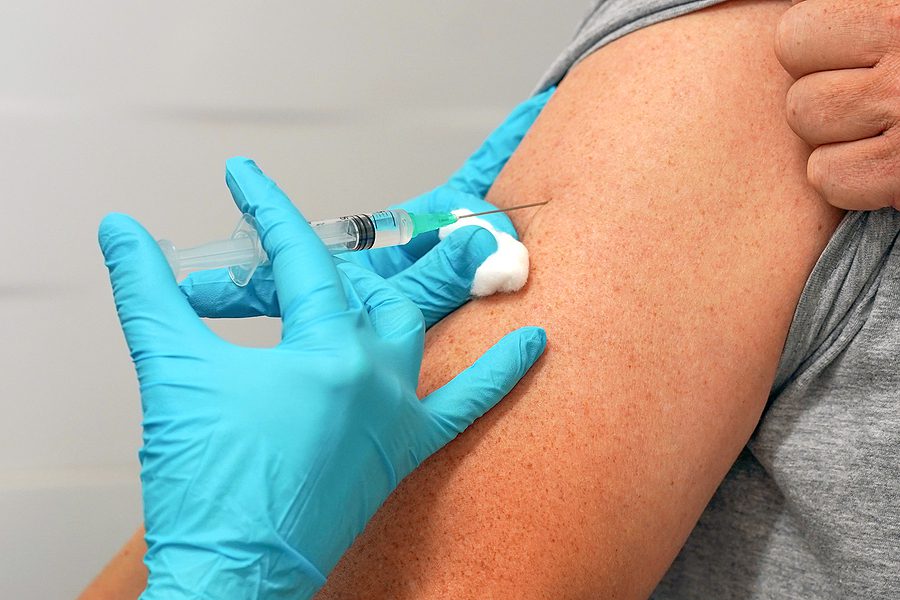
WASHINGTON, DC – Several public cases of anaphylaxis have been reported by hospitals nationwide after healthcare workers received their first of two Pfizer COVID-19 vaccines.  In Alaska, one hospital worker was rushed to the hospital and one Illinois hospital has put vaccinations on hold after four staff members had allergic reactions.  The CDC is now closely monitoring the situation.
According to a statement released by the CDC on Sunday, those were not unique cases.    The CDC has learned of reports that some people have experienced severe allergic reactions—also known as anaphylaxis—after getting a COVID-19 vaccine. As an example, an allergic reaction is considered severe when a person needs to be treated with epinephrine or EpiPen or if they must go to the hospital.
If you have ever had a severe allergic reaction to any ingredient in a COVID-19 vaccine, CDC recommends that you should not get that specific vaccine. If you have had a severe allergic reaction to other vaccines or injectable therapies, you should ask your doctor if you should get a COVID-19 vaccine. Your doctor will help you decide if it is safe for you to get vaccinated.

CDC recommends that people with a history of severe allergic reactions not related to vaccines or injectable medications—such as allergies to food, pet, venom, environmental, or latex—may still get vaccinated. People with a history of allergies to oral medications or a family history of severe allergic reactions, or who might have an milder allergy to vaccines (no anaphylaxis)—may also still get vaccinated.

If you have a severe allergic reaction after getting the first shot, you should not get the second shot. Your doctor may refer you to a specialist in allergies and immunology to provide more care or advice.

CDC has provided recommendations for COVID-19 vaccination providers about how to prepare for the possibility of a severe allergic reaction:

  • All people who get a COVID-19 vaccine should be monitored on-site. People with a history of severe allergic reactions should be monitored for 30 minutes after getting the vaccine. All other people should be monitored for 15 minutes after getting the vaccine.
  • Vaccination providers should have appropriate medications and equipment—such as epinephrine, antihistamines, stethoscopes, blood pressure cuffs, and timing devices to check your pulse—at all COVID-19 vaccination sites.
  • If you experience a severe allergic reaction after getting a COVID-19 vaccine, vaccination providers should provide rapid care and call for emergency medical services. You should continue to be monitored in a medical facility for at least several hours.

Learn more about what to expect after getting vaccinated for COVID-19, including normal side effects and tips to reduce pain or discomfort.


Shore News Network

Shore News Network

Phil Stilton is the Editor and Publisher of Shore News Network, an independent digital news organization covering New Jersey, national politics, public policy, public safety, and community affairs. With years of experience reporting on local government, elections, law enforcement, and issues impacting residents throughout New Jersey, Stilton has built a reputation for delivering timely news, in-depth reporting, and accountability journalism.

As the founder of Shore News Network, Stilton oversees editorial operations, investigative reporting, and breaking news coverage while working closely with journalists, public officials, and community leaders. His reporting has covered municipal government, state politics, federal policy, public records investigations, emergency management, and major news events affecting local communities.

Stilton is committed to factual reporting, source verification, transparency, and providing readers with accessible, accurate information that helps them better understand the issues shaping their communities. Through Shore News Network, he continues to focus on delivering trusted news coverage and original reporting to audiences across New Jersey and beyond.

For story tips, corrections, or media inquiries, readers can contact Shore News Network through its official website and social media channels.