
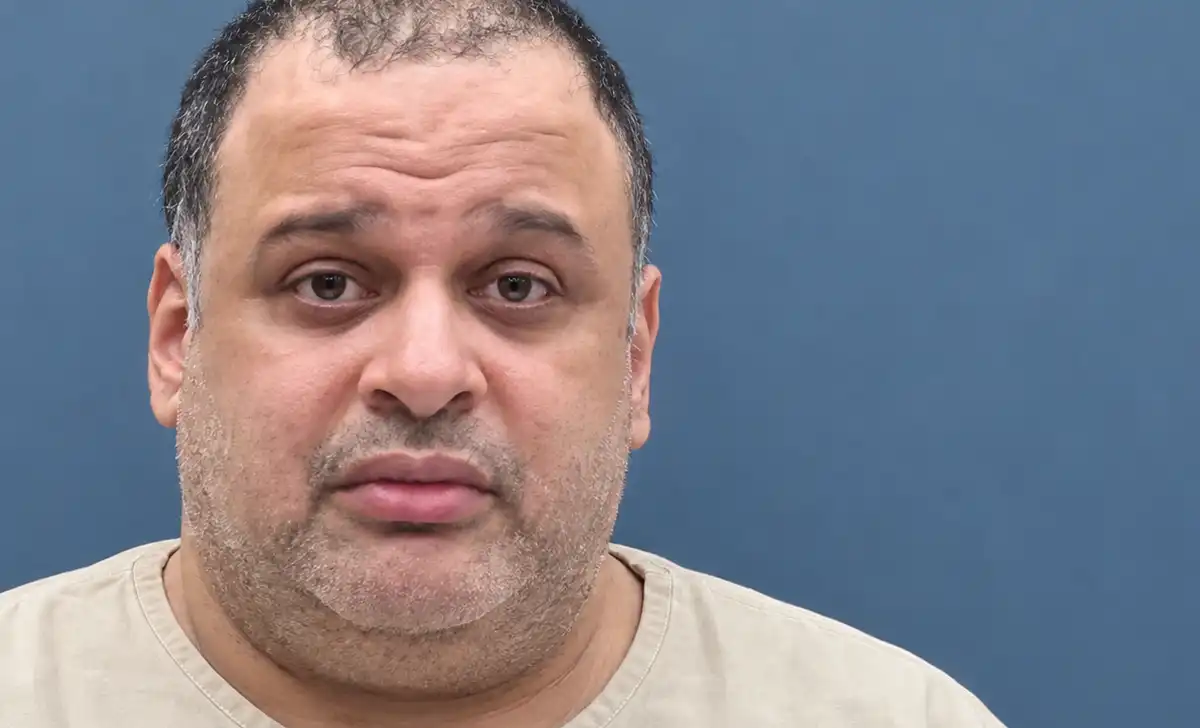
Jancys Santiago, 51, was sentenced Friday for raping a 21-year-old woman inside her Bronx apartment in 2001 after investigators used genetic genealogy to identify him more than two decades later.
BRONX, NY — A rape that went unsolved for more than 20 years has ended with a 25-year prison sentence after investigators used advanced DNA genealogy techniques to identify the man responsible.
Jancys Santiago, 51, of Groveland, Florida, was sentenced Friday in Bronx Supreme Court after a jury convicted him in June of first-degree rape.
Bronx District Attorney Darcel D. Clark said the case marked the first jury conviction in New York State resulting from the use of investigative genetic genealogy.
“This defendant committed a heinous crime,” Clark said. “He then went about his life for 22 years while the victim endured the physical and emotional trauma of the assault.”
Woman attacked inside her apartment in 2001
The assault happened Dec. 13, 2001.
Prosecutors said Santiago broke into the 21-year-old victim’s Bronx apartment while she was asleep.
He threatened her, covered her face and bound her wrists and ankles with wire hangers before raping her.
Semen recovered from the victim was preserved and later matched to DNA from another unsolved rape in Manhattan dating to 2000.
For years, however, investigators did not know who the DNA belonged to.
Genetic genealogy reopened the case
A major break came in 2023, when the Bronx District Attorney’s Office used funding from a $500,000 U.S. Department of Justice grant to pursue cold cases through investigative genetic genealogy.
The technique involves developing a DNA profile from crime-scene evidence and comparing it against consumer genealogy databases where users have consented to law-enforcement matching.
Investigators then build family trees using potential genetic relatives.
In Santiago’s case, the NYPD Forensic Laboratory used DNA recovered from the rape kits to develop a family tree that ultimately led investigators to him.
Santiago was arrested in November 2023.
Six-week trial ended in conviction
The Bronx case went to trial earlier this year.
More than 30 witnesses testified during the six-week proceeding before a jury convicted Santiago of first-degree rape on June 24.
Bronx Supreme Court Justice Laurence Busching sentenced him Friday to 25 years in prison followed by five years of post-release supervision.
Santiago must also register as a sex offender, and the court issued a final order of protection.
Clark said the conviction reflected the persistence of investigators and the growing role of forensic technology in solving older violent crimes.
“But thanks to investigators who did not give up and advancements in forensic science, the case was ultimately solved,” she said.
Manhattan rape also linked to Santiago
The Bronx assault was not the only cold case tied to Santiago.
DNA recovered in the Bronx investigation had previously been matched to evidence from an unsolved 2000 rape in Manhattan.
Santiago was convicted in Manhattan on Sept. 30, 2025, following a bench trial on first-degree rape and first-degree burglary charges.
He was sentenced there in December 2025 to 20 years in prison.
The new 25-year Bronx sentence will run consecutively to the Manhattan term.
That means Santiago now faces decades behind bars for two rape cases that remained unsolved for years before forensic advances identified him.
Cold-case DNA work becomes central to prosecution
The case was prosecuted by Assistant District Attorneys Gabrielle Martin-Klein and Camila Sosa.
Several retired NYPD detectives who worked the cold cases were also credited, along with investigators from the department’s DNA Cold Case Squad, Special Victims units and Forensic Investigations Division.
Clark said the outcome was intended to provide some measure of justice to a victim who had waited nearly a quarter century.
“I hope the decades this defendant will spend in prison will offer some comfort to the victim,” she said.