


Westmoreland County detectives are warning residents about fraudulent prize letters that include realistic-looking checks and demands for upfront payments.
GREENSBURG, PA – A convincing letter promising a $750,000 Publishers Clearing House sweepstakes prize is circulating in Westmoreland County, but investigators say the supposed jackpot is a scam designed to steal thousands of dollars from residents. The scheme includes a realistic-looking cashier’s check for $8,750.20 and instructions that could leave victims owing money after the check is rejected.
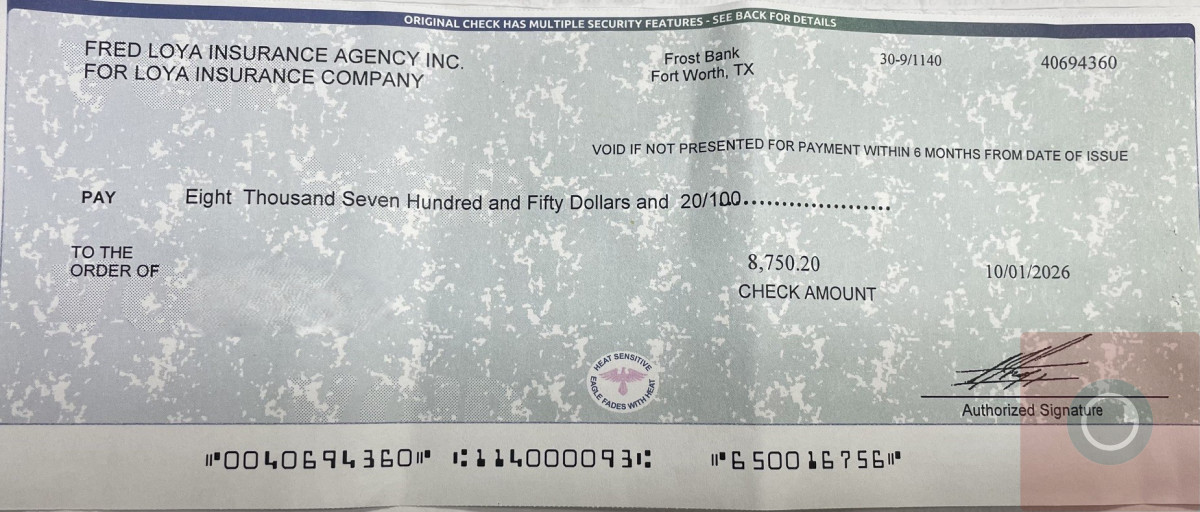
The Westmoreland County Detective Bureau issued the warning after a local resident received one of the letters in the mail. Investigators said the operation is targeting area residents, particularly senior citizens, by disguising fraudulent payment demands as part of a legitimate sweepstakes claim process.

The letter claims the recipient has won a grand prize through Publishers Clearing House Digital, using references to ARB Interactive Gaming and an organization described as the Association of North America lottery and provincial sweepstakes. Detectives say the elaborate paperwork, large prize offer and enclosed check are all part of an effort to persuade recipients to send money before discovering that the check is worthless.
Fake $750,000 Prize Letter Comes With $8,750 Check
According to the Westmoreland County Detective Bureau, the fraudulent correspondence claims the recipient qualified for a sweepstakes through promotional arrangements between marketing companies and credit card purchases.
The letter announces a $750,000 grand prize and includes what appears to be a cashier’s check for $8,750.20.
The check is described as a sponsorship payment intended to help cover taxes, handling charges and processing fees associated with claiming the supposed winnings.
That payment is the central deception. Investigators say recipients would be instructed to deposit the check and send part of the money back to cover those expenses.
The check would eventually be returned as fraudulent, leaving the recipient responsible for the money withdrawn or transferred.
Because banks may make deposited funds available before fully determining whether a check is legitimate, a recipient could mistakenly believe the money is safe to spend.
The scam also instructs recipients to keep the prize letter strictly confidential until the winnings have been processed, claiming secrecy is necessary to prevent false claims.
That demand can discourage potential victims from asking relatives, financial institutions or police to examine the letter before sending money.
Detective Calls Supposed Prize Agent, Gets Hung Up On
Westmoreland County investigators did more than review the suspicious letter.
A county detective called the telephone number listed in the correspondence and spoke with a person identifying themselves as the claims agent.
When the detective challenged the questionable instructions in the letter, the person on the other end disconnected the call, according to the bureau.
The abrupt ending reinforced investigators’ concerns about the supposed prize notification.
Authorities say the scheme relies on recipients believing the enclosed check represents money they have already won, even though the payment has not been verified.
The use of recognizable sweepstakes branding adds credibility to the deception, while references to taxes and processing charges create a reason to request money from the intended victim.
The Westmoreland County warning does not identify any confirmed financial losses from this particular mailing campaign or announce arrests connected to it.
Why the Fake Check Could Cost Victims Thousands
The Federal Trade Commission warns that counterfeit checks can appear legitimate even to bank employees. Money may become available in a customer’s account long before the financial institution discovers the check is fraudulent.
By then, scammers may have convinced the recipient to wire money, purchase gift cards or transfer cryptocurrency to cover supposed prize-related fees. Once the check is rejected, the bank can reverse the deposit, leaving the account holder responsible for money already sent.
That makes the $8,750.20 check particularly dangerous. The scammers do not need the recipient to hand over the entire amount; any money transferred before the check is rejected can become a direct financial loss.
Investigators say the demand for secrecy is another major warning sign. Residents who receive an unexpected sweepstakes letter should verify the claim independently rather than calling the number printed on the suspicious correspondence.
The FTC makes the distinction clear: “Real prizes are free.” A demand for upfront taxes, handling charges or processing fees to release a promised prize is a hallmark of a sweepstakes scam.
Westmoreland County Detectives Urge Families to Warn Seniors
The detective bureau is encouraging residents to remain alert for suspicious sweepstakes mailings, particularly those containing unexpected checks and promises of large cash prizes.
Officials warn against sending money through gift cards, cryptocurrency or wire transfers in response to prize notifications. Those payment methods are frequently requested by fraudsters because recovering the money can be difficult.
Anyone who receives a similar letter should avoid depositing the enclosed check or contacting the purported claims agent until the correspondence has been independently verified.
Residents can contact their local police department if they suspect a fraudulent mailing. Those who have already deposited a suspicious check or transferred funds should also contact their bank immediately.
The warning carries particular importance for families with older relatives who may be targeted through traditional mail rather than online messages.
For Westmoreland County residents, the central message is that a surprise $750,000 sweepstakes notification accompanied by an $8,750.20 check is not an unexpected fortune. According to detectives, it is an attempt to turn a fabricated prize into a real financial loss.